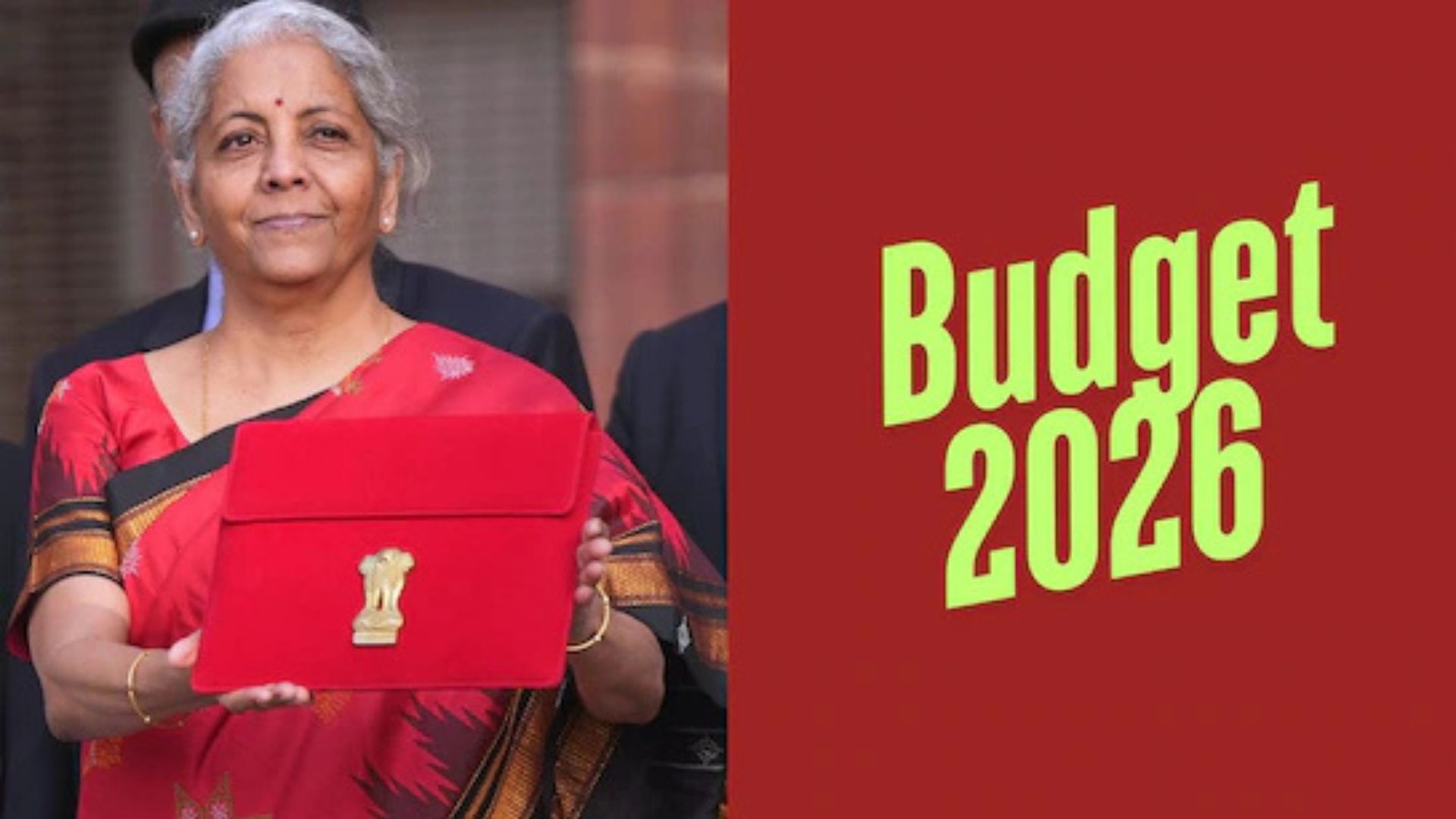
The Union Budget 2026 has delivered a strong focus on the healthcare sector, with targeted
measures to enhance affordability, boost domestic biopharmaceutical capabilities, and improve
access to treatments for non-communicable diseases (NCDs) like cancer. Key highlights include
the exemption of basic customs duty on 17 essential cancer drugs and the launch of the
Biopharma Shakti initiative with a ₹10,000 crore allocation over five years to strengthen India’s
biopharma ecosystem.
These announcements have drawn positive reactions from healthcare experts, oncologists,
hospital leaders, and industry stakeholders, who view them as patient-centric steps toward
reducing financial burdens and positioning India as a global biopharma hub.
Relief for Cancer Patients Through Customs Duty Exemption
The exemption of basic customs duty on 17 essential cancer drugs—many of which are
imported and used for rare or advanced cancers—aims to significantly lower treatment costs.
This move also extends duty-free personal imports for medicines related to seven additional
rare diseases.
Dr. Mandeep Singh Malhotra, Director – Surgical Oncology at CK Birla Hospital, Delhi,
welcomed the announcement as much-needed relief:
“This announcement brings much-needed relief to cancer patients and their families, particularly
those undergoing treatment for rare and advanced cancers where access to specialised
medicines is often limited by high costs. The exemption of basic customs duty on 17 essential
cancer drugs, along with the inclusion of seven additional rare diseases under duty-free
personal imports, will significantly reduce the financial burden on patients who already face
prolonged and intensive treatment journeys. By improving affordability and easing access to
life-saving therapies that are not manufactured domestically, this move can help ensure timely
treatment and better clinical outcomes. Such patient-centric policy interventions demonstrate a
strong commitment to making cancer care more equitable and accessible and will have a
meaningful impact on both survival and quality of life for patients across the country.”
Dr. Manisha Arora, Director – Internal Medicine at CK Birla Hospital, Delhi, linked the duty
exemption to broader affordability gains:
“Greater competition in biosimilar manufacturing can reduce treatment costs and expand access
to therapies for chronic conditions like cancer, diabetes, and autoimmune diseases, making this
initiative a potential gamechanger for public health.”
₹10,000 Crore Biopharma Shakti: A Boost for Domestic Production and
NCD Management
The Biopharma Shakti programme, with its ₹10,000 crore outlay over five years, focuses on
domestic production of biologics and biosimilars, regulatory upgrades, infrastructure
development, the creation of 1,000 clinical trial sites, and strengthening the CDSCO to global
standards. This is expected to address India’s rising NCD burden by making complex therapies
more affordable and reducing import dependence.
Dr. Manisha Arora highlighted its transformative potential:
“The Finance Minister’s proposal of Biopharma Shakti… is a major step toward strengthening
India’s biopharma ecosystem. By focusing on domestic production, regulatory upgrades, and
infrastructure development, it can improve healthcare affordability and position India as a global
biopharma hub. A key impact will be the expansion of biosimilars, cost-effective alternatives to
complex biologic medicines such as insulin and monoclonal antibodies.”
Dr. Saurabh Arora, Managing Director, Auriga Research, emphasized the strategic vision:
“Budget 2026 reflects a clear and deliberate push to strengthen India’s manufacturing and
research ecosystem, particularly in biopharma. The Biopharma Shakti initiative… is a significant
boost for a sector driven by high value, high skill and high technology products. The creation of
1,000 clinical trial sites and the move to strengthen CDSCO to global standards demonstrate a
deep understanding of what it takes to build a globally competitive biopharmaceutical industry…
Overall, the budget sets a strong foundation, with execution now becoming the key
differentiator.”
Arun Ramamurthy, Co-founder, Staywell.Health, noted the long-term shift toward preventive
and integrated care:
“The Indian Government intends to increase investment in its biopharma sector through various
initiatives such as the Biopharma Shakti fund (which is Rs. 10,000 crore) along with improving
the affordability of medicines used in treating chronic diseases. This investment will serve to
lower healthcare costs over time. Investing more in preventive care, traditional health care
modalities (Ayurveda and Yoga) and increasing the total number of places of care will change
the focus of healthcare from being solely reactively treated to much more integratively-treat/
integrated wellness based over a long time frame – ultimately decreasing stress on the existing
healthcare delivery system/infrastructure and improving health risk outcomes throughout the
overall healthcare insurance delivery system.”
Broader Healthcare Ecosystem Enhancements
The Budget also supports medical value tourism through five regional hubs integrating AYUSH,
diagnostics, and rehabilitation; training for over 1.5 lakh caregivers; upgrades to Ayurveda
institutes; and allied health strengthening.
Pankaj Chandna, Co-Founder, Vaidam Health, said:
“India’s intent is clear: Union Budget 2026 is pushing medical value tourism from a “hospital
visit” into a full-stack, globally benchmarked care experience… Overall, Budget 2026 signals a
shift toward scalable, data-driven, quality-led healthcare delivery, strengthening India’s position
as a trusted global destination for complex treatments and continuity of care.”
Sonam Garg Sharma, Founder, Medical Linkers, added:
“The 2026 Budget’s emphasis on integrated healthcare systems is a timely and strategic push
that strengthens a direction India is already leading in… This also adds meaningful momentum
to India’s medical value tourism story, where outcomes, experience, and continuity of care
matter as much as affordability.”
Ayush Chauhan, Executive Director, Prakash Hospital, summarized the inclusive impact:
“The Union Budget 2026 is a significant step for India’s healthcare and inclusive development.
The ₹10,000‑crore Biopharma Shakti programme will boost domestic production of biologics
and biosimilars, making treatments more affordable, especially for patients with cancer and
diabetes… these initiatives position India as a global hub for biopharma, holistic health, and
inclusive care, enhancing patient outcomes and quality of life nationwide.”
Overall, reactions portray the Budget’s healthcare measures as a balanced blend of immediate
relief for patients (especially cancer care) and long-term strategic investments in self-reliance,
innovation, and equitable access—potentially reshaping India’s role in global healthcare.
Execution and effective implementation will be crucial to realizing these benefits.