Fertility problems in men and women can arise due to conditions like PCOS, endometriosis, thyroid disorders, low ovarian reserve, or low sperm count, often without obvious symptoms. Timely fertility testing helps detect these hidden issues early, allowing couples to take preventive measures or begin treatment before conception becomes difficult
Mumbai : Fertility problems are on the rise among both men and women, and experts are urging couples not to wait for symptoms before seeking reproductive health tests. Early testing can identify underlying conditions and improve the chances of conception, especially for working couples who may be planning families later in life. With fertility challenges increasing, timely awareness, routine screening, and guidance can help couples plan effectively and take control of their reproductive health.
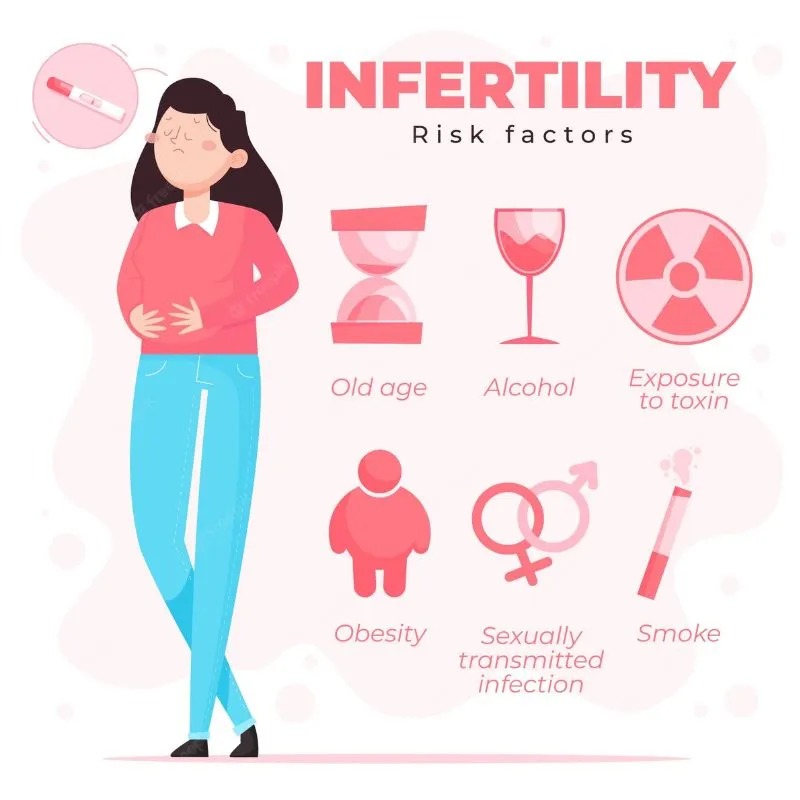
Fertility problems are rampant in men and women. Women may face hidden conditions such as polycystic ovarian syndrome (PCOS), endometriosis, thyroid disorders, or low ovarian reserve, which can affect fertility even before any noticeable symptoms appear. Symptoms of fertility problems in women can include irregular or absent periods, pelvic pain, or hormonal imbalances, though many women may have no noticeable symptoms. Men, too, may have issues such as low sperm count, hormonal imbalances, or poor sperm quality, which can go undetected until conception becomes difficult. Hence, taking timely fertility check-ups is key for everyone.
Dr Upasana Garg, Regional Technical Chief, Apollo Diagnostics Mumbai Said, “Fertility testing should be proactive rather than reactive to detect issues before they affect conception. For women, ovulation tracking checks whether eggs are being released regularly, while hormone level evaluations measure key hormones that regulate the menstrual cycle and fertility. Ovarian reserve assessments with blood tests like AMH, FSH, LH, Prolactin and Thyroid profile help determine the quantity and quality of a woman’s eggs, and uterine health imaging (like ultrasound or hysterosonography) examines the uterus and fallopian tubes for structural problems that could affect pregnancy. For men, semen analysis evaluates sperm count, motility, and shape, while hormone evaluations check testosterone and other reproductive hormones that influence sperm production. These tests in both men and women help identify hidden fertility issues and guide timely interventions for both partners.”
Dr Garg further added, “Many couples only approach after months of trying to conceive, by which time some issues may have progressed. 60% of working couples postpone fertility screening and may experience conceiving challenges. Each month, nearly 6 out of 10 working couples aged 25-37 who visit fertility clinics are found to have delayed fertility screening, putting them at a higher risk of difficulties in conceiving. Among these, about 40% may be facing underlying infertility issues and could benefit from assisted reproductive techniques such as in vitro fertilization (IVF), intracytoplasmic sperm injection (ICSI), or intrauterine insemination (IUI). Early testing provides insights into reproductive health and can guide couples toward the right treatments or preventive measures well before symptoms appear. It is especially important for working couples who may delay family planning due to professional commitments. Simple tests can reveal conditions that might otherwise go unnoticed for years. Identifying these early not only improves the chances of natural conception but can also reduce emotional stress and the need for more complex interventions later. So, take charge of your fertility health, go for regular check-ups, and seek timely intervention.”
Fertility screening should be seen as a routine health check, not something to be done only after problems arise.
Dr Pariskhit Tank, Consultant Gynaecologist and ObstetricianZynova Shalby Hospital Mumbai Said, Many working couples are unaware of the concept of fertility health. 40% of couples may encounter problems that can impact fertility and pregnancy. Many women with conditions like PCOS, thyroid imbalance, endometriosis, or low ovarian reserve have no clear symptoms in the early stages. Working couples often delay testing due to busy schedules, but age and lifestyle factors quietly affect fertility. The tests recommended for couples are hormone tests to check ovarian reserve, ovulation and thyroid balance, ultrasound scans to assess pelvic health, and semen analysis to evaluate sperm count and quality, helping couples to seek timely help. Early screening helps detect the risks on time and allows couples to plan better, whether through lifestyle changes such as a well-balanced diet, exercise, managing stress by doing yoga and meditation, and seeking timely treatment. Couples, remember that timely checks can reduce stress and aid in conception by enhancing the reproductive health of couples.