
Impact, when driven with intention and empathy, has the power to transcend numbers and truly transform lives. At the heart of this change are individuals and organisations that move beyond charity to create systems rooted in dignity, opportunity and long-term empowerment.
In conversation with Dr. Geetanjali Chopra, Founder & President of Wishes and Blessings NGO, we explore what it takes to build impact at scale—from collaborative ecosystems that bring together NGOs, corporates and policymakers, to grassroots initiatives that have touched over a million lives.
Through her insights, this feature delves into the deeper layers of social development—highlighting the role of education as a catalyst for change, the strength of compassion-led leadership, and the importance of shared responsibility in building inclusive communities. It is a perspective that reminds us that true progress is not just measured in reach, but in the dignity restored and futures reimagined.
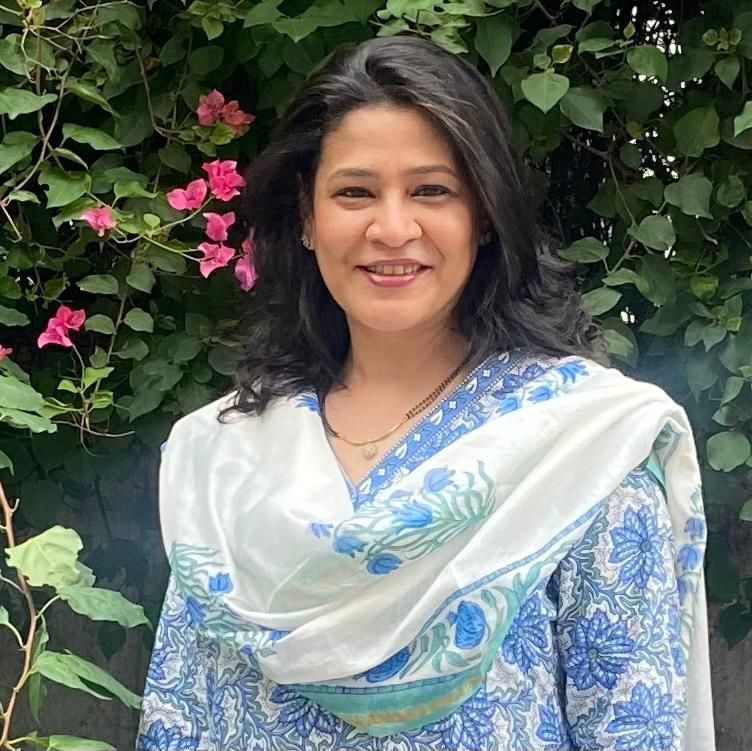
Dr. Geetanjali ChopraFounder & President, Wishes and Blessings NGO
How can NGOs, corporates, and policymakers collaborate more effectively to drive meaningful social impact?
Meaningful social change can only be achieved when NGOs, corporates and policymakers work together as partners rather than in isolation. Each of these stakeholders plays a distinct and equally important role in the development ecosystem.
Policymakers are responsible for creating strong and inclusive frameworks that guide social development. However, policies alone are not enough; their effective implementation and monitoring are equally important to ensure that they are followed in both spirit and practice.
Corporates bring financial resources, operational efficiency and the ability to scale initiatives. NGOs, on the other hand, have deep community connections and a nuanced understanding of ground realities. They are often the bridge between policy intent and the lived experiences of communities.
When these three forces collaborate with trust, transparency and shared accountability, they can create solutions that are not only impactful but also sustainable. True progress emerges when capital, policy and grassroots expertise work in alignment.
Your organisation has impacted over a million lives — what initiatives have created the most transformative change?
At Wishes and Blessings, every initiative is designed to address a critical social need, and each programme contributes to long-term transformation in its own way.
Our Food for All programme has been one of the most impactful initiatives. It not only provides free meals to individuals who are struggling with food insecurity but also operates community kitchens where meals are served at a nominal cost of five rupees. This model ensures that people receive nourishment while preserving their dignity and sense of self-respect.
Our SAHAS Skill Development Programme focuses on empowering women from economically disadvantaged backgrounds by equipping them with practical vocational skills such as stitching and tailoring. These skills enable women to generate income, support their families and move toward financial independence.
Through Maan Ka Tilak, our elderly care initiative, we provide abandoned senior citizens with a safe and nurturing home. For many of them, it becomes a place where they rediscover dignity, companionship and a renewed sense of belonging.
In the area of education, we work with street and underprivileged children by providing learning support and enrolling them into formal schools. Our commitment continues even after enrolment through sponsorships, remedial education and mentorship, ensuring that these children have the opportunity to build a brighter future.
Each of these initiatives addresses a different stage of vulnerability, but together they reflect our larger mission — restoring dignity, creating opportunity and ensuring that no one feels left behind.
In your view, how important is education in shaping long-term social empowerment for underprivileged communities?
Education is one of the most powerful tools for long-term social empowerment. It does more than providing knowledge — it opens doors to opportunity, awareness and self-reliance.
For individuals from underprivileged communities, education helps them understand their rights, recognise their potential and navigate a world that often remains inaccessible to them. It enables them to break cycles of poverty and create better possibilities for themselves and their families.
However, education must go beyond access to classrooms. It should include mentorship, emotional support and the encouragement needed for children to remain engaged in learning despite the challenges they face. When education is combined with sustained guidance and opportunity, it becomes a transformative force capable of changing entire generations.
What role does compassion-driven leadership play in building sustainable social movements?
Compassion-driven leadership is often the foundation on which sustainable social movements are built. While ideas may begin as small sparks, it is leadership that determines whether that spark grows into a meaningful movement.
When leadership is rooted in empathy and genuine concern for people, the work naturally becomes more inclusive, responsible and long-term in its approach. Compassion allows leaders to listen more carefully, understand deeper challenges and respond in ways that respect the dignity of those they aim to support.
At the same time, compassion must be accompanied by discipline, accountability, transparency and strategic thinking. When empathy is combined with structure and consistency, it creates initiatives that are not only impactful but also sustainable. This balance is what allows a vision to evolve into a lasting movement.
How can individuals and businesses contribute more meaningfully to community development?
Many people believe that creating change requires large-scale actions, but meaningful change often begins with small, mindful steps.
Individuals, can start by being more aware of the needs around us. Supporting someone in our immediate environment — whether it is a person on the street, a domestic worker, or a child who needs educational support. Compassion and mindfulness in everyday life are powerful starting points.
Businesses, on the other hand, have structured opportunities to contribute through Corporate Social Responsibility initiatives. When companies partner with credible and experienced NGOs, they are able to channel resources into programmes that already have deep community reach and proven impact.
Unfortunately, we are increasingly seeing a trend where organisations prefer to establish their own internal NGOs rather than collaborate with independent ones that have long-standing grassroots experience. Strengthening partnerships with credible organisations can significantly increase the effectiveness of corporate social investments.
When individuals act with empathy and businesses engage with responsibility, community development becomes a shared effort rather than an isolated initiative.
– Priya Lalwani