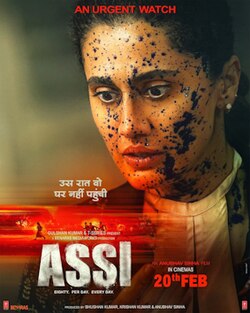
Assi is not just a film; it feels like a slow walk through the narrow lanes of Assi Ghat in Varanasi — layered with politics, poetry, chai debates, and unapologetic desi humor. Rooted deeply in the cultural fabric of Banaras, the film captures the transformation of a locality and its people over time.
Story & Setting
Set around Assi Ghat, the film revolves around everyday conversations of intellectuals, locals, students, and priests who gather at tea stalls and paan shops. Through these seemingly casual addas, the story subtly reflects larger themes — globalization, political shifts, changing values, and the commercialization of faith.
The narrative is inspired by the celebrated Hindi novel Kashi Ka Assi by Kashinath Singh, which gives the film its authentic, earthy base. Instead of a typical dramatic plot, the movie thrives on dialogue-heavy storytelling and social commentary.
Performances
The cast delivers natural and grounded performances. The characters don’t feel “acted” — they feel lived-in. Their Banarasi dialect and comic timing add charm and credibility. The central characters especially bring depth to the film’s exploration of identity and resistance to change.
Direction & Writing
The direction respects the source material, maintaining the novel’s raw humor and political satire. The screenplay focuses heavily on conversations — at times slow, but intentionally so — mirroring the laid-back rhythm of Banaras life.
However, the pacing may not appeal to viewers looking for fast-moving drama. The film demands patience and attention, rewarding those who appreciate layered storytelling.
Cinematography & Music
Visually, the ghats of Varanasi are beautifully captured — from early morning aartis to chaotic evening gatherings. The background score complements the mood without overpowering the narrative.
ANJALI SHARMA


 x03game says:
  http://humanlove.stream//index.php?title=chengould1108 says:
  talentformation.net says:
  https://haugaard-rosenberg-4.blogbright.net says:
  peatix.com says:
  https://a-taxi.com.ua/user/buglecub66/ says:
  http://hikvisiondb.webcam/index.php?title=forresthesselberg5078 says:
  xqr.ai says:
  https://franco-becker.blogbright.net/estanozolol-marca-comercial-winstrol says:
  gratisafhalen.be says:
  a-taxi.com.ua says:
  konfisol.de says:
  http://premiumdesignsinc.com/forums/user/lycraroot30 says: