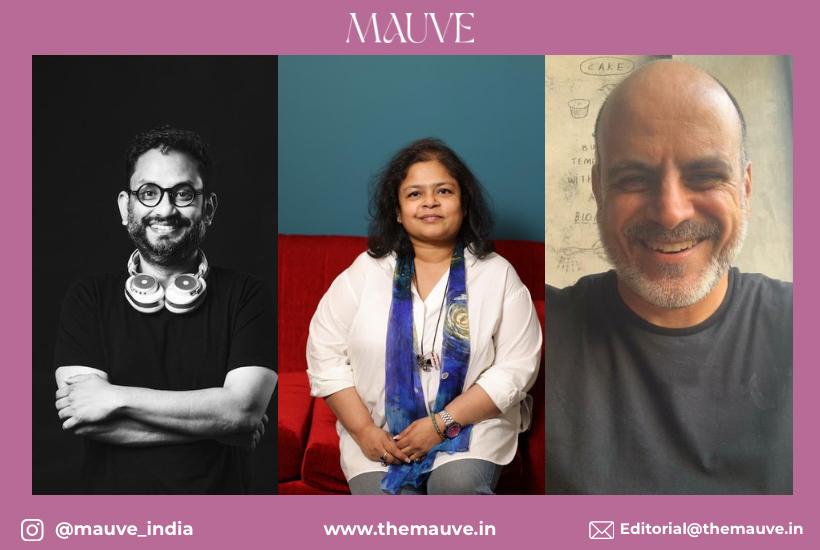

Set against the golden shores of Goa, Goafest 2025 unfolded at the luxurious Taj Cidade de Goa where the ocean breeze met a tidal wave of ideas. As India’s premier festival for advertisers, marketers, and media professionals, Goafest is more than just a calendar event it’s a celebration of bold creativity, disruptive thinking, and the finest work from across India and South Asia. Hosted by the Advertising Agencies Association of India (AAAI) in collaboration with The Advertising Club, the three-day extravaganza delivered everything from inspirational keynotes and sharp-witted panels to glittering award nights and unmatched networking magic.
Speaker: Tejas Apte, Head of Media and Digital Marketing, HUL
Moderator: Shibani Gharat, Anchor & Senior Producer, CNBC-TV18
In a digital age dominated by millions of impressions, clicks, and views, how do brands know they’re getting real value or even reaching real people? At Day 3 of Goafest 2025, Tejas Apte of Hindustan Unilever Limited (HUL) pulled back the curtain on the murky waters of digital advertising, and what it will take to clean up the ecosystem.
The Invisible Leak: 30% of Impressions May Be Fake
Apte kicked off with a stark reality: up to 30% of digital impressions are potentially fake or non-human. Between bot views, ad fraud, and the misuse of consumer data, brands are bleeding both budgets and trust. Unlike legacy media—which balanced ads with subscriptions digital is largely ad-funded, placing even greater responsibility on platforms, publishers, and brands to ensure safety and legitimacy.
The ISA Media Charter: 4 Pillars of Integrity
To address these challenges, Apte spotlighted the Indian Society of Advertisers (ISA) Media Charter, a framework built on four solid pillars:
Safe Placements – Ensuring ads appear in brand-safe environments.
Viewability Standards – Measuring real impressions, not invisible ones.
Fraud Prevention – Tackling bots and deceptive ad practices across formats.
Responsible Data Use – Respecting consumer privacy through proper consent-based first-party data practices.
These aren’t just policies they’re a roadmap toward rebuilding trust in digital advertising.
Co-Creation, Not Dictation
What makes the charter stand out is its collaborative DNA. HUL and ISA have worked hand-in-hand with platforms like Google and Meta, alongside agencies and publishers, to co-create industry-wide standards. This has led to a shared understanding of input metrics (like clicks) vs. outcome metrics (like conversions or sales) a critical step in aligning marketing with real business goals.
The Role of Agencies in the Age of AI
As automation and AI reshape media planning and execution, Apte warned that agencies must evolve. Their future lies not in just delivering services or running campaigns but in driving strategic business outcomes. While in-housing is rising among brands, it’s rarely end-to-end. Agencies continue to be essential partners in creative strategy, market insight, and innovation.
Adoption is the Metric of Success
Success, as per Apte, won’t just be measured by the presence of a media charter but by its adoption across advertisers of all sizes, and a tangible reduction in fraud, fake impressions, and unsafe ad placements.
At HUL, the principles of the media charter have already been internalized. Not only has the brand improved how it handles first-party data, but the process has also opened doors to new, credible media partners.
Key Takeaway:
The digital ad world is complex, fast-moving, and often chaotic. But with a framework grounded in transparency, trust, and co-creation, a cleaner, smarter, and safer ecosystem isn’t just possible it’s already taking shape.
Goafest 2025 reminded us that the future of advertising isn’t just about better creatives it’s about better systems. And as HUL shows, brands that lead with integrity, win with impact.