
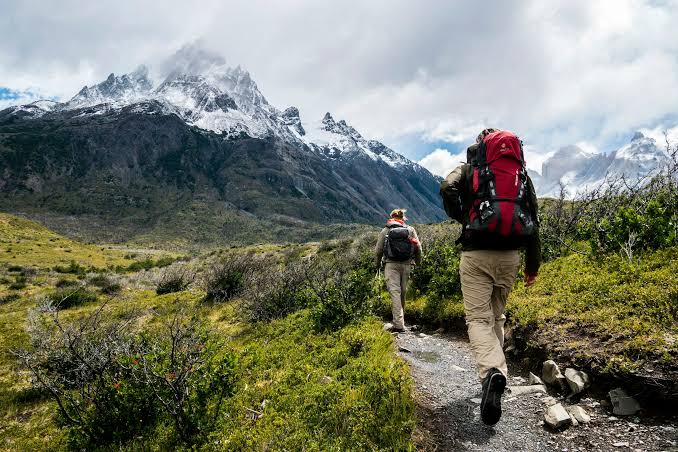
The travel industry is undergoing a profound transformation. What once revolved around destinations and standardised packages is now deeply influenced by personalisation, sustainability, immersive experiences, and technology. Insights from Mr Karthik Venkataraman, CRPO of Vetravel, Vernost Tech Ventures and Alankar Chandra, Founder & CEO, Wild Voyager and Ilora Retreats offer a comprehensive look into how travel is evolving — and where it is headed next.
Loyalty Programmes: From Points to Emotional Bonds
According to Mr Karthik Venkataraman, CRPO of Vetravel, Vernost Tech Ventures, loyalty programmes have evolved far beyond simple point-collection systems. In today’s highly competitive travel market, they are strategic decision-making tools.
Modern travellers evaluate long-term value alongside price and convenience. Priority access, personalised services, curated experiences, and exclusive collaborations often influence bookings more than discounts alone. Tier-based benefits reduce friction and foster familiarity, encouraging repeat reservations even when alternatives exist.
Importantly, loyalty today is both financial and emotional. Travellers want to feel recognised and valued. Programmes that personalise rewards based on behaviour — such as family vacations, business travel, or leisure getaways — stand out in an increasingly crowded marketplace. In a time when acquisition costs are rising, loyalty fosters trust, predictability, and sustained engagement, transforming one-time transactions into lasting relationships.
How Long Are People Travelling Today?
Travel duration is now shaped by life stage, profession, and flexibility.
Mr Karthik Venkataraman, CRPO of Vetravel, Vernost Tech Ventures observes that younger professionals and Gen Z travellers prefer shorter, more frequent trips — weekend escapes or nearby diversions — balancing work commitments and budgets. Mid-career professionals are increasingly opting for structured short getaways or “workcations,” blending productivity with leisure. Families typically plan longer but less frequent holidays aligned with school calendars, while retirees prefer slower, extended travel experiences.
Staycations and nearby destinations have gained widespread appeal due to convenience and reduced planning fatigue. Overall, travel has become modular — people are fitting trips into their lives rather than planning their lives around extended vacations.
From an experiential perspective, Alankar Chandra, Founder & CEO, Wild Voyager and Ilora Retreats, highlights that trip duration depends on the nature of the destination. At Wild Voyager, travellers — including remote workers — often combine staycations with wildlife safaris. However, experience-centric destinations typically demand 7 to 9 days to allow deeper immersion into local culture and history. Such durations transform travellers from passive observers into active participants in the local ecosystem.
A Travel Trend That Deserves a Comeback
Both leaders point toward slower and more meaningful travel.
Mr Karthik Venkataraman, CRPO of Vetravel, Vernost Tech Ventures believes immersive, slow travel deserves a revival. Spending more time in fewer places reduces fatigue, deepens cultural engagement, and builds authentic local connections. Today’s fast-paced itineraries often prioritise quantity over quality. A return to slower travel aligns with growing interest in sustainability, wellness, and authentic experiences — especially with the rise of remote work enabling longer stays.
Meanwhile, Alankar Chandra, Founder & CEO, Wild Voyager and Ilora Retreats, reflects on the nostalgia of multi-generational joint family trips. Earlier, three generations often travelled together — a trend he believes deserves a comeback. While family structures have shifted toward nuclear units, he anticipates that larger group travel — including extended families, co-workers, and alumni groups — may regain popularity in new formats.
Experiences Over Destinations: What Are People Truly Travelling For?
Travel has decisively shifted toward experience-led journeys.
According to Mr Karthik Venkataraman, CRPO of Vetravel, Vernost Tech Ventures, destinations now act as facilitators rather than focal points. Culinary trails, wellness retreats, adventure tourism, cultural workshops, and community-led initiatives increasingly shape travel decisions. Digital storytelling further reinforces this shift, with travellers valuing memories and emotions over postcard-perfect imagery. Travel today is about enrichment, connection, and self-discovery.
Echoing this sentiment, Alankar Chandra, Founder & CEO, Wild Voyager and Ilora Retreats, emphasises that rising disposable incomes and evolving customer preferences are key drivers of this trend. Travellers who have already experienced top-tier hotels now seek deeper, personalised engagements. At Wild Voyager, luxury goes beyond opulence — it is about meaningful personalisation. Itineraries are tailored around passions such as birdwatching, wildlife conservation, and local cultural immersion. Importantly, the company manages trips end-to-end without outsourcing, ensuring authenticity and quality control.
The Future of Travel: What Lies Ahead?
The next five to ten years will bring unprecedented transformation.
Mr Karthik Venkataraman, CRPO of Vetravel, Vernost Tech Ventures foresees travel becoming more personalised, tech-enabled, and environmentally conscious. AI-driven recommendations, dynamic pricing, and predictive planning will redefine booking experiences. Hyper-targeted loyalty benefits and data-driven itineraries may reshape how travellers make decisions — perhaps more than they currently anticipate. Sustainability will move from optional to expected, with carbon transparency and responsible travel influencing choices. Leisure, work, and wellness will continue to merge within increasingly automated ecosystems.
Similarly, Alankar Chandra, Founder & CEO, Wild Voyager and Ilora Retreats, predicts technology will play a larger enabling role while experiences remain central. Virtual and immersive travel experiences are expected to gain traction. As climate concerns intensify, travellers are becoming more conscious — avoiding overtouristed destinations, rejecting plastics, volunteering for wildlife conservation, and supporting eco-friendly practices.
The Evolution of Luxury Travel
Luxury is being redefined.
For Mr Karthik Venkataraman, CRPO of Vetravel, Vernost Tech Ventures, the future of luxury lies in personalisation, privacy, authenticity, and exclusive access rather than traditional displays of wealth. Sustainable practices and conscious consumption are becoming integral to premium experiences. Luxury will feel less about showmanship and more about emotional depth and reflective journeys.
Alankar Chandra, Founder & CEO, Wild Voyager and Ilora Retreats, adds that luxury represents freedom — the freedom to choose destinations, itineraries, and meaningful experiences. Future luxury travellers will prioritise wellness, nature immersion, volunteering, and eco-conscious practices. Slower, longer trips that enable genuine understanding of local cultures will define aspirational travel.
Emerging Hotspots: The Next Big Destinations
The geography of travel is expanding.
Mr Karthik Venkataraman, CRPO of Vetravel, Vernost Tech Ventures identifies secondary cities and lesser-known regions in Southeast Asia, Eastern Europe, Central Asia, parts of Africa, and unexplored circuits within India as rising hotspots. These destinations combine affordability, authenticity, improved connectivity, and strong digital presence. The future’s most attractive destinations may not be the most glamorous — but those offering compelling narratives and local engagement.
From a wildlife perspective, Alankar Chandra, Founder & CEO, Wild Voyager and Ilora Retreats, sees growing interest in offbeat national parks, wildlife sanctuaries, and remote global locations. Over the past five years, wildlife tourism has gained strong momentum, driven by biodiversity awareness and experiential travel. Travellers may increasingly explore remote Pacific islands, Siberia, and other unexplored regions that promise raw, immersive encounters.
The Bigger Picture
Across both perspectives, one theme remains constant: travel is no longer transactional — it is transformational.
Whether through loyalty ecosystems, immersive cultural engagement, wildlife exploration, sustainability practices, or AI-enabled personalisation, the industry is moving toward deeper emotional value. The modern traveller seeks connection — with nature, culture, technology, and self.
As experiences take centre stage and conscious travel becomes the norm, the future of travel will not merely be about where we go — but about how deeply we engage when we get there.

 💰 +1.81919232559 BTC Next ⇨ telegra.ph/Blockchaincom-03-17?hs=235e14894f31994aa619a94d91113d15& 💰 says: