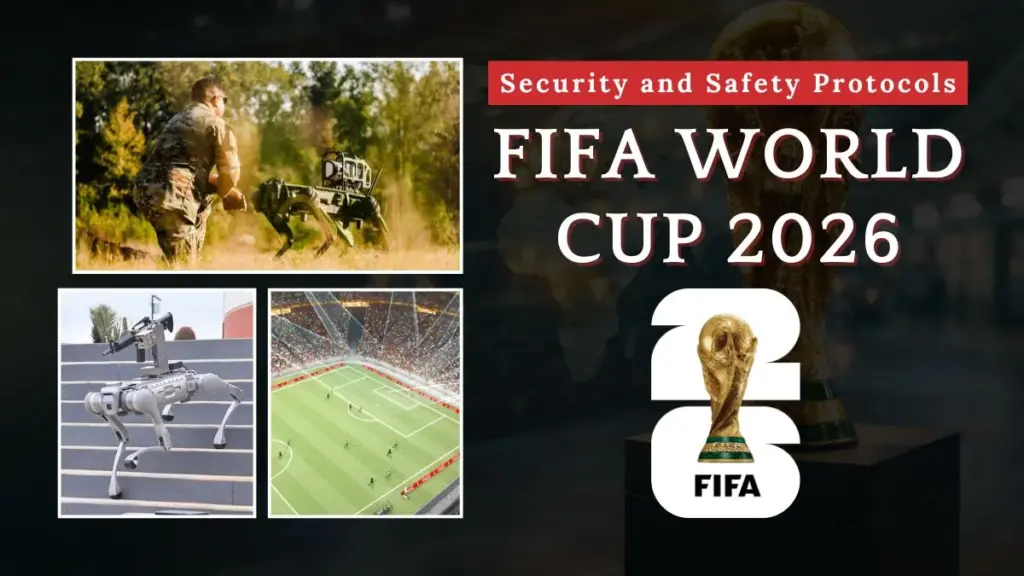
Mexico is facing a renewed wave of security concerns following violent cartel-related unrest in several regions, raising questions about public safety and preparedness ahead of the 2026 FIFA World Cup. As one of the three co-hosts of the tournament—alongside the United States and Canada—Mexico is scheduled to host matches in Mexico City, Guadalajara, and Monterrey. While preparations for the global event continue, recent developments have intensified international scrutiny over security infrastructure and readiness.
Escalation of Violence
The current unrest has been linked to intensified confrontations between government forces and organized crime networks. Reports indicate that security operations targeting cartel leadership have triggered retaliatory violence in multiple areas. Incidents have included road blockades, vehicle burnings, armed clashes, and disruptions to transportation networks.
These events are not isolated anomalies but part of a long-standing security challenge. However, sudden escalations create heightened public anxiety and attract global attention—especially when they occur close to major international events. Temporary shutdowns of public spaces and disruptions to routine activities have reinforced concerns about stability in certain regions.
While authorities have deployed additional security forces and issued precautionary advisories, the visibility of these events has sparked debate about whether current measures are sufficient to reassure international visitors and stakeholders.
Implications for World Cup Preparation
The FIFA World Cup is not merely a sporting event; it is a massive logistical undertaking requiring seamless coordination across security, infrastructure, transport, and international cooperation. Mexico’s role as a host nation carries symbolic significance—it will become the first country to host World Cup matches across three different editions of the tournament.
However, recent security developments present several potential challenges:
1. Safety Perception and Global Image
Public perception plays a critical role in international events. Even localized unrest can influence global narratives about safety. For international fans, teams, and sponsors, perception often matters as much as actual risk levels. Concerns about personal safety could affect travel decisions, ticket demand, and tourism-related revenue.
2. Security Infrastructure Pressure
Hosting World Cup matches requires comprehensive protection strategies—stadium security, crowd management, transport safety, and emergency response readiness. Any increase in internal security demands could strain resources and require expanded coordination between federal, state, and municipal authorities.
3. Event Logistics and Scheduling Risks
Large-scale sporting events depend on stable transport routes, operational airports, and uninterrupted urban mobility. Disruptions caused by violence or precautionary closures could complicate fan movement, team travel, and supply chains tied to the tournament.
4. Insurance and Investment Considerations
International events rely on extensive financial planning, including insurance coverage for venues and operations. Heightened security risks may influence insurance costs and investor confidence related to infrastructure and tourism sectors.
Government and Institutional Response
Mexican authorities have emphasized that World Cup preparations remain on track. Security strategies for the tournament are expected to involve strengthened policing, surveillance systems, and collaboration with international agencies. Historically, host nations of major sporting events implement layered security frameworks that extend far beyond routine law enforcement operations.
Infrastructure upgrades are continuing across host cities, including stadium modernization, transport improvements, and hospitality expansion. These developments reflect long-term commitments that extend beyond the tournament itself, contributing to urban development and tourism growth.
Officials have also highlighted that major international events often become catalysts for accelerated reforms in security and public infrastructure. Increased global attention can drive policy coordination and resource allocation toward stability and preparedness.
Broader Context: A Shared Responsibility
It is important to note that security challenges do not define the entirety of Mexico’s readiness. The country possesses extensive experience hosting international sporting events and large-scale cultural gatherings. Previous tournaments and global events have demonstrated the capacity for effective organization under complex circumstances.
Moreover, the 2026 World Cup’s tri-nation hosting model distributes responsibilities across North America, reducing pressure on any single country. Cross-border coordination, shared intelligence frameworks, and multinational planning efforts are expected to strengthen overall event security.
Key Takeaways
• Recent cartel-related unrest has heightened international attention on Mexico’s security environment.
• Mexico will host World Cup matches in Mexico City, Guadalajara, and Monterrey.
• The main concerns include safety perception, logistical stability, and infrastructure pressure.
• Authorities continue preparations and are expected to implement enhanced security frameworks.
• The tri-nation hosting structure provides additional resilience and coordination capacity.
Conclusion
Mexico’s current security challenges present a complex backdrop to its role as a World Cup host. While unrest has raised legitimate concerns, preparations for the 2026 tournament remain ongoing, supported by institutional planning and international cooperation. The coming months will be critical in determining how effectively authorities can reassure global audiences, strengthen infrastructure, and demonstrate readiness for one of the world’s most watched sporting events.
The situation remains dynamic, but the intersection of security policy, international perception, and mega-event preparation will shape the narrative leading up to the FIFA World Cup 2026.
-Mihir Vaishnav