
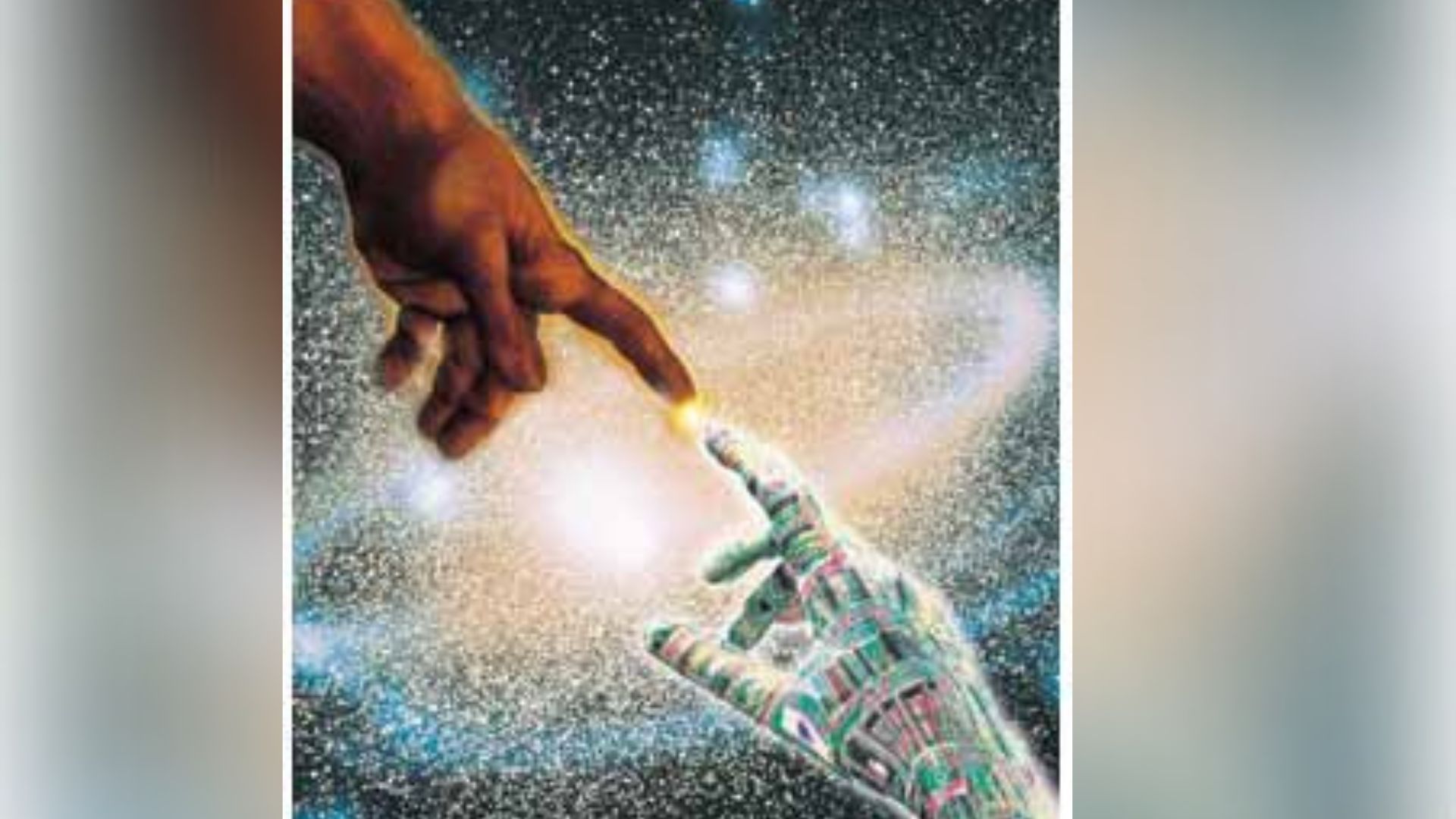
For decades, spirituality and science lived in separate worlds. One belonged to meditation cushions, temples, and inner reflection; the other to laboratories, data, and observable proof. But something is changing — quietly, steadily, and globally.
Today, the boundary between the two is fading. From meditation apps backed by neuroscientists to wellness practices supported by clinical research, spirituality and science are no longer opposing forces. They’re becoming partners in understanding what it truly means to be human.
Welcome to the era where intuition meets evidence.
The Rise of Conscious Living
Modern life is faster than ever, yet people are slowing down. Across the world, a new generation is seeking more than productivity and success — they’re searching for balance, meaning, and mental clarity.
This shift has led to a cultural movement often called conscious living: a lifestyle that values mindfulness, emotional awareness, and intentional choices. Interestingly, many of these ideas come from ancient spiritual teachings, but they are now being supported by scientific research.
Science is no longer dismissing spirituality as abstract. Instead, it’s asking: What actually happens in the brain and body when we practice these rituals?
Meditation Goes Mainstream
Meditation is perhaps the clearest example of spirituality stepping into the scientific spotlight. Once considered niche or mystical, it has entered corporate offices, schools, and healthcare systems.
Brain imaging technology shows that regular meditation can reduce stress responses, improve focus, and strengthen emotional regulation. What spiritual traditions have practiced for thousands of years is now measurable in neural activity and hormonal balance.
In many ways, science is simply catching up with wisdom that has long existed.
Mindfulness: The New Language of Wellness
Mindfulness has become more than a trend — it’s a modern survival skill. Therapists recommend it, athletes practice it, and leaders incorporate it into high-performance routines.
At its core, mindfulness is deeply spiritual: being present without judgment. Yet science explains its power in practical terms — reduced cortisol levels, improved cognitive flexibility, and better mental resilience.
The result? Spiritual concepts translated into the language of modern wellbeing.
The Mystery of Consciousness
While science has made extraordinary advances, one question remains unresolved: what exactly is consciousness?
Neuroscientists study how awareness emerges from the brain, while spiritual philosophies describe consciousness as something larger than the individual self. Rather than conflicting, these perspectives are beginning to overlap in fascinating ways.
Researchers, philosophers, and spiritual thinkers are increasingly sitting at the same table, exploring the idea that human awareness might be more complex — and more connected — than previously believed.
Technology as a Spiritual Tool
In a surprising twist, technology is helping fuel this transformation. Wearable trackers measure stress and sleep, meditation apps guide breathing patterns, and digital platforms make ancient practices accessible to millions.
Rather than replacing spirituality, technology is reshaping how it is experienced — turning self-awareness into something both personal and measurable.
For the first time, people can feel calm and see the data that supports it.
A New Definition of Balance
The merging of spirituality and science isn’t about proving one right or wrong. It’s about creating harmony between two ways of understanding reality.
Science gives us structure and knowledge. Spirituality gives us depth and meaning. Together, they encourage a fuller experience of life — one that values both logic and intuition, analysis and emotion.
This new balance reflects a larger cultural shift: people no longer want to choose between thinking deeply and feeling deeply. They want both.
The Future: Integrated Human Experience
As research continues and conversations expand, the integration of spirituality and science may shape everything from healthcare and education to leadership and lifestyle.
The future isn’t about abandoning evidence for belief or dismissing spirituality as unscientific. Instead, it’s about recognizing that human experience is vast — and understanding it may require both data and introspection.
Perhaps the most modern idea of all is this: science and spirituality were never opposites. They were two different paths leading toward the same question — who are we, really?
–Anjali Sharma