There’s a noticeable shift happening in political conversations and Gen Z is at the center of it. From Instagram explainers to campus debates, from policy threads on X to discussions in group chats, young voices are louder and more involved than ever before.
But is Gen Z more politically aware? Or simply more expressive?
The answer lies somewhere in between and in understanding both sides of the story.
Why Many Believe Gen Z Is More Politically Aware
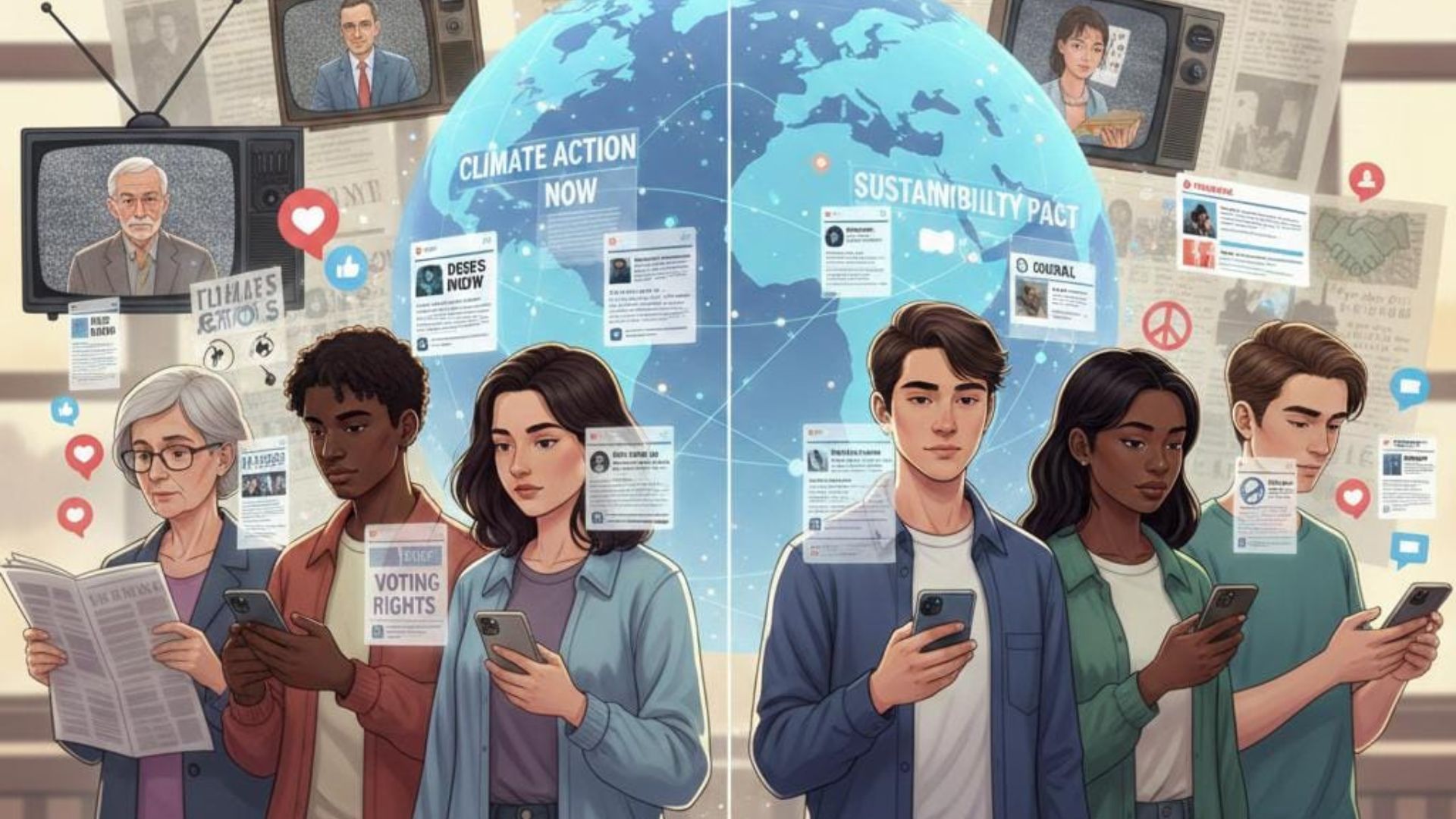
Unlike previous generations that relied heavily on newspapers or evening news bulletins, Gen Z grew up in a digital-first world. Information wasn’t scheduled — it was constant.
Visheshta Gupta, a CS professional aspirant, explains this shift clearly:
“Gen Zs are more aware because we grow up digitally and we follow content creators that give us the view and truth even before reading the newspaper or opening the TV to watch news channels.”
Her statement reflects how information now reaches young people before traditional media even enters the picture. News breaks first on social media. Analysis follows instantly. Discussions begin within minutes.
For Rohit Nallana, Creator partner and Marketing Head at Skaya, the awareness feels unavoidable rather than optional:
“Because Gen Z was raised online in a world where problems were always evident, politics seemed more personal, immediate, and unavoidable to them.”
From climate change to economic crises, from social justice movements to global conflicts — Gen Z witnessed major issues unfold live during their formative years. Politics didn’t feel distant; it felt personal.
Adding to this perspective, Diya Munuswamy, a PR trainee, highlights how accessibility shaped understanding:
“Gen Z is more politically aware because it grew up with smartphones and instant access to information. Platforms like Instagram and X deliver real-time news in quick, easy formats, and Gen Z creators simplify complex issues through short videos. Having also experienced major disruptions like the COVID-19 pandemic, they’ve seen how policies directly impact daily life, making their political understanding more immediate and personal.”
Her point emphasizes something crucial — Gen Z hasn’t just consumed politics; they’ve experienced the consequences of policies firsthand.
The Bias Conversation
However, it would be incomplete to ignore the other side.
The same platforms that inform also influence. Algorithms personalize feeds. Over time, this can create echo chambers where one perspective dominates. Short-form content simplifies complex policies, sometimes at the cost of nuance.
Yes, some Gen Z individuals can be biased. Quick opinions can form. Emotional reactions can overpower deep research.
But bias is not exclusive to one generation. Every generation has been shaped by the media systems available to them television, print, radio, or now digital platforms.
The key difference is speed. Gen Z forms and shares opinions faster because information travels faster.
More Knowledge, More Exposure
Despite the risk of bias, one thing stands out Gen Z generally has greater exposure to political discussions at an earlier age compared to older generations.
They:
Understand global issues beyond their own country.
Follow international politics in real time.
Engage in discussions on policy, economy, environment, and rights.
Consume political commentary daily, even unintentionally.
Access has translated into knowledge.
While not every Gen Z individual is deeply informed, as a collective, they demonstrate higher political literacy simply because of the environment they grew up in.
Potential Leaders of the Future
Awareness at a young age builds familiarity. Familiarity builds confidence. Confidence builds leadership.
Gen Z is:
Comfortable questioning authority.
Used to researching before forming opinions.
Open to dialogue across borders.
Aware of representation and inclusivity.
These traits are foundational for strong leadership.
Yes, some may still navigate bias and misinformation. But with growing digital literacy and access to diverse viewpoints, this generation has the tools to evolve into informed, responsible leaders.
Conclusion: What the Shared Views Tell Us
The perspectives of Visheshta Gupta, Rohit Nallana, and Diya Munuswamy highlight a shared understanding Gen Z’s political awareness is deeply tied to digital exposure, real-time information, and lived experiences like the pandemic.
Their views suggest that politics feels immediate, accessible, and personal to Gen Z in ways it may not have for previous generations.
While it is true that some individuals may be influenced by biased or one-sided content, it is equally true that this generation possesses broader political knowledge and earlier exposure than many before them.
The conclusion is not that Gen Z is perfect. Nor that older generations were unaware.
It is that the environment has changed and Gen Z adapted to it.
With the right balance of critical thinking and open dialogue, this awareness positions them not just as active citizens today, but as capable leaders of tomorrow.
-Khizra Khan