There was a time when love in India was measured in velvet boxes, gold chains, and grand surprise deliveries. A diamond on Valentine’s Day. A designer handbag on anniversaries. A watch that silently said, “I care.”
But in 2026, something has shifted.
Now, instead of asking, “What did he gift you?” friends are asking, “Where are you guys going?”
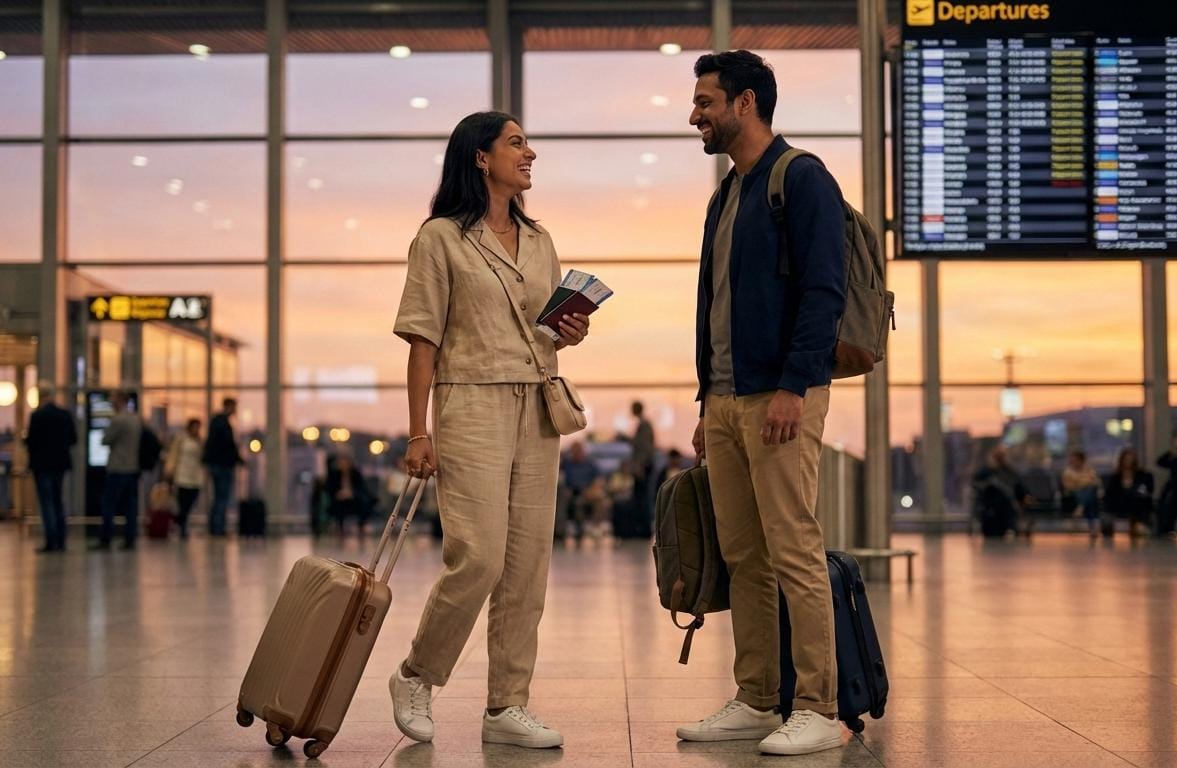
From honeymooners to couples celebrating five or fifteen years together, Indian partners are increasingly choosing booked travel getaways over material gifts and the change says a lot about how love itself is evolving.
The Rise of Experience-Driven Love
In cities like Mumbai, Delhi, Bengaluru and Jaipur, couples are prioritizing shared experiences over physical possessions.
Instead of exchanging expensive items, they’re booking:
- A long weekend in Udaipur
- A quiet mountain escape in Manali
- A beach retreat in Goa
- Or even international trips to Bali and Dubai
The idea is simple:
Memories last longer than merchandise.
A handbag may sit in a cupboard.
But that 6 AM sunrise you watched together on a hotel balcony? That becomes a story you retell for years.
Why This Shift Is Happening
1. Emotional Currency Is Stronger Than Material Currency
Indian couples today value time together more than symbolic gifts. Work schedules are demanding. Social media is noisy. Life moves fast.
Travel offers something rare: uninterrupted connection.
No office calls. No family chaos. Just two people rediscovering each other outside routine.
2. Social Media Changed What We Celebrate
Instagram didn’t just change photography it changed aspirations.
Couples now document:
- Airport selfies
- Matching vacation outfits
- Candlelight dinners under open skies
- “Booked it instead of buying it” captions
A romantic getaway post often feels more meaningful than an unboxing reel. It’s not about showing luxury; it’s about showcasing shared moments.
3. Millennials & Gen Z Redefined Success
Earlier generations often saw gold and property as security and affection.
Today’s couples see experiences as investment not financially, but emotionally.
Travel represents:
- Freedom
- Partnership
- Equality
- Growth
It’s not “He gifted me.”
It’s “We planned this together.”
That subtle difference reflects changing gender roles and shared financial decisions within modern Indian relationships.
4. Love Is Becoming Less Performative, More Personal
Interestingly, while social media amplifies travel, many couples are choosing intimate, low-key destinations.
Instead of extravagant banquets, they’re choosing:
- Boutique stays
- Hidden homestays
- Nature retreats
- Wellness resorts
The intention is not always grandeur it’s presence.
The Cultural Evolution Behind It
Indian culture has always celebrated togetherness from big fat weddings to festive gatherings.
But in 2026, togetherness is becoming more private and intentional.
Couples are investing in:
- Shared bucket lists
- Adventure sports
- Spiritual retreats
- Food trails
- Road trips
Love is no longer just about symbolic exchange.
It’s about shared narrative.
A trip becomes part of a couple’s identity:
“That’s where we had our first fight and laughed about it.”
“That’s where he proposed.”
“That’s where we decided to move cities.”
You can’t wrap that in gift paper.
What This Means for the Future of Gifting
The gifting industry isn’t disappearing, it’s transforming.
Travel vouchers, curated experiences, surprise trip bookings, and couple-focused packages are replacing traditional luxury purchases.
Even anniversaries are now planned around itineraries rather than jewellery counters.
The Real Takeaway
This shift isn’t about rejecting gifts. It’s about redefining what feels meaningful.
In 2026, Indian couples are saying:
“Don’t just give me something.
Give me somewhere.”
Because in a world that constantly demands attention, choosing to pack a bag and leave together is perhaps the most romantic decision of all.
Love, after all, is not always in what you hold.
Sometimes, it’s in where you go.
-Khizra Khan