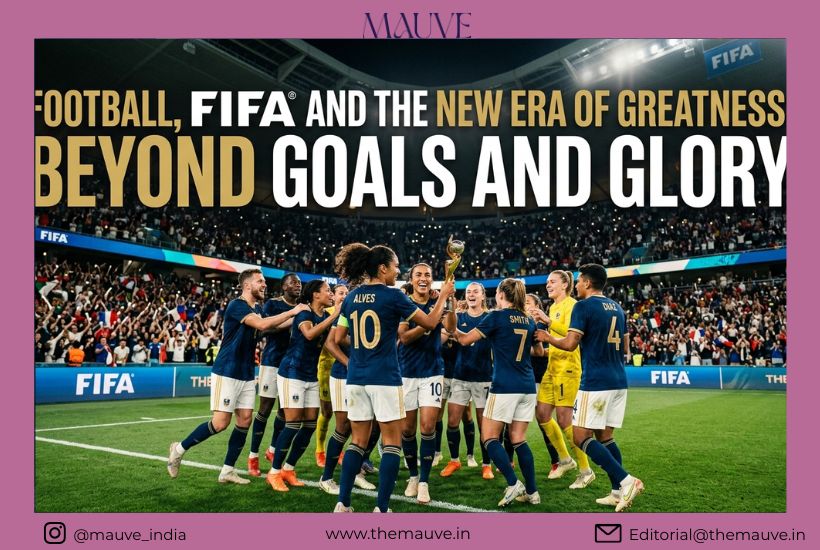
Football has always been more than a sport; it is an emotion, a culture, and a global language spoken by millions. With the ongoing FIFA World Cup bringing together nations, rivalries, and some of the biggest names in the game, the tournament has once again reminded the world why football remains the most watched and debated sport. However, beyond the celebrations and dramatic moments, the modern game also raises questions about commercialisation, player pressure, and whether football’s obsession with individual stars overshadows the spirit of teamwork.
The current FIFA stage has been a showcase of tactical battles, emerging talents, and legendary performances. Traditional football powerhouses continue to dominate expectations, but the rise of younger teams and fearless players has challenged the idea that only a few nations can control the world stage. Football today is faster, more strategic, and more physically demanding, but some fans argue that the creativity and unpredictability of the older era are slowly disappearing under heavy tactical systems.
The debate around the top 10 players in world football continues to divide fans. Names like Lionel Messi, Cristiano Ronaldo, Kylian Mbappé, Erling Haaland, Vinícius Júnior, Jude Bellingham, Kevin De Bruyne, Mohamed Salah, Harry Kane, and Rodri remain among the most influential players of this generation. Yet rankings often depend on what fans value more — statistics, trophies, leadership, or pure talent. While Messi’s vision and Ronaldo’s longevity have defined an era, younger players like Mbappé and Bellingham represent the future of football’s evolution.
Many fans believe the game has entered a transitional phase. A football supporter from Argentina says, “Messi changed the way people see creativity in football. But the next generation has the responsibility to create its own identity, not just chase comparisons.” Another fan from England adds, “Bellingham shows that modern football is not only about scoring goals; it is about controlling the entire game.”
However, criticism also surrounds modern football. Some supporters feel that FIFA tournaments have become increasingly commercial, where sponsorships and global branding sometimes compete with the emotional connection fans have with the sport. A Brazilian fan comments, “Football belongs to the fans. The passion comes from the streets, not just from big stadiums and expensive transfers.” Similarly, a Spanish supporter argues, “Statistics are important, but football should never become only about numbers. The beauty of the game is in moments that cannot be measured.”
As football continues to evolve, the biggest challenge is balancing tradition with progress. The legends of the past created the foundation, while today’s stars are rewriting the rules. FIFA remains the biggest stage where heroes are created, but the true beauty of football lies beyond trophies — in the emotions, debates, heartbreaks, and unforgettable memories shared by fans across the world.
The future of football is not only about finding the next superstar; it is about preserving the soul of the game while allowing new stories to be written.