
Set against the golden shores of Goa, Goafest 2025 unfolded at the luxurious Taj Cidade de Goa where the ocean breeze met a tidal wave of ideas. As India’s premier festival for advertisers, marketers, and media professionals, Goafest is more than just a calendar event it’s a celebration of bold creativity, disruptive thinking, and the finest work from across India and South Asia. Hosted by the Advertising Agencies Association of India (AAAI) in collaboration with The Advertising Club, the three-day extravaganza delivered everything from inspirational keynotes and sharp-witted panels to glittering award nights and unmatched networking magic.
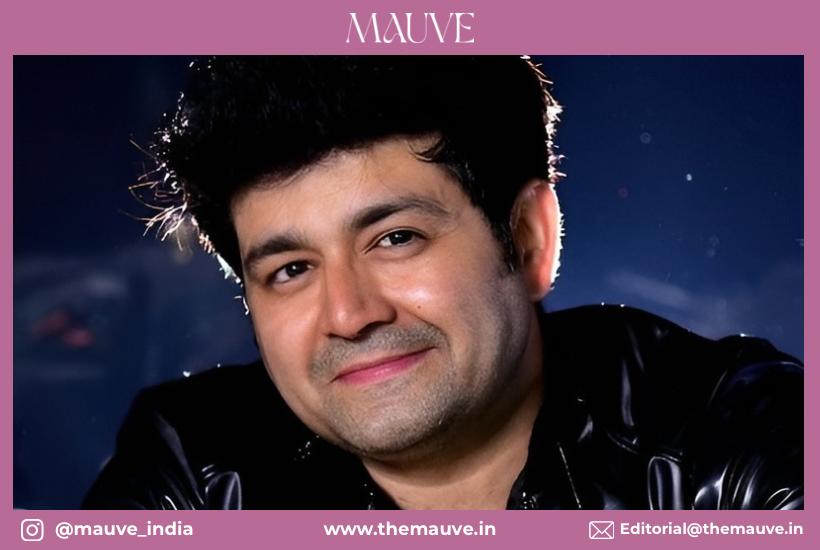
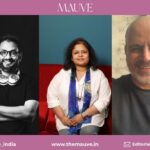
In a festival that celebrates the intersection of creativity, technology, and culture, Day 3 of Goafest 2025 delivered a masterclass in storytelling for the future. Titled “How AI is Rewriting the Language of Visual Storytelling,” this powerful keynote by Vivek Anchalia Founder & CEO of Amazing Indian Stories was nothing short of a reality check for the creative industry. Moderated by the sharp and seasoned Lulu Raghavan, President of Landor APAC, the session explored how AI is not replacing storytellers, but supercharging their vision.
From Traditional to Transformational
Gone are the days of relying solely on rough animatics and storyboard sketches to convey ideas. Today, AI-generated spec ads and visuals offer crystal-clear narrative and aesthetic guidance before a single camera rolls. According to Vivek, AI tools are revolutionizing previsualisation, helping brands and filmmakers move from ideation to production with unmatched speed and precision.
One AI-powered slide can now visually communicate actor profiles, lighting moods, costume aesthetics, camera angles, and even emotional tones making traditional production decks seem almost archaic in comparison.
Cutting Time, Saving Costs, Elevating Vision
Vivek introduced attendees to IPM (Integrated Production Modules) AI-based tools that have cut pre-production time from 6 hours to mere minutes. The impact? Reduced costs, smaller crews, no need for heavy equipment or location logistics without sacrificing creative integrity.
He noted that brands are no longer constrained by budget to create just one campaign per season. AI empowers them to craft multiple visual narratives, tailored for different collections, regions, and audiences all simultaneously.
AI in Action: The Making of Naisha
The session highlight was getting a preview of Anchalia’s new film, Naisha—a proof-of-concept film that employs AI in all aspects apart from music. The film demonstrates how full-length cinematic narratives can be created now with the help of AI-created visuals, characters, and even aerial shots using drones, sparing the exorbitant travel or complex shoots in locations like the Himalayas.
“AI did not replace our filmmakers it enabled us to take their vision further,” Vivek revealed, solidly disproving technology as a creativity killer.
The Future Is Not Fiction—It’s AI-Powered
AI still has its limitations specifically in performance-driven storytelling but it excels in montage-style storytelling, fashion films, atmospheric brand narratives, and active visual sequences. Mind mood films, not product pitches (yet).
What’s certain is this: AI no longer stands as merely a tool; it’s a creative partner. It allows for scale without sacrifice, efficiency without watering down, and imagination without boundaries.
And as Goafest 2025 keeps figuring out what the next age of media and marketing looks like, talks like this serve as a reminder that the future of storytelling isn’t fake it’s magnified.
-Priya Lalwani