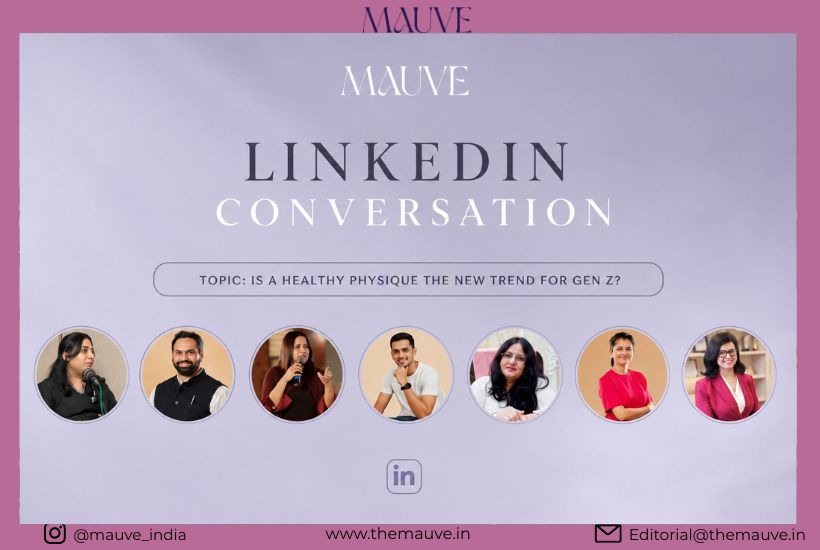
Mauve’s LinkedIn Conversation Brings Together Healthcare Experts To Decode Modern Wellness Culture
In today’s digital-first world, health has become more visible than ever before. From skincare routines and gym transformations to hormone health awareness and wellness trends flooding social media, Gen Z is openly talking about fitness and wellbeing in ways previous generations rarely did. But with this growing awareness comes an equally important question — is this shift genuinely creating a healthier generation, or is health slowly becoming a social media identity and trend?
To explore this evolving conversation, Mauve hosted an engaging LinkedIn Conversation on the topic, “Is A Healthy Physique The New Trend For Gen Z?” The one-hour session brought together leading healthcare experts from different fields to discuss the growing influence of wellness culture, social media-driven health awareness, self-diagnosis trends, mental pressure, and the changing relationship young people have with their bodies and health today.
The LinkedIn Conversation format created a dynamic and interactive space where new questions were dropped every 10 minutes, allowing doctors, healthcare professionals, and audiences to exchange thoughts, experiences, and real-world observations in real time. More than just a discussion, the session became an insightful exchange of perspectives around how modern generations are consuming health information and redefining wellness in the digital age.
The panel featured renowned healthcare experts including:
- Dr. Shilika Lalwani (Budhwani) — Endocrinologist
- Dr. Pratik Dhabalia — Robotic Joint Replacement Surgeon
- Dr. Deepak Jain — Physiotherapist & International Aquatic Therapist
- Dr. Kshama Pandey — Aesthetic Physician
- Dr. Shilpee Lunia (PT) — Physiotherapist & Pregnancy Fitness Expert
- Dr. Neha Wadhwa — Metabolic Health Expert
Throughout the conversation, one of the strongest themes that emerged was the growing awareness around health among younger generations. While some experts appreciated the curiosity and proactive attitude Gen Z has towards wellness, others highlighted the dangers of misinformation, overconsumption of online advice, and increasing anxiety around health.
Speaking about the changing awareness levels among young people, endocrinologist Dr. Shilika Lalwani shared that Gen Z is perhaps the first generation to openly discuss hormonal health, stress, and wellness in everyday conversations. According to her, while some parts of online wellness culture may appear performative, the curiosity it creates is clinically valuable because people are asking health-related questions much earlier instead of ignoring symptoms for years.
The discussion also highlighted the serious issue of misinformation spreading through social media. Metabolic health expert Dr. Neha Wadhwa emphasized that today, countless unqualified individuals are sharing health advice online without scientific backing. She pointed out that many patients arrive at clinics after following harmful trends or incorrect wellness practices they discovered online. According to her, audiences must become more aware about checking the authenticity, expertise, and qualifications behind the information they consume digitally.
Adding to this perspective, physiotherapist and pregnancy fitness expert Dr. Shilpee Lunia explained that while increased health awareness is definitely positive, excessive exposure to online information can also create unnecessary panic and anxiety. She stressed the importance of balance and professional medical guidance, reminding audiences that not every symptom seen online should immediately become a cause of alarm.
Robotic joint replacement surgeon Dr. Pratik Dhabalia reflected on how the pandemic significantly changed people’s relationship with health and wellbeing. Having worked on the ground during COVID-19, he observed a visible rise in health consciousness among people over the years. According to him, the pandemic made individuals more aware about taking care of their physical and mental wellbeing, creating a lasting impact on how health is perceived today.
The conversation also brought forward an interesting generational perspective. Aesthetic physician Dr. Kshama Pandey spoke about how millennials were equally aware of stress and burnout, but the difference was that earlier generations lived with simpler routines and lifestyles. She highlighted how home-cooked food, disciplined schedules, physical activity, and limited exposure to digital noise naturally created healthier lifestyles. According to her, millennials often do not receive enough credit because Gen Z’s health awareness is more visible and vocal online.
Discussing the rise of self-diagnosis culture, physiotherapist and international aquatic therapist Dr. Deepak Jain expressed concern over the growing number of non-medical individuals offering health-related advice after completing short-term certification courses without proper understanding of anatomy and physiology. He explained that misleading online content often encourages self-diagnosis, false interpretations, and confusion among audiences before they even consult actual healthcare professionals.
One of the biggest takeaways from the LinkedIn Conversation was that health awareness itself is not the problem — misinformation, comparison culture, and lack of guidance are. While Gen Z is undoubtedly more open towards conversations around health, fitness, hormones, mental wellness, and self-care, the discussion highlighted the importance of balancing awareness with scientific understanding and credible medical advice.
The session successfully opened meaningful conversations around modern wellness culture and how digital platforms are influencing perceptions of health today. More importantly, it reminded audiences that true wellness goes beyond aesthetics, viral trends, and social media validation — it lies in sustainable habits, informed choices, balanced lifestyles, and professional guidance.
As the conversation concluded, one message became clear: the future of healthcare conversations is no longer confined to clinics and hospitals. It is happening online, in communities, and through discussions that encourage awareness, education, and authentic dialogue around wellbeing.