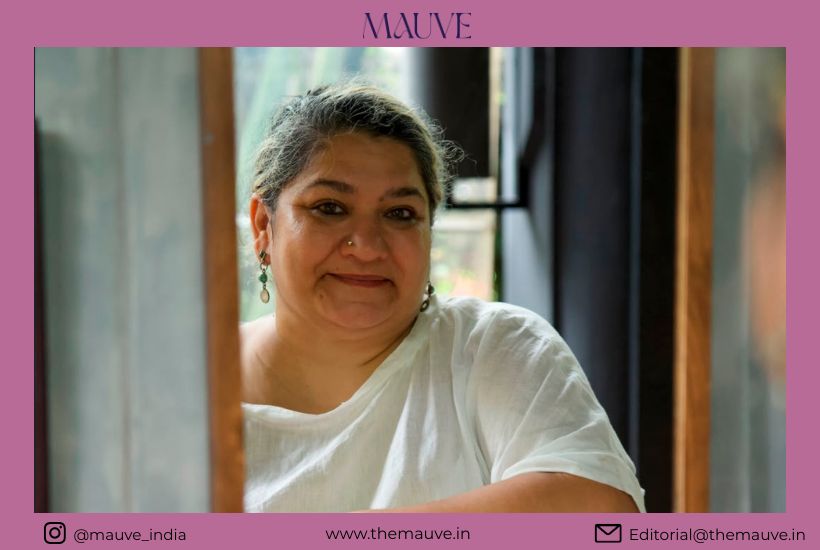
By Sapna Shahani, Founder, Blurb
For years, the restaurant business has been reduced to one deceptively simple belief: serve exceptional food and the crowds will follow.
It’s a comforting idea—but it is rarely true.
Great cuisine may earn loyalty, yet before anyone experiences a single bite, they first encounter a story. And in today’s hospitality landscape, particularly in Goa, stories are often what fill tables long before menus do.
Having spent over a decade working alongside some of Goa’s most admired restaurants—including Artjuna, Black Sheep Bistro, Mustard, Burger Factory, Ping’s Bia Hoi and Jamun—I have witnessed firsthand that enduring restaurant brands aren’t built by viral moments or fleeting social media trends. They are shaped through thoughtful positioning, consistent storytelling and a clear sense of identity.
In many ways, restaurants have evolved beyond places to dine. They have become cultural spaces, lifestyle brands and destinations people aspire to experience.
Every Memorable Restaurant Begins with a Story
Menus can be replicated.
Stories cannot.
Guests may remember a signature dish, but they rarely forget the chef who left a corporate career to build a neighbourhood café, the restored Portuguese villa that became a dining destination, or the grandmother’s recipe preserved across generations.
These narratives create emotional connections long before a reservation is made.
The strongest hospitality brands understand precisely who they are. Every detail—from architecture and interiors to service rituals, photography and social media—becomes an extension of that narrative.
People don’t simply buy meals.
They buy meaning.
Design Has Become a Marketing Language
The modern restaurant experience begins well before the first course arrives.
Today’s diners notice everything: natural light filtering through old windows, handcrafted tableware, signature cocktails, curated playlists, thoughtful signage, staff uniforms and even the mirror inside the washroom.
Every visual detail becomes part of the brand’s communication.
In the age of Instagram, guests often become storytellers themselves. The most successful restaurants don’t ask customers to create content—they naturally inspire them to.
Thoughtful design has quietly become one of hospitality’s most powerful public relations tools.
Restaurants Are Part of a Larger Cultural Conversation
One of the most common misconceptions among restaurateurs is that restaurant publicity belongs exclusively in food publications.
The reality is far broader.
Some of the most meaningful editorial coverage we’ve secured has appeared in travel magazines, design journals, architecture platforms, lifestyle publications, sustainability features and business media.
Restaurants today intersect with multiple industries.
A chef’s philosophy, a commitment to local sourcing, adaptive reuse of heritage buildings, cultural programming or environmental initiatives often become stories that resonate far beyond the culinary world.
Restaurants no longer exist solely within hospitality.
They shape culture.
PR Begins Long Before Opening Night
By the time the ribbon is cut, the story should already be unfolding.
Some of the strongest restaurant launches we’ve managed began months before guests ever stepped inside.
Construction updates.
Chef introductions.
Ingredient sourcing journeys.
Menu development.
Interior design collaborations.
Behind-the-scenes craftsmanship.
These moments gradually build anticipation, transforming audiences into early believers.
When the doors finally open, the restaurant doesn’t need to introduce itself.
Its community is already waiting.
Relationships Build Headlines
Public relations has never been about distributing hundreds of press releases.
It has always been about trust.
Editors, journalists, photographers and creators receive countless restaurant pitches every week. The difference rarely lies in who sends the loudest email—it lies in who understands the publication, respects editorial priorities and brings genuinely meaningful stories.
The strongest media relationships are built patiently over years, not overnight.
And those relationships often become a restaurant’s most valuable long-term asset.
Local Love Creates National Recognition
Many entrepreneurs dream of seeing their restaurant featured in national publications.
Ironically, national recognition almost always follows local affection.
When neighbourhood diners become loyal advocates, visitors begin to notice.
When travellers return home with memorable experiences, conversations expand beyond city limits.
Eventually, national media follows the momentum already created by the community.
Great restaurants never overlook the people who embraced them first.
PR and Social Media Are Not Competitors
Restaurants frequently ask whether Instagram has replaced public relations.
The answer remains a definitive no.
Social media allows brands to tell their own stories.
Public relations allows others to validate them.
While Instagram builds familiarity, editorial coverage builds credibility.
A respected publication introduces a restaurant to entirely new audiences while lending an independent voice that paid promotions often cannot replicate.
The strongest hospitality brands understand that these channels complement one another.
One begins the conversation.
The other amplifies it.
Keep Giving People Reasons to Return
Successful restaurant marketing does not conclude after opening week.
Relevance is built through continual reinvention.
Seasonal tasting menus.
Guest chef collaborations.
Art exhibitions.
Cocktail residencies.
Community dinners.
Workshops.
Cultural festivals.
Each initiative offers something more valuable than an event.
It creates a new narrative.
And every fresh narrative provides another reason for guests—and the media—to return.
Authenticity Is the Greatest Luxury
Hospitality trends evolve rapidly.
Design aesthetics change.
Algorithms shift.
Consumer preferences move with remarkable speed.
Authenticity, however, never goes out of style.
Guests instinctively recognise when a restaurant is imitating another concept or chasing the latest design trend.
The establishments that stand the test of time remain deeply rooted in their own identity.
They evolve thoughtfully without abandoning what made them distinctive in the first place.
Consistency—not novelty—is often what transforms a restaurant into a landmark.
The Future of Restaurant PR in Goa
Over the past decade, Goa has quietly evolved into one of India’s most exciting culinary destinations.
Seasonal cafés have become year-round institutions.
Heritage homes have been thoughtfully reimagined into iconic dining spaces.
Acclaimed chefs, visionary entrepreneurs and globally influenced menus have elevated the state’s hospitality landscape far beyond its beachside reputation.
As dining expectations rise—and so do price points—guests increasingly seek experiences that justify their investment.
They expect authenticity.
Design.
Purpose.
Hospitality.
A story worth remembering.
In this environment, public relations is no longer about securing publicity for the sake of visibility.
It is about building a reputation that inspires trust, emotional connection and lasting loyalty.
The restaurants that will shape Goa’s next decade are unlikely to be those with the largest advertising budgets.
They will be the ones that understand the timeless power of storytelling.
Because long after the final course is served, it is never just the meal that people carry home.
It is the story they cannot wait to tell.
⸻
Sapna Shahani is the Founder of Blurb, a Goa-based public relations and communications consultancy specialising in hospitality, lifestyle and luxury brands.