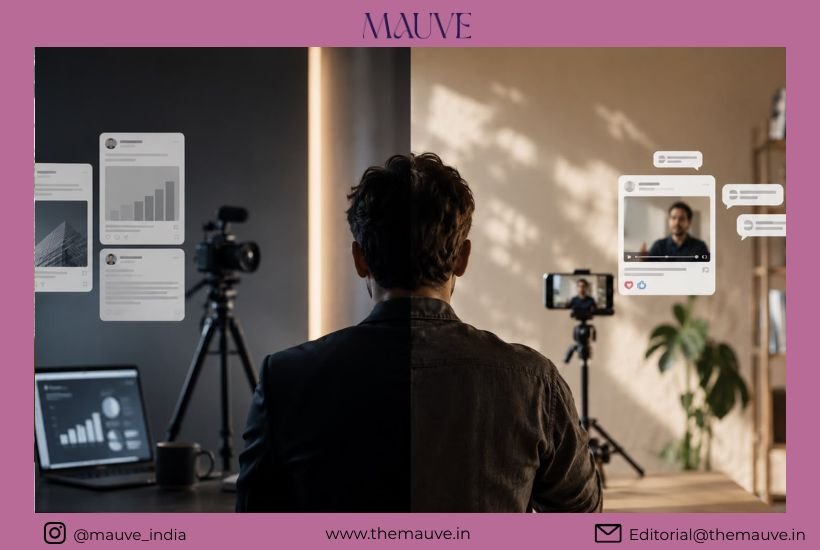
A shaky thirty-second phone video is now outperforming the perfectly lit, professionally edited clip. LinkedIn didn’t see this coming but founders who lean into it are already winning the feed.
The Feed Got Tired of Trying So Hard
For years, LinkedIn ran on a simple formula: look polished, sound corporate, stay safe. Milestone announcements, branded carousels, ghostwritten thought leadership all engineered to project competence. In 2026, that formula is quietly collapsing. The platform’s own engagement data now favors something almost opposite: unscripted video, imperfect grammar, and posts that read like they were typed in one sitting by an actual person, not a content team.
AI Made Polish Cheap — So Polish Stopped Meaning Anything
Here’s the twist nobody saw coming: the same AI tools that made slick, well-structured posts effortless to produce are exactly why those posts stopped working. When anyone can generate a clean five-point framework in seconds, a clean five-point framework stops signalling expertise it just signals that someone used a tool. Audiences have gotten sharp at spotting an over-produced, fully outsourced voice, and they’re scrolling past it faster than ever.
What’s Winning Instead
The posts breaking through now share a few traits: real client stories instead of generic advice, specific numbers instead of vague claims, and a founder’s actual sentence rhythm instead of a ghostwriter’s polish. A grainy phone video answering one real question a client asked last week is beating the scripted, professionally shot version nine times out of ten. It’s not an anti-production stance it’s a trust one. The feed isn’t short on content anymore. It’s short on proof that a real person is behind it.
This Isn’t “Post Sloppy” — It’s “Post Honest”
The nuance matters here: raw doesn’t mean careless. The founders winning this shift are still thoughtful about what they share they’re just no longer hiding the seams. A typo doesn’t sink a post anymore, but an empty, over-polished non-answer will. The new bar isn’t lower production value; it’s higher authenticity, delivered with less armor around it.
What This Means If You’re Building a Personal Brand
For founders and executives investing in LinkedIn presence, the takeaway isn’t to abandon strategy it’s to redirect it. Instead of polishing the personality out of every post, the smarter play is showing up consistently with real opinions, real mistakes, and real specifics from the week’s work, even if a tool helped draft the first version. The algorithm, and the audience, are both rewarding presence over performance.