The New Luxury Isn’t What You Own—It’s What You Live
For generations, success was often measured by what people owned. A larger house, a luxury car, the latest gadgets, and designer labels were seen as symbols of achievement. Today, however, a noticeable shift is taking place. Increasingly, consumers are choosing experiences over possessions, redefining what value and fulfillment look like in the modern economy.
From bucket-list travel adventures and wellness retreats to music festivals and immersive dining experiences, people are investing less in accumulating things and more in creating memories. This change is not merely a lifestyle trend—it reflects a deeper transformation in consumer behavior, economics, and personal priorities.
The Shift from Ownership to Experience
In an age where nearly anything can be purchased online and delivered within days, material possessions have become more accessible than ever. Yet many consumers, particularly younger generations, are discovering that acquiring more items does not necessarily lead to greater happiness.
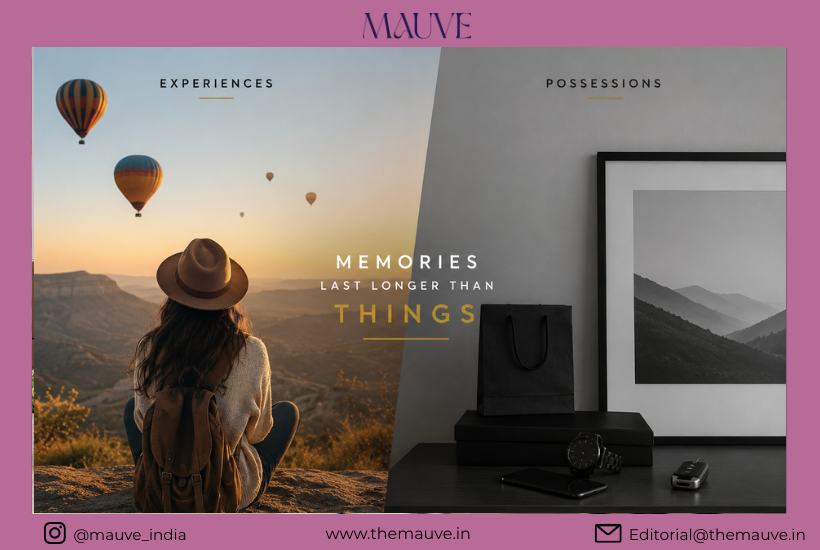
Experiences offer something possessions often cannot: lasting emotional value.
A vacation may end after a week, but the memories, stories, and personal growth associated with it can remain for years. Similarly, attending a concert, exploring a new city, or learning a new skill creates moments that become part of a person’s identity rather than simply another item on a shelf.
While social media is frequently criticized for encouraging consumerism, it has also accelerated the experience economy.
People increasingly share moments rather than purchases. Travel photographs, live events, cultural discoveries, and personal achievements tend to generate more engagement than images of material goods. As a result, experiences have become a form of social currency, allowing individuals to express their interests, values, and lifestyles.
However, the trend extends beyond online validation. Many consumers genuinely seek meaningful moments that enrich their lives rather than temporary satisfaction from buying products.
The Rise of the Experience Economy
Businesses have taken notice.
Companies across industries are redesigning their offerings to focus on experiences rather than transactions. Hotels are creating immersive local adventures. Retail brands are hosting workshops and community events. Restaurants are transforming meals into curated experiences that combine storytelling, culture, and entertainment.
The goal is no longer simply to sell a product. It is to create an emotional connection that customers remember long after the purchase is complete.
This approach has become so influential that economists now refer to it as the “Experience Economy”—a marketplace where memorable events become a primary source of value.
Why Consumers Are Prioritizing Memories
Several factors are driving this shift.
First, many people are becoming more conscious of clutter and overconsumption. Minimalism and intentional living have encouraged consumers to focus on quality rather than quantity.
Second, modern lifestyles have elevated the importance of personal well-being. Experiences often contribute to learning, relationships, mental health, and self-development in ways that possessions cannot.
Third, uncertainty in the global economy has changed how people define success. Rather than waiting for some future milestone to enjoy life, many consumers are choosing to invest in meaningful moments today.
The result is a growing preference for collecting memories instead of collecting things.
What This Means for Businesses
For brands, the message is clear: consumers are looking for more than products.
They want stories, authenticity, and emotional engagement. Companies that understand how to create memorable experiences are increasingly finding themselves at an advantage.
Whether through personalized services, community-building initiatives, immersive events, or exceptional customer experiences, businesses are discovering that how customers feel can be just as important as what they buy.
In many cases, it is becoming the deciding factor.
Looking Ahead
The rise of the experience economy does not mean possessions have lost their value. People will always need products that improve their lives. However, the modern consumer is increasingly asking a different question before making a purchase:
“How will this make me feel?”
As priorities continue to evolve, experiences are emerging as one of the most valuable currencies of the modern age. They offer connection, meaning, and memories that endure long after the moment has passed.
In a world where products can often be replicated, experiences remain uniquely personal. And that is precisely why they are becoming the new measure of value in today’s economy.