
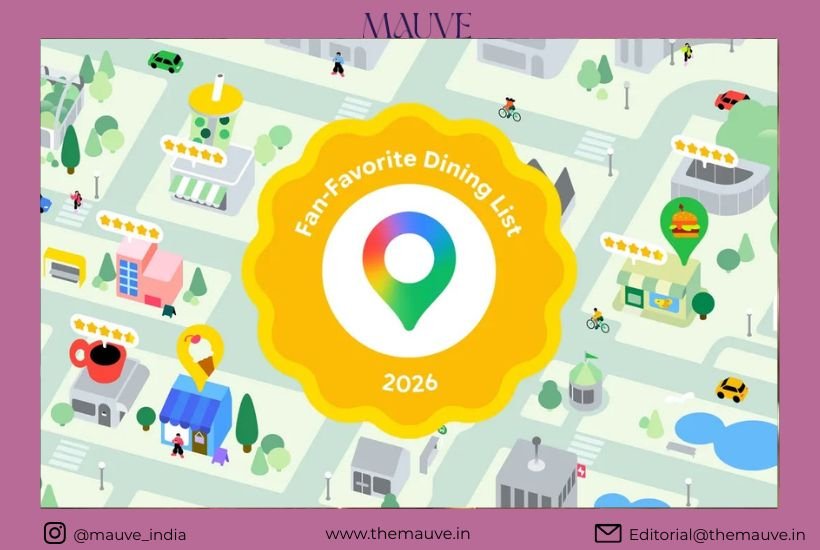
Frozen yoghurt is making a comeback, matcha continues its global ascent, and crispy comfort foods are drawing curious diners. Google Maps’ first Fan-Favorite Dining List offers a data-led look at what the world is eating, where it is going and how food culture travels.
Food trends rarely stay confined to a single city anymore. A matcha latte that begins as a café favourite can become a global ritual, while a nostalgic dessert can find an entirely new audience through social media and travel. Increasingly, the way people search for restaurants, share reviews and navigate to their next meal offers a window into the changing culture of dining.
Google Maps is bringing some of those patterns into focus with its first Fan-Favorite Dining List, released in October 2026. Analysing reviews, ratings and aggregated requests for directions across 10 cities, the list identifies popular dishes, rising food trends and restaurants attracting diners around the world.
The cities covered include Atlanta, Chicago, London, Melbourne, Montréal, New York, San Francisco, Santiago, Seattle and Tokyo. The findings reveal a fascinating mix of nostalgia, global flavour exchanges and renewed interest in familiar comfort foods.
The Return of Nostalgia on a Plate
Sometimes, the next big food trend is something diners already know and love.
In New York, frozen yoghurt—or froyo—is enjoying a significant revival. According to Google Maps, reviews mentioning the dessert increased by 320 per cent year over year, with gourmet toppings and contemporary interpretations helping bring the once-ubiquitous treat back into the spotlight.
Montréal is experiencing its own wave of nostalgia, with mentions of cinnamon buns rising by 84 per cent. In Tokyo, mochi is attracting renewed attention, with reviews mentioning the traditional Japanese dessert increasing by 168 per cent.
The appeal is easy to understand. Nostalgic foods offer familiarity, but today’s diners also expect a distinctive experience. Creative toppings, visually appealing presentations and new flavour combinations can turn a childhood favourite into a contemporary discovery.
For restaurants, the lesson is that reinvention does not always require an entirely new menu. Sometimes, a familiar favourite—reimagined thoughtfully—is enough.
Matcha Is No Longer Just a Café Trend
The global appetite for matcha continues to grow, reinforcing the green tea’s position as one of the defining flavours of contemporary café culture.
Google Maps reported double-digit year-over-year growth in matcha mentions in nearly all 10 cities studied. Chicago recorded an 82 per cent increase, while Santiago saw an 84 per cent rise. Mentions also grew by more than 50 per cent in Seattle, San Francisco, New York and Atlanta.
The interest extends beyond matcha. In London, reviews mentioning hojicha—a roasted Japanese green tea—increased by 114 per cent. Meanwhile, Melbourne’s growing interest in ube, a purple yam commonly used in Filipino cuisine, was reflected in a 75 per cent rise in mentions.
Together, these flavours illustrate how café culture has evolved beyond the traditional coffee order. Tea-based drinks, distinctive colours and ingredients associated with regional food traditions are finding new audiences through contemporary menus.
For the hospitality industry, the opportunity lies in offering more than a photogenic drink. Provenance, preparation and a well-developed flavour profile can help turn a passing trend into a lasting customer preference.
The Global Appeal of Crispy Comfort Food
While experimental drinks and colourful desserts continue to capture attention, comfort food remains firmly in the picture.
Google Maps found that reviews mentioning beef tallow rose by 82 per cent in Chicago. In Seattle, mentions of dosas increased by 136 per cent, while Atlanta recorded a 77 per cent rise in reviews mentioning beignets, the fried pastries closely associated with New Orleans.
These trends span very different culinary traditions, but share a common appeal: texture, warmth and the pleasure of familiar food prepared well.
The rise in dosa mentions in Seattle is particularly interesting as an example of South Indian cuisine attracting attention in a major American city. It also underlines how dishes with deep regional roots can become part of a much broader dining conversation.
Rather than suggesting that every diner is following the same food trend, the findings point to a more varied global palate—one that accommodates both local specialities and cross-cultural culinary discoveries.
The Restaurants People Are Navigating Towards
Food discovery is not limited to what is trending on a menu. Where people choose to eat is another part of the story.
Google Maps identified the most-navigated-to dining destinations in each of the 10 cities. The list includes Katz’s Delicatessen in New York, Pequod’s Pizza in Chicago, Fallow in London, Higher Ground in Melbourne and Schwartz’s Deli in Montréal.
Other featured destinations include La Taqueria in San Francisco, The Pink Door in Seattle, Ladybird Grove & Mess Hall in Atlanta, Golfo di Napoli Trattoria e Pizzeria in Santiago and Seafood Buffet Dining Ginza Happo in Tokyo.
These restaurants span different cuisines and dining experiences, but their inclusion highlights the role of digital maps in turning food discovery into a practical decision: where to go, how to get there and which place is worth adding to an itinerary.
For travellers, this can make dining an integral part of exploring a city. For restaurants, visibility on discovery platforms has become an important element of how potential customers encounter a business.
Good Food Does Not Have to Mean a Big Bill
The list also recognises restaurants that reviewers favour for generous portions and relatively affordable prices.
Among the selections are BACHI BOX in Atlanta, Shanghai Inn Restaurant in Chicago, Tofubox in New York, Hawaiian Drive Inn in San Francisco and Gorgeous George’s in Seattle. The international selection also includes Centre Cafe in London, Preston Chicken Shack in Melbourne, Dinette Dorée in Montréal, Donde El Beto in Santiago and Mubo in Tokyo.
The inclusion of budget-conscious favourites is a reminder that the dining experience is not defined by luxury alone. Value, portion size and consistency remain important considerations when people decide where to spend their money.
As food culture becomes increasingly visible online, a memorable meal can gain attention for many reasons beyond a premium setting or elaborate presentation.
What the List Says About the Future of Dining
The findings offer a snapshot of how contemporary food culture is evolving. Nostalgic treats are being rediscovered, ingredients once associated with particular regions are travelling across borders, and comfort food continues to attract interest alongside more experimental flavours.
Digital discovery is part of this shift. Reviews and directions data can help reveal what people are talking about and where they are choosing to go, although these signals should be understood as indicators of activity on the platform rather than a complete picture of global dining behaviour.
For diners, the list offers inspiration for a future food-focused trip or a new neighbourhood discovery. For chefs, café owners and hospitality brands, it provides a useful starting point for observing emerging interests without treating every spike in attention as a permanent trend.
Google Maps also allows users to explore the Fan-Favorite Dining List and save selections for future visits, bringing inspiration and practical planning together.
Explore the list: Google Maps Fan-Favorite Dining List
The Mauve Take
The most compelling food trends often emerge where familiarity meets curiosity. A frozen yoghurt remembered from the early 2000s can find a new generation of fans; matcha can move from a traditional tea preparation into contemporary café culture; and a dosa can become a sought-after discovery far from its South Indian roots.
Google Maps’ first Fan-Favorite Dining List offers a glimpse into these changing appetites—not as a definitive ranking of the world’s best food, but as a reflection of what diners are discussing and where they are choosing to go.
Ultimately, the next memorable meal may not come from following the loudest viral trend. It may come from discovering a neighbourhood favourite, revisiting a familiar dish or trying a regional speciality for the first time.
Source: Google, “Google Maps reveals the top food trends and popular restaurants across 10 cities,” published 8 October 2026.
SEO Pack
SEO title: Google Maps Reveals the Biggest Global Food Trends of 2026
Meta description: From matcha and ube to frozen yoghurt and dosas, discover the global food trends and popular restaurants highlighted by Google Maps in 2026.
URL slug: google-maps-global-food-trends-2026
Focus keyphrase: Google Maps food trends 2026
Secondary keywords: global food trends, trending foods 2026, matcha trend, ube desserts, frozen yoghurt comeback, popular restaurants worldwide, Google Maps Fan-Favorite Dining List, global dining trends
Excerpt: Google Maps’ first Fan-Favorite Dining List tracks rising food trends across 10 global cities, revealing growing interest in matcha, nostalgic desserts, crispy comfort foods and popular local restaurants.
Category: Mauve Lifestyle / Food & Drink
Suggested tags: Google Maps, Food Trends, Matcha, Global Dining, Restaurant Culture, Food & Travel, 2026 Trends
Featured image alt text: Google Maps Fan-Favorite Dining List highlights global food trends including matcha, frozen yoghurt, dosas and popular restaurants.



 DanielKal says: