By Khizra
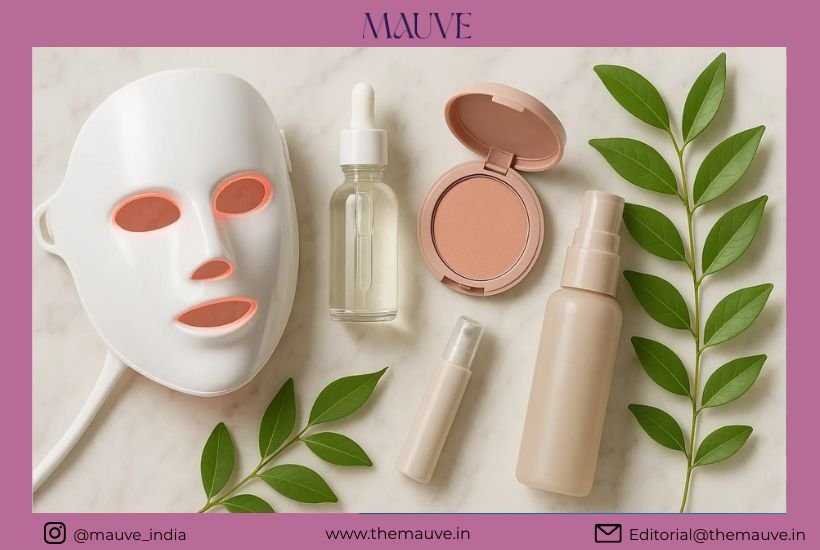
Beauty has always thrived on reinvention. One decade celebrates matte lipsticks, another obsesses over glass skin. But 2026 has introduced a different kind of innovation—one that feels less like incremental product development and more like performance art. Scroll through TikTok or Instagram Reels for a few minutes and you’ll encounter glowing LED masks that resemble science-fiction costumes, blushes with the wobble of fruit jelly, and fragrances inspired by the comforting aroma of warm milk.
At first glance, these launches seem like internet gimmicks designed purely for virality. Yet beneath their unusual appearance lies a much larger transformation in the beauty industry. Consumers are no longer buying products solely for visible results; they’re investing in experiences, rituals, textures, and stories that can be shared as easily as they can be applied.
In an era where a product’s first impression is often made on a smartphone screen rather than a department store shelf, beauty brands are discovering that texture, spectacle, and sensory appeal can be just as powerful as ingredients. The rise of perfume milk, jelly blushes, and LED face masks isn’t simply another beauty trend—it’s evidence that beauty itself is evolving into entertainment.
Perfume Milk: The Fragrance Trend Nobody Predicted
If gourmand fragrances defined the past few years, perfume milk represents their natural evolution.
One of the biggest talking points of 2026 has been the emergence of fragrance products inspired by milk—not as literal dairy scents, but as soft, creamy, skin-like compositions that evoke comfort and intimacy. Viral fragrance label NOYZ helped accelerate the conversation with its Mylk De Parfum Body Milk, combining perfume with skincare ingredients such as hyaluronic acid to transform fragrance into a moisturising ritual.
The concept may sound unconventional, but its popularity reflects a broader shift in consumer preferences. Fragrance is moving away from bold projection and statement scents towards what industry experts describe as “skin scents”—subtle, comforting fragrances that feel personal rather than performative.
This fascination with lactonic notes is also deeply psychological.
During periods of uncertainty, consumers consistently gravitate towards products that evoke familiarity and emotional security. Gourmand fragrances—filled with notes reminiscent of vanilla, cream, warm desserts and milk—tap directly into nostalgia and comfort. They smell recognisable, reassuring and emotionally accessible.
The commercial opportunity is equally significant. The global gourmand fragrance market, valued at over $32 billion in 2025, is projected to grow substantially over the coming decade, encouraging brands to reinterpret edible-inspired fragrances across body lotions, haircare and hybrid skincare products.
Milk, in other words, has become more than a scent. It has become a beauty language.
⸻
Jelly Blushes and the Rise of the Texture Economy
Few beauty products have captured social media quite like the jelly blush.
Search interest has surged dramatically over the past year, driven largely by Milk Makeup’s Cooling Water Jelly Tint, whose translucent, bouncing texture made it irresistible for short-form video platforms.
Its appeal extends beyond colour.
The formula combines skincare ingredients like caffeine and seawater with sheer, buildable pigment, creating a product that functions equally as makeup and skincare. More importantly, it photographs beautifully.
That distinction matters.
Beauty products today are increasingly designed not just for application, but for content creation. A blush that jiggles, stretches and catches the light naturally generates curiosity, encouraging users to film reaction videos before they even discuss performance.
This reflects what marketers increasingly describe as the texture economy.
Consumers are searching not only for foundations or lipsticks, but for finishes and textures:
- Jelly
- Cloud
- Butter
- Milk
- Glaze
- Balm
- Soufflé
Texture has become branding.
Rather than communicating efficacy through lengthy ingredient lists, brands now communicate through sensory experience. The visual and tactile identity of a product often becomes its strongest marketing asset, generating millions of organic impressions before traditional advertising even begins.
As expected, the trend has already expanded beyond blushes into pH-reactive formulations, jelly lip tints and gel-based skincare, proving that once consumers embrace a texture, entire product categories quickly follow.
⸻
LED Face Masks: When Science Meets Self-Care
Few beauty products appear stranger than an illuminated LED face mask.
Looking somewhere between a futuristic helmet and a superhero costume, these devices initially gained attention because of their unusual appearance. Today, however, they represent one of beauty technology’s fastest-growing categories.
The shift reflects changing consumer behaviour.
Rather than booking regular professional treatments, many consumers are investing in high-quality at-home skincare devices that promise convenience alongside advanced technology.
Modern LED face masks use different wavelengths of light for different skincare concerns:
- Red light is commonly used to support overall skin appearance and collagen production.
- Blue light is typically associated with blemish-prone skin.
- Near-infrared light penetrates more deeply and supports broader skin recovery processes.
While dermatologists generally acknowledge that LED technology has scientific potential, regulators continue to scrutinise exaggerated advertising claims. Several campaigns promoting LED masks as medical treatments for acne or rosacea have faced regulatory action for overstating clinical benefits.
Even so, consumer demand continues to rise—not simply because of efficacy, but because these products transform skincare into a ritual.
Using an LED mask feels intentional. It slows routines down. It creates a sense of investment in personal wellbeing, something increasingly valued in today’s wellness-driven economy.
⸻
Beauty Is Becoming Entertainment
The popularity of these seemingly unusual products reveals something much larger than changing aesthetics.
Beauty has entered what might best be described as the experience economy.
Consumers no longer purchase products solely because they work. They buy products because they create rituals, spark curiosity and invite participation.
A perfume becomes memorable because it resembles skincare.
A blush becomes desirable because it bounces like dessert.
An LED mask becomes aspirational because it transforms a bedroom into something resembling a luxury facial clinic.
Social media has accelerated this evolution.
Platforms like TikTok reward products that stop users mid-scroll. Texture, movement and surprise perform better than static packaging or technical ingredient explanations. Consequently, brands increasingly design launches with cameras in mind, ensuring every application becomes shareable content.
Virality today isn’t accidental—it’s built into product development itself.
⸻
What This Means for the Future of Beauty
Although many of these launches may appear playful, they signal a profound shift in how beauty brands innovate.
The next generation of successful products will likely combine multiple disciplines simultaneously:
- Skincare with fragrance
- Makeup with wellness
- Technology with luxury
- Science with storytelling
For brands, innovation is no longer measured only by formulation. It is measured by memorability.
For consumers, beauty is becoming increasingly multisensory—something to see, touch, experience and share.
Perhaps that’s the biggest transformation of all.
The industry’s strangest products aren’t succeeding despite being unconventional; they’re succeeding because they create emotion before they create results. In today’s attention economy, texture has become storytelling, rituals have become content, and even the weirdest ideas can redefine what luxury beauty looks like.
⸻
SEO Title
Perfume Milk, Jelly Blush & LED Masks: Why These Viral Beauty Trends Are Taking Over 2026
Meta Description
Discover why perfume milk, jelly blushes and LED face masks are the biggest viral beauty trends of 2026, and what they reveal about the future of skincare, fragrance and beauty innovation.
Suggested URL
viral-beauty-trends-2026-perfume-milk-jelly-blush-led-masks
FAQs
What is perfume milk?
Perfume milk is a hybrid beauty product that combines fragrance with body-care benefits, offering skin-nourishing ingredients alongside soft, lactonic scents inspired by milk and creamy gourmand notes.
Why is jelly blush trending?
Jelly blushes have become popular because of their unique bouncy texture, dewy finish and social media appeal. Their sensory experience makes them highly shareable on platforms like TikTok and Instagram.
Do LED face masks actually work?
LED face masks use different wavelengths of light that may support various skin concerns. While research supports certain applications, results vary, and they should not replace professional dermatological treatment for medical conditions.
What are the biggest beauty trends of 2026?
Some of the biggest beauty trends include perfume milk, jelly blushes, LED face masks, hybrid skincare-makeup products, sensory beauty experiences and beauty technology for at-home use.
Why are unusual beauty products going viral?
Consumers increasingly seek products that combine effectiveness with entertainment. Unique textures, innovative formats and visually engaging rituals make these products highly shareable on social media while delivering practical beauty benefits.
This version aligns more closely with The Mauve Standard by widening the discussion beyond individual products into consumer psychology, business strategy, luxury, and the future of beauty, while also strengthening search intent and evergreen SEO. Seo article format.txt