
By Ronak Shah, Vice President – Product & Business Innovation, Ronak Optik India
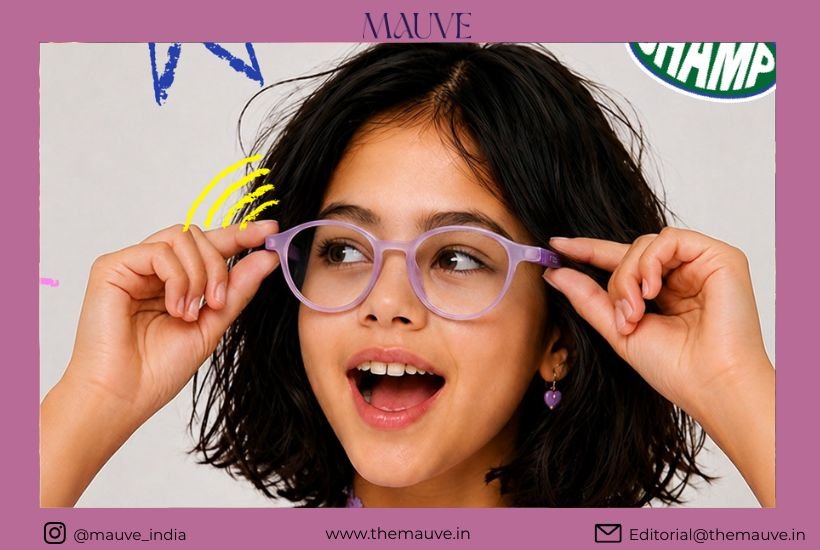
Choosing eyewear for children goes beyond finding a frame that looks good. The right pair should offer a comfortable fit, withstand everyday adventures and help children feel confident wearing their glasses. From school hours and playtime to outdoor activities, several factors deserve consideration before parents make a choice.
Here is what to keep in mind when selecting eyewear for your child.
1. Begin with the Right Fit
Fit is one of the most important considerations when choosing children’s eyewear. Frames should sit comfortably on the bridge of the nose without slipping, pinching or leaving excessive pressure behind the ears. They should also remain securely in place during everyday activities.
A parent’s tip: Ask your child to try on the frames and move their head naturally. If the glasses repeatedly slide down or require constant adjustment, the fit may need to be reconsidered.
2. Look for Lightweight Yet Durable Materials
Children rarely sit still for long, and their eyewear needs to accommodate an active routine. Lightweight frames can make extended wear more comfortable, while durable construction helps them withstand the demands of school, play and everyday handling.
Flexible materials may be particularly useful for younger children, provided the frames are appropriately constructed and suited to their needs.
The goal is to find eyewear that feels light on the face without compromising on durability.
3. Make Everyday Comfort a Priority
Even the most stylish frames may remain unused if they feel uncomfortable. The nose bridge should sit properly, the frame should not press against the cheeks, and the temples should feel secure without being excessively tight.
For younger children, a stable fit is especially important because they may not always recognise discomfort or adjust their glasses correctly.
A parent’s tip: Let your child wear the frames for a few minutes before making a decision. Ask whether anything feels tight, heavy or uncomfortable, and have the fit adjusted where necessary.
4. Match the Eyewear to Your Child’s Routine
A child who wears prescription glasses throughout the day has different needs from one who requires eyewear primarily for specific activities. Consider how the glasses will be used during school, reading, sports and outdoor play.
For outdoor use, sunglasses with lenses offering 100% UVA and UVB protection can help protect young eyes from ultraviolet radiation. Prescription sunglasses, where needed, should be selected with guidance from an eye-care professional.
Understanding your child’s daily routine can help narrow the choices to frames that are practical as well as comfortable.
5. Choose a Size That Suits Their Face
Children’s faces continue to grow, making frame size an important consideration. The frames should provide appropriate coverage without extending excessively beyond the face. The pupils should be positioned correctly within the lenses, and the lower edges of the frames should not rest on the cheeks when the child smiles.
Choosing a larger frame simply in the hope that a child will grow into it may compromise comfort and, in the case of prescription eyewear, proper positioning.
A well-fitted pair is a better investment in everyday usability than one selected primarily for future growth.
6. Let Your Child Express Their Personal Style
Practical considerations matter, but so does personal preference. Children are often more enthusiastic about wearing glasses when they have a say in how they look.
Invite your child to explore different colours, shapes and designs, while keeping the final selection within options that fit properly and meet their visual needs.
Whether they prefer bright colours, playful details or understated designs, allowing them to participate in the decision can make eyewear feel less like an obligation and more like an expression of their personality.
The Takeaway
Choosing the right eyewear for children is about bringing together fit, comfort, durability and personal style. Parents should look beyond appearance to ensure that the frames suit their child’s face, age and everyday routine. When prescription lenses are involved, professional guidance remains essential to help ensure the eyewear meets the child’s visual needs.
With EDGE BY IRUS, parents can explore eyewear options while keeping comfort, practicality and individual style at the centre of the decision. After all, the best pair is one that not only looks good but also feels right for a child’s everyday world.