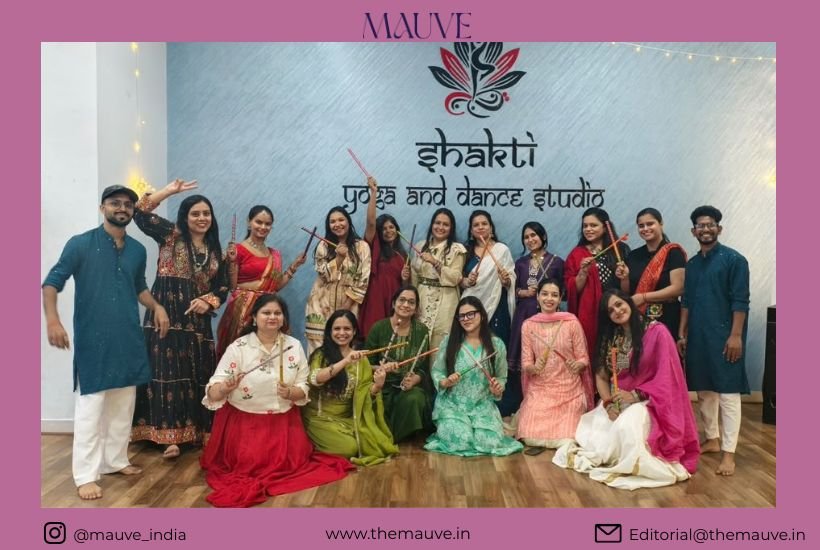
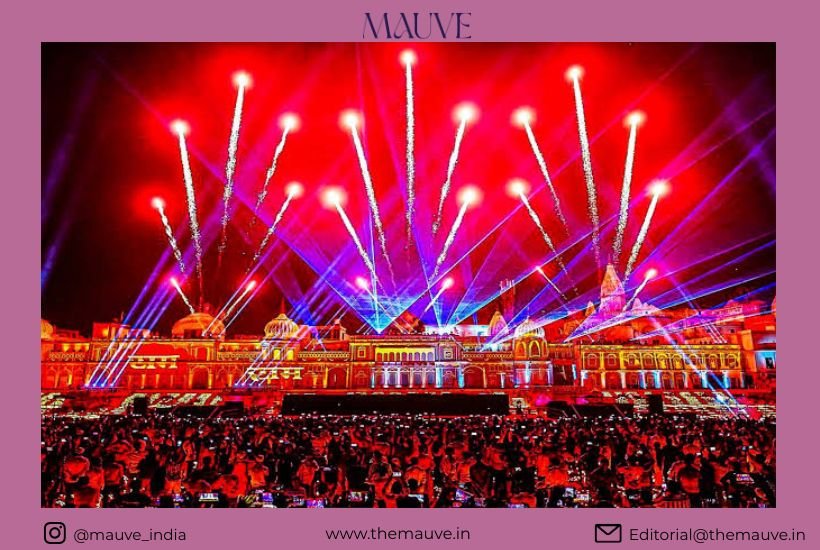
From glowing diyas and intricate rangoli to family rituals and generations-old traditions, Deepavali’s global recognition celebrates a cultural legacy that has always belonged to the people who keep it alive.
Every year, as dusk settles and rows of diyas begin to illuminate Indian homes, Diwali transforms more than streets and courtyards. It brings families together, revives cherished rituals and fills communities with a familiar sense of renewal. Now, this deeply rooted tradition has received international recognition: UNESCO inscribed Deepavali, also known as Diwali, on its Representative List of the Intangible Cultural Heritage of Humanity in December 2025.
The announcement, made during UNESCO’s 20th session of the Intergovernmental Committee for the Safeguarding of the Intangible Cultural Heritage at Delhi’s Red Fort, marked an important moment for India’s cultural heritage. Deepavali became the country’s 16th element on the list, joining traditions such as yoga, Durga Puja in Kolkata and the Kumbh Mela.
But this recognition goes beyond the familiar spectacle of illuminated homes and festive celebrations. It acknowledges the living traditions, shared practices and community participation that allow Diwali to travel across generations.
More Than a Festival of Lights
Diwali is widely associated with the triumph of light over darkness and good over evil. Celebrated across India and by communities around the world, the festival also carries meanings of prosperity, gratitude, renewal and new beginnings.
Its observance varies across regions, families and religious traditions. For many, preparations begin days in advance, with homes cleaned, entrances decorated with rangoli and earthen lamps arranged in courtyards, balconies and windows. Families exchange sweets and gifts, prepare festive meals, offer prayers and gather to celebrate.
The festival is also observed by communities beyond Hinduism, including Sikhs and Jains, with distinct histories and meanings attached to the occasion. This diversity is part of what makes Deepavali a significant expression of India’s living cultural heritage.
UNESCO’s recognition highlights the festival’s role in bringing people together through shared meals, music, dance, rituals and acts of generosity. Rather than treating culture as something preserved only in monuments or museums, the inscription acknowledges traditions that continue to evolve through everyday participation.
The Hands Behind the Celebration
Behind Diwali’s luminous visual identity is an extensive network of people whose work sustains its traditions.
Potters shape the diyas that line doorsteps. Artisans create decorative objects and festive ornaments. Sweet makers prepare delicacies associated with regional celebrations, while farmers, traders and small businesses contribute to the seasonal economy. Families and community groups pass down recipes, rituals, stories and ways of celebrating that may be centuries old.
These practices are not simply accessories to the festival. They are part of the cultural knowledge that gives it continuity.
UNESCO’s recognition draws attention to the role of communities in safeguarding this heritage, acknowledging that the festival is sustained not by a single institution but by millions of people who practise, share and reinterpret its traditions. <Cite refs={[“turn586967search0″,”turn586967search5”]}/>
A Global Recognition of Living Heritage
UNESCO’s Intangible Cultural Heritage list is designed to raise awareness of cultural practices and traditions passed from one generation to another, while encouraging their safeguarding for the future.
Unlike the UNESCO World Heritage List, which includes sites of outstanding cultural or natural significance, the intangible heritage list recognises living expressions of culture. These can include performing arts, rituals, festivals, craftsmanship and traditional knowledge.
Deepavali’s inscription therefore does not designate a physical landmark. Instead, it recognises the cultural significance of a festival whose identity is carried through people, practices and collective memory.
The nomination was prepared by the Sangeet Natak Akademi under the Ministry of Culture, with community participation forming an important part of the process. The decision was announced during the committee’s December 2025 session in New Delhi.
What the Recognition Means for India
For India, Diwali’s place on the international heritage list is an opportunity to bring greater visibility to the cultural traditions that shape the country’s identity.
It also draws attention to the importance of safeguarding the knowledge and livelihoods connected to festivals. Supporting traditional craftspeople, documenting regional practices, encouraging younger generations to participate and preserving the diversity of local celebrations are all part of keeping such heritage meaningful.
The recognition may also introduce more international audiences to the different ways Deepavali is celebrated, from regional rituals and traditional sweets to the art of rangoli and the symbolism of the diya.
Yet the essence of the festival remains close to home. Its cultural value lies as much in a family passing down a ritual as it does in the festival’s global visibility.
A Tradition That Continues to Glow
Some cultural milestones are defined by grand ceremonies. Others are found in the quiet repetition of familiar acts: a lamp being lit at the entrance, sweets being shared with neighbours, a child learning to make rangoli or relatives gathering around a festive meal.
Diwali’s UNESCO recognition brings international attention to these moments and to the communities that sustain them.
The honour is not only a celebration of a festival’s past. It is a reminder that cultural heritage remains alive when people continue to practise it, adapt it and pass it on.
For a festival whose symbolism centres on light, the recognition feels fitting. Deepavali’s glow may begin in individual homes, but its traditions now have another place in the shared cultural story of humanity.
Source acknowledgement: This article is independently written with reference to reporting by Deutsche Welle (DW) and official UNESCO and Ministry of Culture information.