From a 45-minute Baraat and Shree Yantra-inspired seating to contemporary interpretations of classical dance, Tamarind Global Weddings transforms a gala dinner in Udaipur into an immersive showcase of India’s wedding traditions.
An Indian wedding is rarely just an event. It is a coming together of rituals, colours, music, food and emotions, where every detail carries a meaning and every celebration unfolds like a story. At DWP Congress 2026 in Udaipur, Tamarind Global Weddings brought this layered cultural experience to an international audience, reimagining the traditional Indian wedding through a contemporary, immersive gala evening.
Held on October 12 at Jashn Bagh, Fairmont Udaipur, the gala was curated by Tamarind Global Weddings as the main Gala Dinner Event Partner for the global gathering of wedding planners and industry professionals. Tamarind Global Holidays served as the main destination management company (DMC) partner, overseeing transportation and logistics.
Rather than following a conventional gala format, the evening drew inspiration from the many elements that make Indian weddings distinctive, translating them into an experience shaped by design, performance, ritual and hospitality.
A Baraat That Set the Stage
The celebrations began with a 45-minute Baraat, bringing the movement, music and exuberance of an Indian wedding procession to the forefront. It was an introduction to a celebration in which guests were invited to experience the traditions rather than simply observe them.
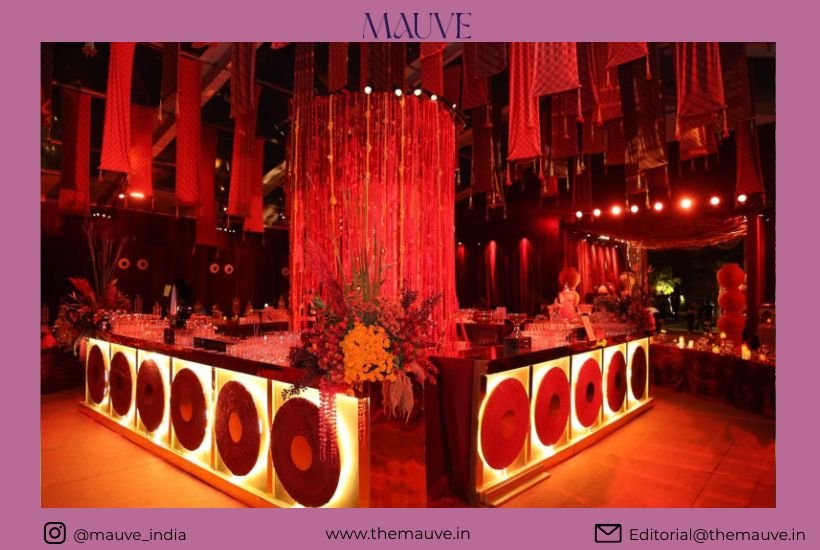
From the procession, attendees moved into a specially constructed, air-conditioned venue at Jashn Bagh, Fairmont Udaipur. Created from the ground up to accommodate approximately 300 guests, the space spanned an estimated 15,000–20,000 square feet.
The setting became a canvas for an interpretation of Indian wedding design that drew from traditional symbolism while embracing contemporary production. Colours, lighting, flowers, textiles and music established the visual and sensory language of the evening, while carefully selected cultural elements gave the experience a deeper connection to Indian customs.
Where Every Detail Carries Meaning
At the heart of the gala was the idea that the Indian wedding experience extends beyond its visual spectacle. Alongside the décor, floral arrangements and lighting, Tamarind Global Weddings incorporated elements of ritual and symbolism that have long been part of Indian celebrations.
Mauli threads, Prasad, Alankaar and Kumkum featured as expressions of traditions embedded in wedding culture. A Shree Yantra-inspired seating arrangement symbolised harmony and union, while a Mauli Wishing Tree invited guests to tie a thread and make a wish.
A Doli-inspired photo opportunity brought another familiar wedding element into the setting. The Sindoor and Mangalsutra ceremonies, accompanied by fireworks, added moments of traditional symbolism to an evening otherwise shaped by international production sensibilities.
Together, these details offered the visiting wedding professionals an opportunity to explore the cultural significance behind the aesthetics of Indian celebrations. The intention was not simply to recreate a wedding setting, but to demonstrate how rituals, design and guest participation can come together to tell a more meaningful story.
Indian Performance, Reimagined for a Global Audience
Entertainment played an equally important role in shaping the evening’s progression. Rather than relying on a single performance style, the programme brought together different Indian dance traditions with contemporary influences.
Ghoomar Meets West offered a modern interpretation of Rajasthan’s celebrated folk dance, while Chhau introduced audiences to a performance tradition known for its distinctive movement and martial-art influences. Electro Bharatanatyam paired the vocabulary of classical Indian dance with contemporary sounds, creating a dialogue between heritage and modern expression.
Later, live band A26 took over the stage, shifting the atmosphere towards a more energetic celebration and bringing the dinner to a lively close.
The sequence reflected the diversity of Indian performance traditions and their potential to be presented in formats that resonate with audiences from different cultural backgrounds, without losing their connection to their origins.
Speaking about the experience, Mahesh Shirodkar, Managing Director, Tamarind Global, said, “For us, the idea was to show what an Indian wedding can feel like when its traditional elements are presented in a new setting. We did not want the evening to follow a fixed gala format. The Baraat, the design, the performances and the music were planned to take guests through different moods, much like a wedding celebration itself.”
The Art of Details and the Story Behind Them
The experience was also shaped by the finer details. Tables featured thoughtfully sourced florals, textiles, brass accents and banana leaves, while lighting transformed the character of the venue as the evening progressed.
These design decisions highlighted the range of visual and material elements available to planners working with Indian wedding traditions. Rather than treating décor as a backdrop, the gala used it as part of the larger narrative, connecting the setting with the rituals, entertainment and guest experience.
The event also brought Tamarind Global Weddings’ Follow the Thread pre-event campaign to life. In the lead-up to DWP Congress, the campaign had gradually revealed clues about the evening’s concept, introducing individual elements such as the Mauli thread, venue, entertainment and décor without disclosing the entire experience.
The gradual reveal mirrored the way the gala itself unfolded, allowing individual details to build anticipation before coming together as a cohesive celebration.
India’s Wedding Heritage on an International Stage
For a global gathering of wedding professionals, the gala offered a glimpse into the many possibilities of Indian wedding curation, where regional traditions, symbolic rituals, elaborate production and contemporary entertainment can coexist.
It also demonstrated how the familiar components of a wedding can be reinterpreted for different audiences and settings while retaining their cultural relevance. The Baraat became an opening spectacle, traditional symbols encouraged participation, and performances connected classical and folk influences with contemporary production.
With Tamarind Global Weddings leading the gala experience and Tamarind Global Holidays managing destination logistics, the evening brought together creative curation and operational planning within a single international event.
Ultimately, the celebration in Udaipur was an invitation to look beyond the grandeur often associated with Indian weddings and discover the stories that give them their meaning.
Because when tradition is presented with imagination and intention, a wedding celebration can become more than a spectacle. It can become an experience that stays with its guests long after the music fades.