
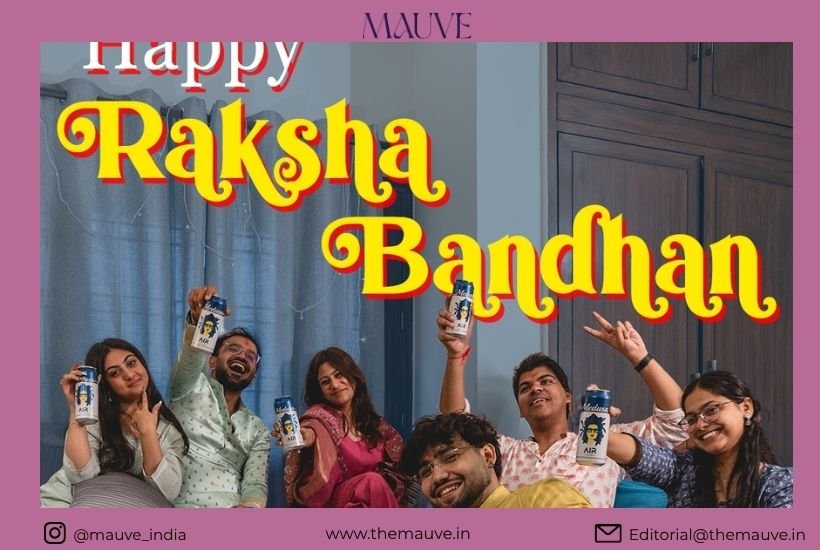
Medusa Beverages’ Raksha Bandhan campaign taps into a simple truth about modern celebrations: the moments we remember rarely arrive wrapped in a box.
There is something wonderfully predictable about Raksha Bandhan. The rakhi is tied, sweets make their annual appearance, photographs are taken, and somewhere between the rituals and the gift envelopes, siblings inevitably return to being exactly who they have always been with each other.
The teasing begins. Someone brings up an embarrassing childhood story. A brother complains about the rakhi. A sister demands her gift. And eventually, the formal celebration gives way to the far more familiar territory of eating, laughing and simply spending time together.
That shift—from the ritual to the relationship—is where Medusa Beverages has placed its latest Raksha Bandhan campaign.
Titled around the thought “It’s not the gift that matters, but the memories you make,” the digital film moves away from the conventional grammar of festive advertising, where love is often expressed through increasingly elaborate gifts. Instead, it asks a more relatable question: years from now, will anyone really remember what was inside the envelope?
They may remember what happened afterwards.
When Raksha Bandhan Becomes About the After-Party
The film begins with a recognisable Raksha Bandhan scene: siblings gathering for the rituals, rakhis being tied, sweets being exchanged and gift envelopes making their appearance.
Then comes the more interesting part.
The sisters quietly decide to use their gift money to organise a small celebration on the terrace. What begins as a private plan gradually becomes a larger gathering as the brothers join them. Soon, the terrace becomes less of a backdrop and more of the centre of the celebration—filled with food, drinks, laughter and the kind of sibling conversations that rarely make it into carefully staged festive photographs.
It is an effective observation because sibling relationships are rarely polished.
They are built through years of shared jokes, arguments, alliances, teasing and unsolicited advice. The same person who irritates you most can also be the first person you call when something goes wrong.
Medusa’s campaign recognises that contradiction rather than trying to sentimentalise it.
The Shift From Gifting to Experiences
There is a larger consumer trend sitting underneath the campaign.
Festive marketing in India has historically been closely tied to gifting. Jewellery, fashion, electronics, sweets and increasingly personalised products all compete for a place within the festival economy. But celebrations are also becoming more experience-led, particularly among younger consumers who increasingly value what a product or occasion enables them to do rather than simply what it represents.
That is why campaigns centred around shared experiences, conversations and memories have become increasingly relevant.
A gift has a shelf life. A memorable evening does not necessarily have one.
Medusa’s storytelling therefore places the brand inside the occasion without making the product the occasion itself. The beer becomes part of a gathering rather than the reason for it.
That distinction matters.
The strongest contemporary brand campaigns often understand that consumers do not necessarily want brands to tell them what to celebrate. They want brands to recognise the way they are already celebrating.
Why Sibling Advertising Works So Well
Siblinghood is particularly fertile territory for storytelling because it is almost universally understood, yet deeply personal.
Unlike romantic relationships, which advertising often presents through grand gestures, sibling relationships are usually communicated through familiarity. The humour comes from knowing someone too well. The affection is often hidden inside an insult. And the most meaningful moments are frequently the least cinematic.
A sister stealing a brother’s food can be as representative of the relationship as a formal family photograph.
A brother complaining about spending money can be as predictable as the rakhi itself.
And a terrace gathering that nobody planned weeks in advance can ultimately become the story everyone remembers.
Medusa’s campaign uses this everyday familiarity to make Raksha Bandhan feel less like a marketing occasion and more like a social ritual that people already recognise.
A Brand’s Role Is Changing
For consumer brands, especially those operating in lifestyle categories, festive marketing is no longer simply about attaching a product to a calendar date.
The more interesting challenge is finding the cultural tension within the occasion.
For Raksha Bandhan, it could be the evolution of sibling relationships. For another festival, it might be food, nostalgia, travel, fashion or family traditions. The brand then becomes a participant in that cultural conversation rather than simply an advertiser selling around it.
This is also why digital films have become such an important format for festive storytelling. Unlike traditional product-led advertising, a short narrative can create a world audiences recognise themselves in—and social platforms allow that story to travel through conversations, shares and reactions.
Medusa is extending the campaign across its digital and social media platforms, building on the film’s central idea of celebrating the experiences that make relationships memorable.
The Memory Is the Real Keepsake
There is an irony at the centre of Raksha Bandhan gifting.
The festival is built around a physical object—the rakhi—which symbolises an emotional relationship. Yet the meaning of that object comes entirely from what surrounds it: the person who ties it, the conversation that follows, the family gathering, the old jokes and the new memories.
Medusa’s campaign simply pushes that idea a little further.
The gift can mark the occasion. But the memory is what stays.
And perhaps that is where festive advertising is headed next—not towards bigger gifts, grander celebrations or increasingly elaborate productions, but towards stories that understand why people celebrate in the first place.
Because when the sweets are finished, the photographs are buried in camera rolls and the gift envelope has long been forgotten, it is usually the ridiculous terrace conversation, the sibling joke nobody else understood and the evening that went on much longer than planned that survives.
The best celebrations, after all, are rarely the ones you planned perfectly. They are the ones you end up talking about years later.


 GeorMuh says: