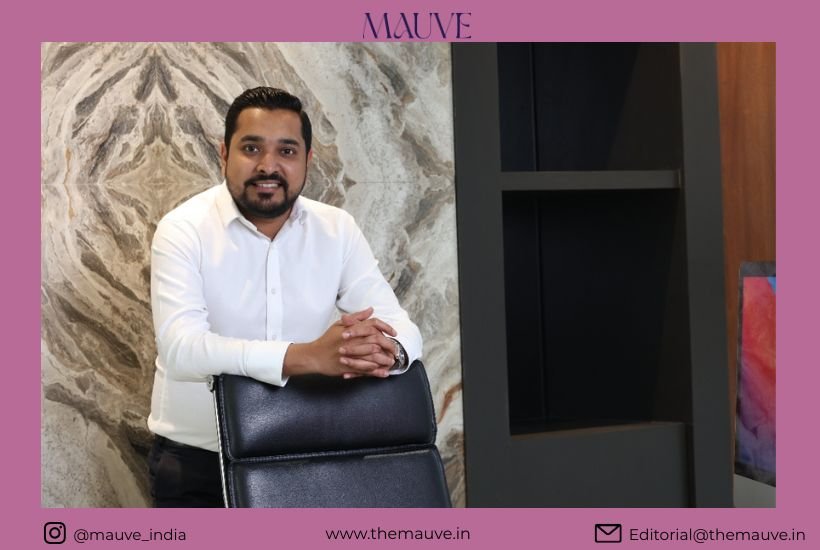
After three decades shaping how India discovers music and nightlife, Rohit Barker is creating a world of his own — where inventive cuisine, signature cocktails and the rhythms of Bengaluru come together above the city.
There was a time when discovering a new sound meant tuning into the right radio station, catching a music video at the right hour or finding yourself at a gig where the DJ knew exactly what you needed to hear next. Long before algorithms began curating our playlists, people like Rohit Barker helped shape the way India experienced music and the culture around it.
Now, that instinct for bringing people, sounds and experiences together finds a new expression at Bahati, a lifestyle destination perched above Bengaluru. Conceived around music, food, cocktails and a strong sense of place, the venue brings together the energy of a restaurant, the intimacy of a bar and the atmosphere of a lounge.
With sweeping views of Cubbon Park, UB City and Vidhana Soudha, Bahati marks a new chapter in Barker’s three-decade journey through music and culture. This time, however, he is not simply introducing people to a new sound. He is helping create the setting in which an entire evening can unfold.
A Space That Changes With the City
At Bahati, the experience is designed to evolve throughout the day. Glass shutters open the interiors to Bengaluru’s greenery and skyline, creating an atmosphere that feels connected to the city rather than removed from it. As daylight fades, the lighting deepens, colours become richer and music takes on a more prominent role, transforming the mood into something more immersive.
The interiors follow a similarly layered approach. Deep reds and burnt oranges sit alongside black, beige and earthy tones, while materials inspired by bark, stone, earth and foliage lend texture to the space. Polished granite, glass and metal meet animal-inspired fabrics and organic finishes, creating a setting that balances contemporary design with natural references.
Different corners offer different moods. Some invite quieter conversations; others are built for music, movement and the collective energy of a night out. Rather than prescribing one way to experience the venue, Bahati leaves room for the evening to find its own rhythm.
It is an approach that feels closely connected to Barker’s professional instincts: understanding that a memorable experience is rarely just about what is presented, but also about how people respond to it.
Three Decades of Understanding the Sound of a Crowd
Barker’s career began as the first radio jockey on India’s first private FM station, before he became a Channel V VJ and a familiar presence in the country’s house music and festival culture.
His journey unfolded during a period when radio, television and DJs played a defining role in introducing audiences to new artists, sounds and cultural movements. Music discovery was a shared experience, shaped by personalities, communities and the places where people gathered.
That understanding now informs Bahati’s identity.
“After almost three decades of being around music, nightlife and people, I’ve realised that the best nights are the ones you can’t quite plan,” says Rohit Barker, co-founder of Bahati. “You can set the scene, choose the music and get the food right, but it’s the people who give a place its energy.”
He describes Bahati as a space with its own character, but one that changes with the people who walk through its doors.
The philosophy is less about creating a perfectly choreographed evening and more about establishing the conditions for something memorable to happen. Music sets the tone, food encourages people to linger, and the room itself becomes part of the experience.
The Food: Familiar Flavours, Unexpected Turns
The culinary programme brings the same spirit of discovery to the table. Led by Chef Anil J Nair, whose experience includes working alongside Chef Manu Chandra at Lupa and with Michelin-starred culinary talent, the menu draws from Indian flavours, street food, family kitchens and contemporary global cuisine.
Rather than abandoning familiar dishes, the approach is to reinterpret them through unexpected combinations, contrasting textures and different techniques.
The small plates establish that direction early. Tandoori Pineapple pairs the fruit with black olive murabba and feta mousse, while Ghee Roast Chicken Golgappa brings together spiced chicken and a curd-rice mousse. Mutton Dosa adds another familiar reference, built around slow-cooked, spiced meat.
From the grill, Lobster à la Sigiri combines tandoori-marinated lobster with green chutney, bringing a recognisably Indian flavour profile to a premium seafood preparation.
The mains continue to move between culinary traditions. Duck Mapas draws on Kerala-style coconut and spice preparations, while Smoked Butter Chicken arrives with Malaysian roti jala. Sea Bass Pollichathu is paired with pearl couscous, and Bahati Mutton Biryani layers saffron, fried onion and whole spices into a classic built for sharing.
For Nair, the process begins with understanding the ingredient rather than forcing it into a predetermined idea.
“For me, it starts with the ingredient. I like to understand what it can do before deciding where the dish should go,” he says. “I’m not trying to change a dish completely; I’m looking for that point where it still feels familiar, but gives you something you didn’t expect.”
That balance between recognition and surprise is central to Bahati’s culinary identity. The dishes are intended to invite curiosity without losing the familiarity that makes people want to return to the table.
The Cocktails: A World of Their Own
If the food provides one route into Bahati’s personality, the cocktail programme offers another. Divided into three distinct sections, it moves between original creations, established classics and alcohol-free alternatives.
The first, House Concoctions, brings Indian ingredients into conversation with international and African influences. The drinks feature Swahili names that lend the menu a shared thematic thread.
CHUI, meaning leopard, combines reposado tequila and mezcal with charred pineapple, Kanthari chilli and lime. FAHARI, meaning pride, takes a richer route, bringing whisky together with dates, jaggery, cold brew, chocolate and Parmesan foam.
DHAHABU, meaning gold, pairs aged rum with mango, passion fruit, saffron, vanilla and coconut. MIZIZI, meaning roots, combines Mediterranean and London dry gins with tomato and coriander for a savoury, herbaceous profile.
ROHO, meaning soul, brings together Cognac, rooibos and Nilgiri tea with lime and orange bitters, while MARIDADI, meaning elegant, combines Scotch whisky with coconut, rooibos tea and pandan.
For a fruitier expression, MREMBO, meaning beauty, pairs jamun vodka with mixed berries, apple and rosemary. ALMASI, meaning diamond, rounds out the selection with Alphonso mango and ginger gin, saline solution and orange bitters.
The second section moves into the history of cocktail culture, organised around three eras. Pre-Prohibition classics include the Martinez, Old Fashioned, Manhattan, Whisky Sour and French 75. The Prohibition selection features the Sazerac, Mary Pickford and Negroni, while the contemporary classics include the Penicillin, Tommy’s Margarita, Paloma, Picante de la Casa, Espresso Martini and Old Cuban.
For those who prefer to skip alcohol, the Sober Sips programme includes Virgin Mango Picante, Madras Spritz and Thai Lemonade. Its presence ensures that the ritual of ordering a considered drink remains part of the experience, regardless of preference.
Together, the three menus give the bar a personality that extends beyond a single signature serve, balancing experimentation with the familiarity of established favourites.
More Than a New Address
The idea behind Bahati ultimately extends beyond its views, interiors or menu. It is about belonging — to a city, to a particular moment and to the people sharing it.
For someone whose career has revolved around music, audiences and the culture of gathering, the move into a physical destination feels like a natural progression. Barker has spent decades understanding what makes people connect through sound and shared experiences. Bahati brings those instincts into a setting where food, design, cocktails and music can work together.
Its ambition is not simply to be a place to dine or drink, but a destination that changes character as the day turns into night and the people inside shape its atmosphere.
In a city with an evolving dining and nightlife scene, that sense of fluidity gives Bahati its point of view. The menu offers reasons to explore, the setting invites people to stay, and the music provides a thread connecting the experience.
For Rohit Barker, Bahati represents the next chapter in a career built around understanding what brings people together. The medium has changed, from radio waves and festival stages to a destination above Bengaluru, but the central idea remains the same: the best experiences are the ones people make their own.