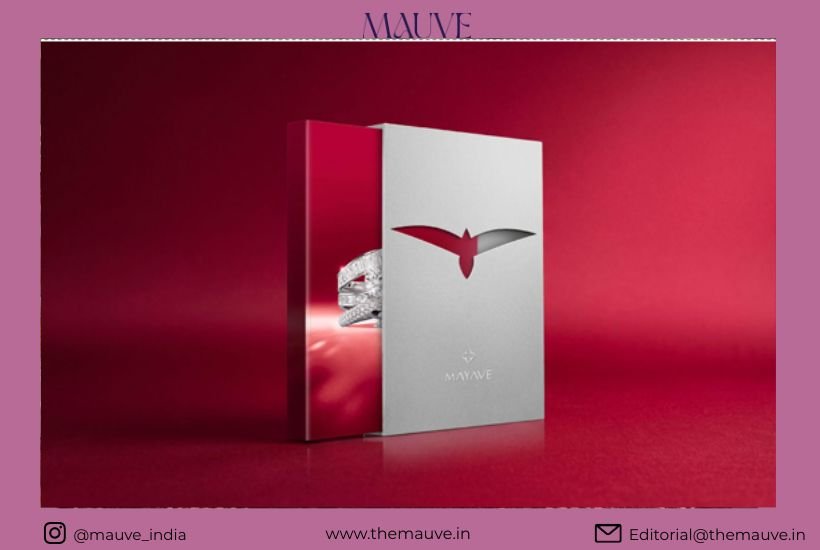
Created by HK Group in partnership with OPEN Strategy & Design, Mayavé Jewellery positions lab-grown diamonds as a new expression of contemporary luxury, where creative freedom takes precedence over convention.
For generations, diamonds have been sold on a singular promise: rarity makes them desirable. The idea has shaped everything from how the stones are priced to how they are gifted, worn and woven into the language of luxury. But as consumer expectations evolve, a new conversation is emerging around what makes a diamond valuable — and whether tradition needs to dictate desire.
Enter Mayavé Jewellery, a new brand from HK Group, the global lab-grown diamond manufacturer, developed in strategic and creative partnership with independent brand consultancy OPEN Strategy & Design. Launched in October 2026, the brand is making a case for lab-grown diamonds as a category in their own right, built around design possibilities, craftsmanship and the freedom to choose.
The ambition is not simply to offer an alternative to mined diamonds. It is to reconsider the conventions that have long defined the diamond-buying experience.
From Scarcity to Possibility
Luxury has traditionally relied on the power of the unattainable. In fine jewellery, that has often translated into a preference for conventional designs, familiar cuts and the symbolism of rarity. Mayavé proposes a different starting point: what if the appeal of a diamond lay as much in what designers could create with it as in the story traditionally attached to it?
Lab-grown diamonds open up possibilities for experimentation with scale, silhouettes and design. Mayavé builds its positioning around this creative freedom, encouraging a more individual approach to jewellery rather than one dictated entirely by established conventions.
The shift also speaks to a broader evolution in contemporary luxury, where personal expression and design identity increasingly shape how consumers engage with products. Jewellery becomes more than a marker of occasion or status; it becomes a way to articulate individual taste.
Building a Brand Beyond the Stone
To translate that proposition into a distinctive identity, OPEN Strategy & Design developed Mayavé’s brand positioning, naming, visual identity and packaging. The consultancy also provided creative direction for the brand’s presence across digital platforms and physical retail.
The work centres on establishing a coherent identity for a category that continues to develop its own language within the wider jewellery market. Beyond the product itself, the brand experience becomes part of the proposition: how jewellery is presented, how consumers discover it and how its design philosophy comes to life across different touchpoints.
For a new entrant seeking to distinguish itself in a competitive luxury landscape, that clarity matters. A compelling brand must communicate not only what it sells, but also why its approach deserves attention.
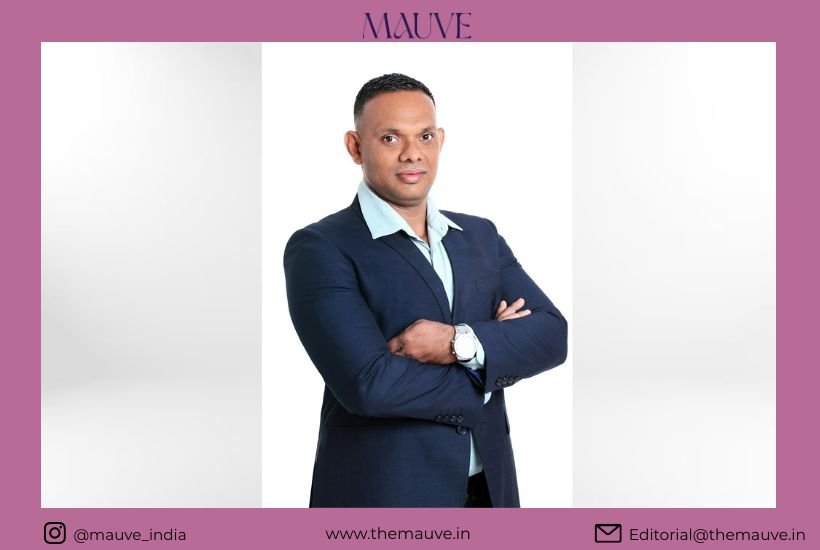
Dravya Dholakia, CEO of Mayavé Jewellery, explained that the intention was to create jewellery that feels relevant to modern consumers while retaining craftsmanship, emotional significance and longevity.
The goal, he said, was to ensure that the experience, design language and product aligned more closely with how people wear and connect with jewellery today.
A New Definition of Diamond Desire
For Mayavé, the opportunity lies in moving the conversation beyond comparison. Rather than framing lab-grown diamonds as substitutes for mined stones, the brand presents them as a medium for a different kind of design-led luxury.
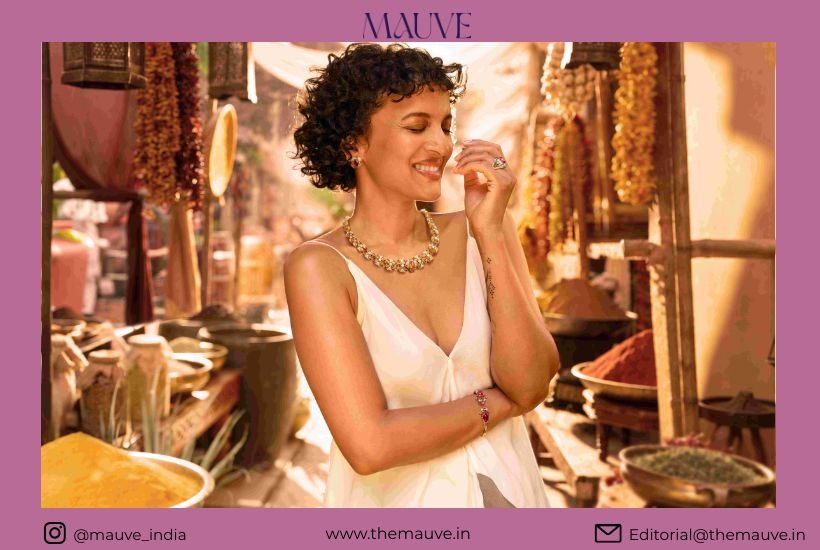
Backed by HK Group’s manufacturing scale, craftsmanship and advanced diamond-cutting expertise, the label is exploring bigger, bolder and more inventive designs. The emphasis is on giving creative ambition more room, with jewellery that can move beyond conventional proportions and familiar expectations.
Asparsh Sinha, Managing Partner at OPEN Strategy & Design, described the project as an attempt to move the category from compromise towards greater possibility.
The intention, he explained, was to challenge the mythology surrounding rarity and give consumers the freedom to choose what they genuinely desire.
It is a positioning that places design at the centre of the conversation, asking consumers to consider a diamond not only for its provenance or perceived exclusivity, but also for its aesthetic potential and personal meaning.
Where Contemporary Luxury Goes Next
Mayavé Jewellery arrives at a moment when the language of luxury is being reconsidered across categories, from fashion and watches to fine jewellery. Heritage and craftsmanship remain influential, but brands are increasingly exploring how individuality, innovation and changing consumer expectations can reshape established conventions.
For lab-grown diamonds, the opportunity extends beyond technological innovation. Building a distinctive luxury identity also requires a clear design point of view, a compelling consumer experience and a narrative that stands on its own.
With HK Group’s manufacturing expertise and OPEN Strategy & Design’s strategic and creative direction, Mayavé is positioning itself around that possibility.
Whether this approach reshapes consumer expectations will depend on how effectively the brand translates its philosophy into distinctive products and experiences. But its premise is clear: luxury need not be defined by scarcity alone.
Sometimes, the more interesting question is not how rare a stone is, but how much possibility it holds.
About Mayavé Jewellery
Mayavé Jewellery is a lab-grown diamond jewellery brand from HK Group, developed in strategic and creative partnership with OPEN Strategy & Design. The brand focuses on contemporary design, creative freedom and a fresh perspective on luxury jewellery.
About OPEN Strategy & Design
OPEN Strategy & Design is an independent brand consultancy that works across brand strategy and creative development. For Mayavé Jewellery, the consultancy developed the brand’s positioning, naming, visual identity and packaging, alongside creative direction for its digital and physical retail presence.