From Kolkata-inspired feasts in Goa and Kochi to traditional Navratri thalis in Delhi, hotels across India are bringing regional food traditions and festive rituals to the dining table.
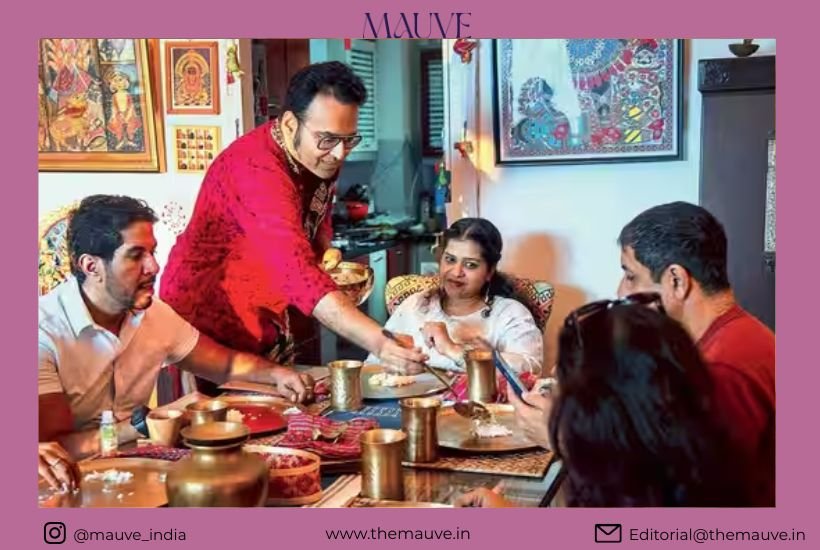
Festivals in India are as much about what is served as what is celebrated. The aroma of mustard-infused fish, the richness of kosha mangsho, the comfort of saboodana khichdi and the sweetness of mishti doi all carry stories of tradition, family and belonging. During the festive season, food becomes a language of its own — one that connects people to their cultural roots while creating opportunities to discover something new.
This October, hotels across India are embracing that connection through curated festive dining experiences. While some are bringing the culinary traditions of Bengal to destinations far from Kolkata, others are creating dedicated Navratri menus that celebrate the ingredients and preparations associated with fasting.
From Goa and Kochi to Pune, Bengaluru and New Delhi, these dining experiences reflect how hospitality brands are interpreting India’s diverse food traditions for a contemporary audience.
Bengal Takes Centre Stage: A Culinary Journey Across Cities
Novotel Goa Panjim: Kolkata Connection
Food Exchange, Goa | October 16–20, 2026
At Novotel Goa Panjim, Kolkata Connection returns following the response to its previous edition, bringing the flavours of Bengali Durgotsav to the coastal city.
The menu draws inspiration from Sarbojanin Puja traditions and the abundance of a traditional Bengali bhuribhoj. Shukto, bhetki paturi and chanar kaliya introduce diners to familiar regional preparations, while kosha mangsho, chingri malai curry, Basanti pulao and Kolkata chicken biryani bring the indulgence of a celebratory feast to the table.
Mishti doi sandesh completes the experience, reflecting the importance of sweets in Bengali festive dining.
With lunch priced at ₹1,199++ and dinner at ₹1,750++, the five-day festival offers a taste of Bengal for residents and visitors in Goa.
Timings: Lunch, 1 PM–4 PM; dinner, 7:30 PM–11:30 PM.
Reservations: +91 89568 56538.
Grand Hyatt Kochi Bolgatty: A Journey Through Bengal’s Iconic Flavours
Malabar Cafe, Kochi | October 11–19, 2026
At Grand Hyatt Kochi Bolgatty, Chef Dipanwita has curated a Bengali Food Festival that brings the culinary traditions of Eastern India to Kerala.
The selection includes Kolkata mutton biryani and chingri maccher malai curry, alongside regional preparations such as murti mol, baingan bahar and panch mishali torkari. Shoona mukhi, uchhe bhaja and lauer chop add further variety, while a Dacrea Lane chicken cutlet draws inspiration from Kolkata’s street-food culture. Papaya chutney rounds off the menu with a sweet and tangy accompaniment.
Priced at ₹2,799 plus taxes, the festival offers Kochi diners an opportunity to explore Bengali cuisine beyond its most familiar dishes.
Timings: 7 PM–11 PM.
Reservations: +91 75938 80405.
The experience is a regional culinary celebration rather than a dedicated Navratri fasting menu, highlighting how hotels use the festive calendar to introduce guests to India’s wider food heritage.
Sheraton Grand Pune Bund Garden Hotel: Subho Bijoya
Feast, Pune | October 23–30, 2026
At Sheraton Grand Pune Bund Garden Hotel, Subho Bijoya celebrates Bengali food traditions through a menu that brings street-food favourites together with dishes associated with home cooking.
The selection includes Kathi Rolls, Mochar Chop, Jhal Muri and Phuchka, alongside Dhokar Dalna, Chingri Bhapa, Potoler Dolma and Kumro Chokka.
Scheduled after Dashami, the festival draws on the spirit of Bijoya, when festive gatherings and the sharing of food continue the celebrations.
Price: Lunch ₹2,099++; dinner ₹2,249++.
Timings: Lunch, 12:30 PM–3:30 PM; dinner, 7 PM–11 PM.
Reservations: +91 772200 04877.
Sayaji Hotel Pune: A Bengali Food Festival at Portico
Portico, Pune | October 16–25, 2026
At Sayaji Hotel Pune, Portico is hosting a Bengali food festival that explores the richness of Kolkata’s culinary culture.
Kosha mangsho, Mutton Dak Bungalow, Daab Chingri and Chingri Malai Curry headline the selection. From slow-cooked meat preparations to seafood cooked with coconut and spices, the menu highlights the range of flavours that characterise Bengali cooking.
Timings: Dinner, 7 PM–11 PM.
Four Seasons Hotel Bengaluru: A Contemporary Pujo Feast
CUR8, Bengaluru | October 17–19, 2026
At Four Seasons Hotel Bengaluru, the Bengali festive experience brings together traditional dishes and dedicated culinary stations.
Kosha mangsho, cholar dal and Basanti pulao feature alongside a Pandal Chaat Corner, Thakur Bari Rannaghor, Kolkata Fish Fry Station and Bengali Grill Counter.
The format draws inspiration from both traditional Bengali kitchens and the street-food culture surrounding Durga Puja, offering guests a broader experience of the region’s culinary traditions.
Reported price: Approximately ₹4,000 for two.
DoubleTree by Hilton Bengaluru Airport: Pujor Bhoj
SAUS, Bengaluru | October 18–21, 2026
At SAUS, Pujor Bhoj brings together the varied flavours of a Bengali festive meal.
The menu features Aam Pora Shorbot, Gondhoraj Ghol, Mochar Chop, Hansher Dimer Devil, Puchka and Shukto, alongside kosha mangsho. Rosogolla, mishti doi and sandesh bring the experience to a sweet finish.
Reported price: Approximately ₹2,200++ per person.
The St. Regis Goa Resort: A Bengali Spread at Miri
Miri, Goa | October 19–20, 2026
At Miri, The St. Regis Goa Resort is marking the festive period with a Bengali-inspired spread featuring luchi and cholar dal, shukto, mochar ghonto, mangsho, Basanti pulao, bhapa fish and begun bhaja.
Mishti doi, rosogolla, sandesh and preparations inspired by nolen gur complete the selection, bringing the flavours of Bengal to the resort’s dining experience.
Reported price: ₹2,999++ per person.
The Navratri Table: Traditional Vrat Favourites in Delhi
Novotel New Delhi City Centre: A Curated Navratri Thali
Food Exchange, New Delhi | October 11–19, 2026
While Bengali food festivals celebrate the regional diversity of the festive season, Navratri menus take a different approach, focusing on the ingredients and dishes associated with fasting traditions.
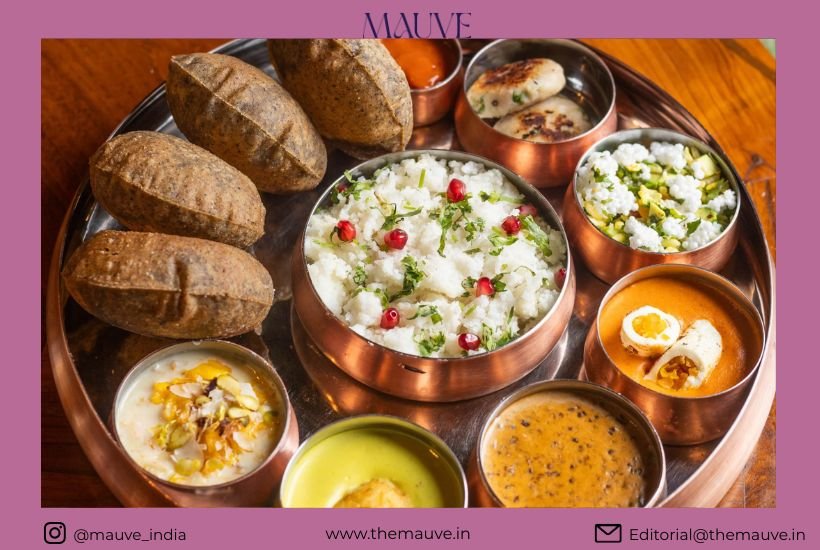
At Food Exchange, Novotel New Delhi City Centre, the Navratri Thali brings together familiar vrat favourites in a thoughtfully composed meal.
The opening selection features phool makhana roasted in ghee, shakarkandi chaat tossed with coriander and lemon, and saboodana vada seasoned with ginger, sendha namak and black pepper. A glass of lassi completes the first course.
The main course includes saboodana khichdi, vratwale rassedar aloo, masala arbi, khatta meetha kaddoo and samak rice pulao, served with kuttu atte ki poori. Fresh-cut fruits and lauki ka halwa conclude the meal.
Executive Chef Umesh Singh said the intention was to keep the menu familiar, comforting and flavourful while bringing together dishes guests traditionally look forward to during Navratri.
Priced at ₹1,295 plus taxes, the thali offers diners observing the season an opportunity to enjoy a complete festive meal in a restaurant setting.
Guests observing specific fasting rules should confirm ingredients and preparation methods with the restaurant.
Two Traditions, One Festive Dining Landscape
The Bengali food festivals and Navratri thalis may reflect different culinary traditions, but they share a common thread: the importance of food in shaping how festivals are experienced.
For Bengali communities living away from home, a plate of kosha mangsho, a serving of Basanti pulao or the sweetness of mishti doi can evoke memories of Puja celebrations and family gatherings. For those observing Navratri, a thoughtfully prepared thali can provide the comfort of familiar vrat dishes while accommodating the rituals of the season.
Hotels are responding to these varied expectations through different formats. Bengali food festivals use regional specialities, street-food favourites and traditional preparations to tell a culinary story, while Navratri thalis bring fasting-friendly dishes together in a single, structured meal.
Both approaches reflect an opportunity for hospitality brands to connect with guests through food that carries cultural significance.
They also underline the diversity of India’s festive calendar. The same season can bring together elaborate regional feasts and carefully observed fasting traditions, each with its own ingredients, customs and meaning.
Where to Dine This Festive Season
| Hotel and venue | Experience | Dates | Price |
|---|---|---|---|
| Novotel Goa Panjim, Food Exchange | Kolkata Connection | Oct 16–20 | ₹1,199++ lunch; ₹1,750++ dinner |
| Grand Hyatt Kochi Bolgatty, Malabar Cafe | Bengali Food Festival | Oct 11–19 | ₹2,799 plus taxes |
| Sheraton Grand Pune, Feast | Subho Bijoya | Oct 23–30 | ₹2,099++ lunch; ₹2,249++ dinner |
| Sayaji Hotel Pune, Portico | Bengali Food Festival | Oct 16–25 | Confirm with hotel |
| Four Seasons Hotel Bengaluru, CUR8 | Bengali festive spread | Oct 17–19 | Approximately ₹4,000 for two |
| DoubleTree by Hilton Bengaluru Airport, SAUS | Pujor Bhoj | Oct 18–21 | Approximately ₹2,200++ per person |
| The St. Regis Goa Resort, Miri | Bengali festive spread | Oct 19–20 | ₹2,999++ per person |
| Novotel New Delhi City Centre, Food Exchange | Navratri Thali | Oct 11–19 | ₹1,295 plus taxes |
Prices, availability and menu details should be confirmed directly with the hotels before visiting. The Bengali food festivals listed here are regional culinary celebrations and should not be assumed to offer fasting-compliant menus.
A Celebration That Begins at the Table
Food remains one of the most immediate ways to experience a festival. It connects generations, carries regional identities across cities and allows familiar traditions to find new expressions in changing settings.
This festive season, hotels across India are bringing these stories to the table — from the abundance of Bengali Puja feasts to the comforting simplicity of Navratri vrat dishes.
Whether it is a regional delicacy discovered for the first time or a familiar preparation that tastes like home, the festive dining experience ultimately rests on the same idea: food is not merely part of the celebration. It is one of the ways the celebration lives on.