
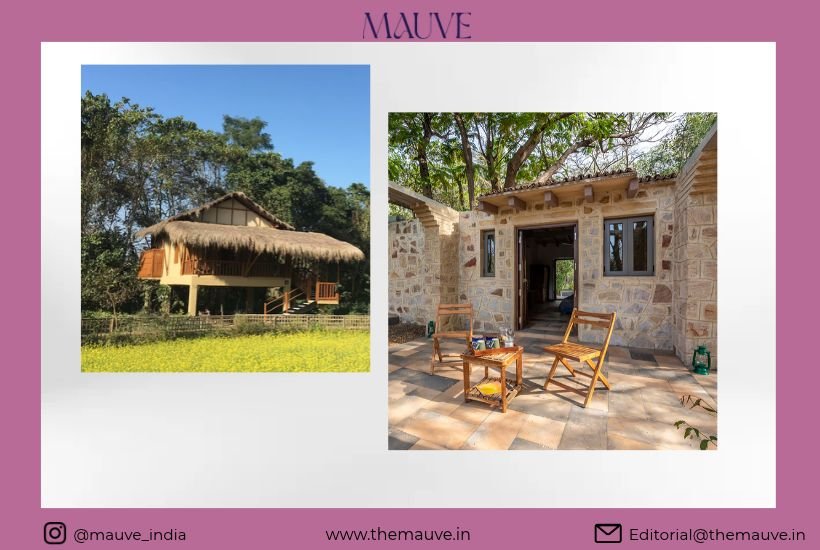
From river journeys through Karnataka’s forests to village trails in the Himalayas and the salt-swept wilderness of Gujarat, these experiences invite travellers to discover India’s natural landscapes at a slower, more immersive pace.
Winter has a way of changing the rhythm of travel. Mornings arrive wrapped in mist, wetlands welcome migratory birds, and forest trails become invitations to linger rather than simply pass through. Across India, the season offers a different perspective on the wilderness — one that extends beyond the familiar thrill of a safari to encompass river ecosystems, mountain communities and landscapes that reveal their character to those willing to slow down.
For travellers seeking a more considered encounter with nature, the experience can be as much about following a river, walking between villages or listening to the calls of birds as it is about spotting a wild animal. These four destinations offer a window into India’s diverse natural heritage, with stays and guided experiences that bring the surrounding landscape into focus.
01. Kabini, Karnataka: Follow the River into the Wild
<AsyncImageGroup query={[“Kabini River Karnataka misty forest river landscape”,”Evolve Back Kabini coracle ride backwaters”,”Kabini Karnataka wildlife birdwatching riverbank”]} aspectRatio=”5:4″ layout=”bento” size=”lg”/>
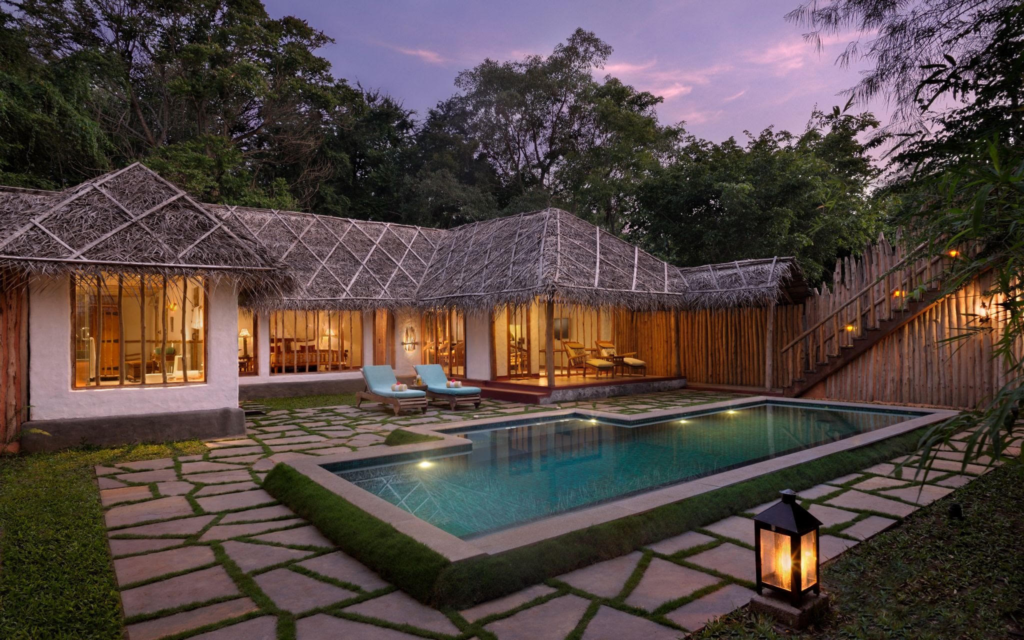
In Karnataka’s Kabini region, the river is as integral to the landscape as the forests that border it. Flowing alongside the wilderness areas of Nagarhole and Bandipur, the Kabini River creates a setting where wildlife, water and village life intersect. Beyond the traditional jeep safari, the region invites exploration from the river itself, along wooded paths and through the quieter countryside.
A boat excursion or guided birding outing offers a different vantage point, drawing attention to riverbank habitats, native vegetation and the birdlife that inhabits them. Naturalist-led walks can reveal animal tracks and smaller ecological details that might otherwise go unnoticed.
At , experiences include traditional coracle rides, bullock-cart journeys along the backwaters and guided night trails to look for nocturnal insects, amphibians and reptiles. The Spirit of Kabini excursion introduces guests to a nearby Jenu Kuruba settlement, offering a glimpse into the relationship between local communities and their surroundings.
Here, the wilderness is not simply a destination to drive through. It is a landscape best understood through its many interconnected lives.
02. Kaziranga, Assam: Discover the World Beyond the Rhino
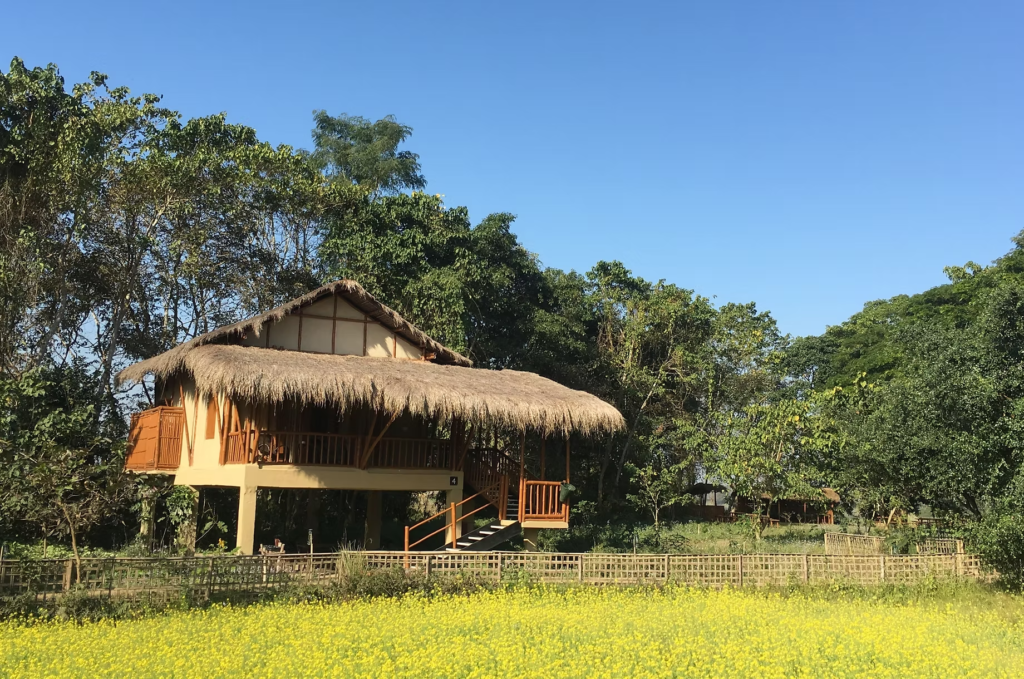
Kaziranga may be synonymous with the one-horned rhinoceros, but Assam’s floodplains have a much wider story to tell. Winter brings migratory birdlife to wetlands across the region, while grasslands, river channels and surrounding villages offer a more expansive view of the landscape.
At , birdwatching can begin close to the accommodation, with opportunities to observe the surrounding environment from a raised machan overlooking the river. Guided walks offer another way to explore the area, while excursions into Karbi Anglong introduce travellers to a different side of Assam through tea and rubber plantations, village visits and a picnic breakfast beside the Deopani River.
When conditions permit, a country-boat outing on the Brahmaputra extends the experience into one of India’s great river systems.
What makes the region distinctive is this interplay between wildlife and the wider landscape. The forests and grasslands may draw visitors to Kaziranga, but its wetlands, waterways and rural surroundings offer equally compelling reasons to stay longer.
03. Kumaon, Uttarakhand: Find the Himalayas on Foot
The Himalayas are often experienced through their grandest viewpoints: snow-covered peaks, dramatic mountain roads and challenging trekking routes. In Kumaon, however, a quieter kind of journey unfolds along village paths, forested ridgelines and terraced fields shaped by generations of mountain life.
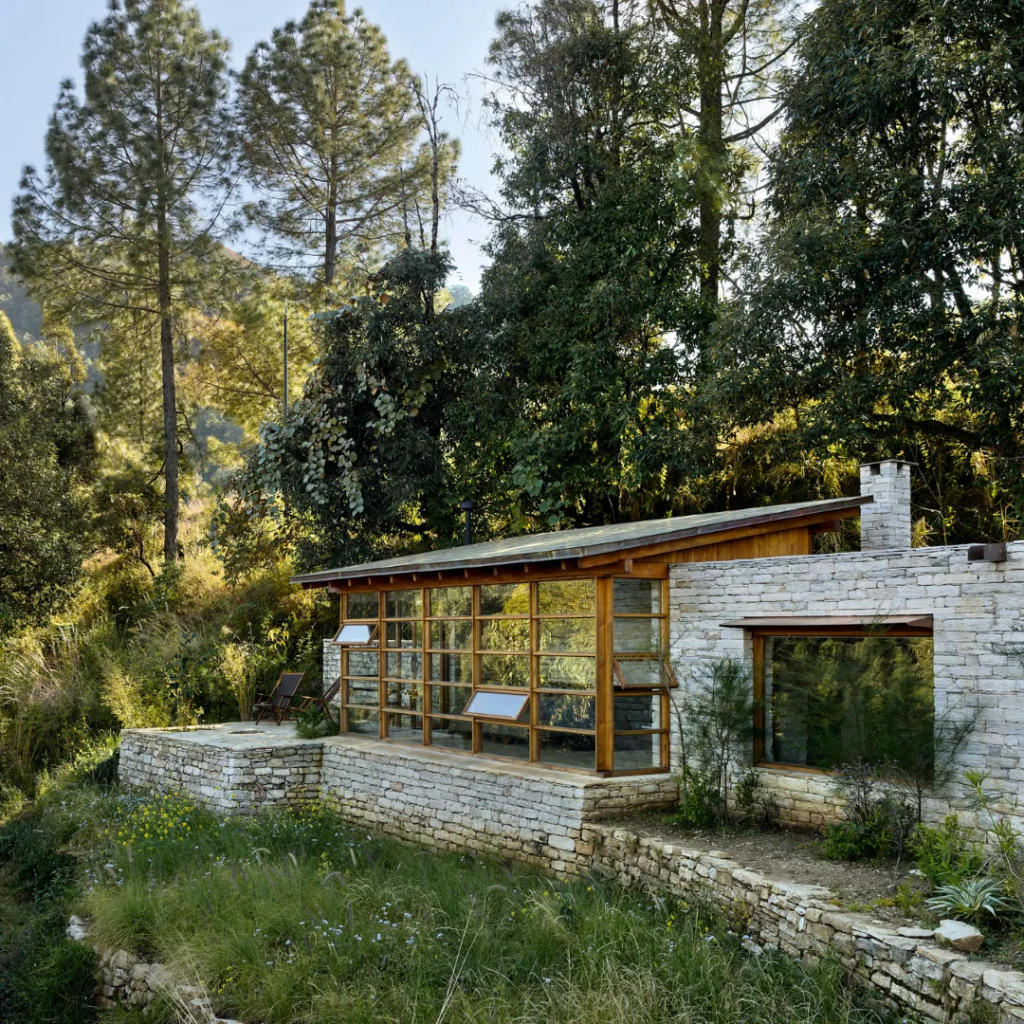
Walking between settlements offers an intimate understanding of the region’s terrain and culture. Traditional architecture, ancient temples and local food become part of the journey, revealing how communities have adapted to the rhythms of mountain living.
With , guided journeys through Kumaon combine village walks and cultural encounters with stays in traditional, solar-powered village houses. Routes can be adapted to different abilities, allowing travellers to experience the landscape without necessarily committing to strenuous treks.
The reward is not a single spectacular viewpoint, but the gradual unfolding of the mountains: the texture of a stone path, the changing light across terraced fields and the conversations that bring a place to life.
For travellers who prefer to understand a destination rather than simply photograph it, Kumaon offers a particularly rewarding winter escape.
04. Little Rann of Kutch, Gujarat: Explore the Beauty of the Bare Landscape
At first glance, the Little Rann of Kutch can appear almost otherworldly. Expansive salt flats stretch towards the horizon, interrupted by scrubland, grasslands and seasonal wetlands. Yet this seemingly austere environment supports an extraordinary variety of wildlife, including the Indian wild ass, nilgai, blackbuck and desert fox.
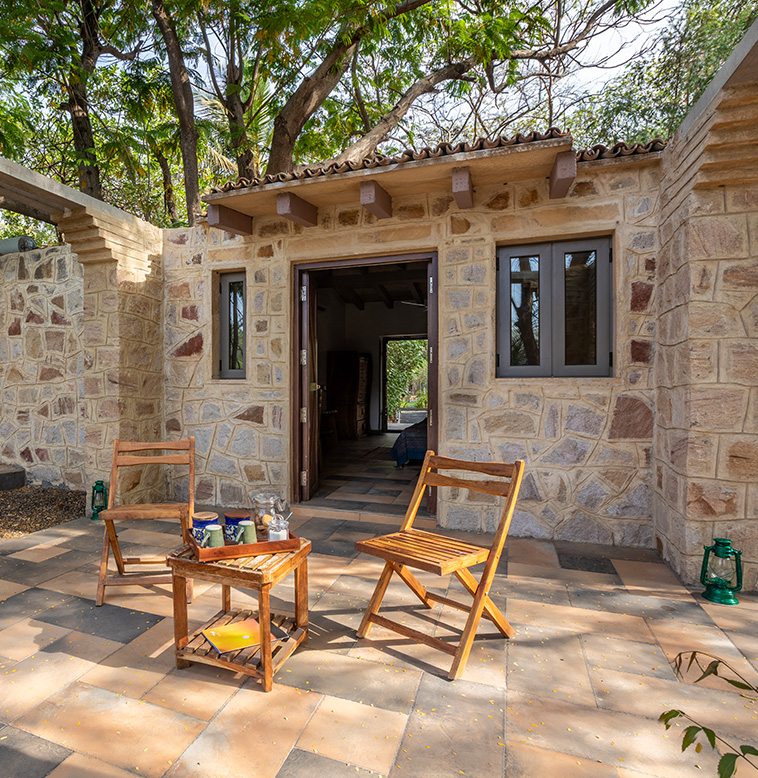
Winter offers comfortable conditions for exploring the region and observing the birdlife that gathers around its wetlands. From , guided excursions into the Little Rann of Kutch Wild Ass Sanctuary introduce visitors to the area’s distinctive habitats and the species adapted to them.
Depending on conditions, birdwatchers may encounter flamingos, larks and lapwings, while local guides explain how wildlife survives amid shifting water levels, saline ground and sparse vegetation.
The cultural landscape is equally compelling. Visits to Rabari and Mir communities and local handicraft centres reveal traditions of embroidery, beadwork and textile-making that reflect the region’s identity. Camel rides, cycling and walking excursions offer alternatives to conventional wildlife drives.
In the Little Rann, the absence of dense forests or towering mountains becomes part of the appeal. Its beauty lies in openness, subtle changes in colour and the remarkable life sustained by an apparently minimal landscape.
The Art of Travelling More Slowly
India’s winter wilderness offers no single definition of adventure. It might mean following a river through Karnataka’s forests, watching migratory birds gather in Assam, walking between Himalayan villages or discovering the wildlife of Gujarat’s salt flats.
What connects these experiences is a shift in perspective. By moving beyond the conventional safari itinerary, travellers can discover not only wildlife but also the ecosystems, traditions and communities that give each destination its character.
This winter, the most memorable journey may not be the one with the longest list of sightings. It may be the one that leaves enough room to notice what lies beyond them.