Conceptualised by Ogilvy, the Vijayadashami installation transforms Indriya’s Padmika necklace into an expansive grain artwork in Bengaluru, bringing together Indian craftsmanship, festive traditions and conscious creativity.
Bengaluru | 23 October 2026
What happens when the intricate artistry of fine jewellery meets the centuries-old tradition of Rangavalli? For Indriya, the Aditya Birla Group’s jewellery brand, the answer lies in an installation that brings together heritage, craftsmanship and sustainability in an unexpected form.
This Vijayadashami, Indriya unveiled what it describes as India’s largest sustainable jewellery Rangavalli, created using grains, millets and seeds at Orion Mall and Shri Sathya Ganapathi Shirdi Saibaba Temple in Bengaluru. Spanning 400 square feet at the mall and 1,600 square feet at the temple, the installations reinterpret an iconic design from the brand’s festive jewellery collection, Padmika, as an expansive celebration of Indian artistry.
Conceptualised by Ogilvy, the activation transforms a piece of fine jewellery into a community-centred cultural experience, connecting the visual richness of traditional jewellery with the familiar beauty of festive floor art.
The art of Padmika, reimagined
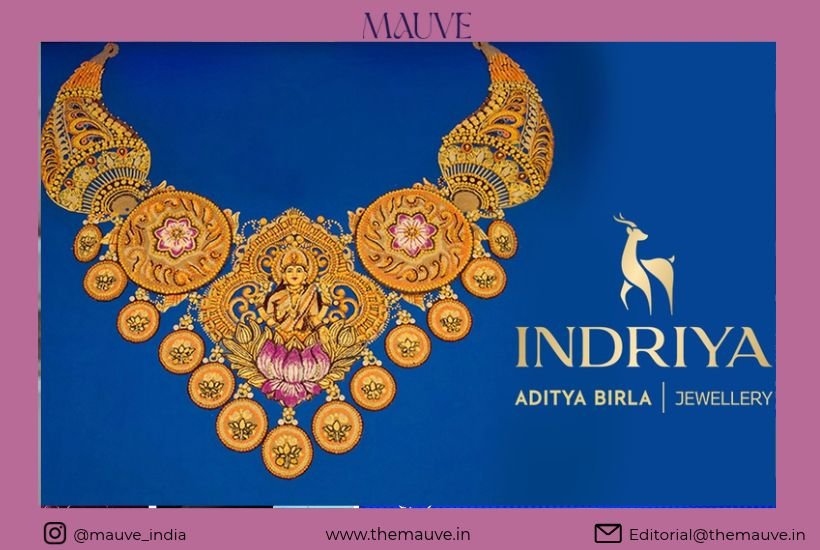
At the heart of the installation is Padmika, a 22-karat gold necklace that celebrates the revival of Gulabi Meenakari, a distinctive pink enamel craft. Featuring intricate nakshi floral detailing and the auspicious motif of Goddess Lakshmi seated on a lotus, the design evokes prosperity, abundance and new beginnings.
Translating the necklace into Rangavalli required a different interpretation of its intricate detailing. Grains, rice, millets and seeds became the artistic medium, with thousands of individual elements coming together to recreate the patterns and motifs of the original jewellery design.
The result draws a compelling parallel between two art forms that demand patience, precision and an appreciation for detail. Just as master artisans bring together gold, enamel and intricate ornamentation to create a necklace, Rangavalli artists transform simple materials into elaborate compositions through careful placement and technique.
By reimagining Padmika on such a large scale, Indriya places the artistry behind its jewellery within a broader cultural context, allowing visitors to experience the design beyond its original form.
A celebration rooted in tradition
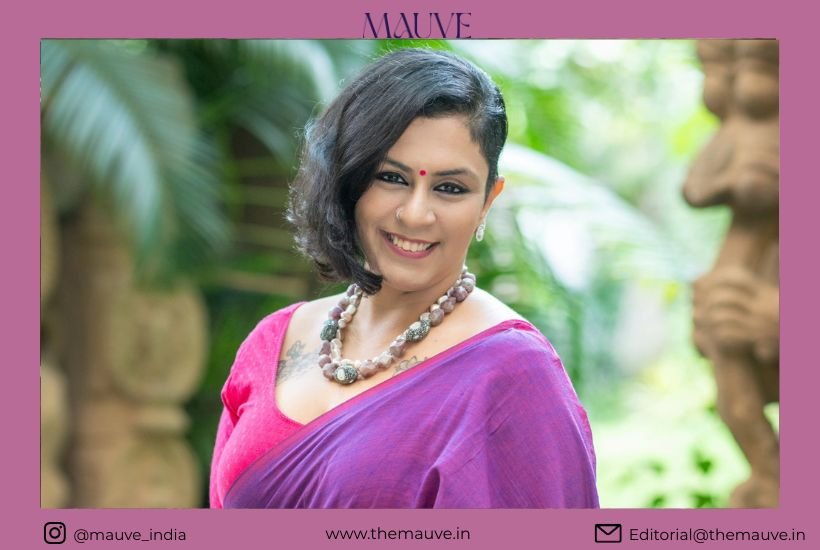
The installation was created with the expertise of Shikha Sharma, popularly known as the “3D Rangoli Queen”, who is recognised for her large-scale Rangoli artworks.
Rangavalli, a traditional art form practised across South India, is closely associated with auspicious occasions, festive gatherings and the welcoming of prosperity. By drawing inspiration from this tradition, Indriya connects its jewellery craftsmanship with a cultural practice that continues to hold meaning across generations.
The choice of materials adds another layer to the narrative. Grains and seeds have long featured in traditional floor-art practices, reflecting the relationship between art, nature and everyday life. Their use in the installation reinforces the idea that cultural expression need not be separated from the materials and traditions that surround it.
Visitors at the mall and temple were also invited to participate in bringing the artwork to life, turning the installation into a shared experience rather than a purely visual display.
When sustainability becomes part of the story
Beyond its scale, the initiative places particular emphasis on what happens after the festivities conclude. Following Vijayadashami, the rice, millets and seeds used in the artwork were to be responsibly repurposed through feeding drives for birds and animals in partnership with Akhil Karnataka Prani Daya Sangh Gaushala.
This approach extends the installation’s purpose beyond its immediate visual impact, linking the temporary nature of festive art with a practical effort to minimise waste.
Speaking about the initiative, Shantiswarup Panda, Head of Marketing and Visual Merchandising at Indriya, said, “At Indriya, our endeavour is to celebrate India’s rich cultural heritage through meaningful and contemporary expressions. The Jewellery Rangavalli is an extension of that vision, reimagining an iconic Padmika design through a beloved festive tradition that resonates deeply with our audiences. As a brand inspired by culture and craftsmanship, we wanted to create an experience that not only showcases the artistry behind our jewellery but also invites consumers to engage with it in a memorable and immersive way. Through this initiative, we celebrate heritage, craftsmanship and the spirit of togetherness that lies at the heart of Vijayadashami.”
For a jewellery brand whose identity is rooted in Indian craftsmanship, the activation offers an opportunity to communicate its design philosophy through a medium that is both culturally familiar and visually distinctive.
Inside Ogilvy’s creative thinking
For Ogilvy, the idea emerged from the cultural connection between Rangavalli and the materials used to create it, particularly the tradition of using grains that can subsequently be consumed by birds and animals.
Tanuja Bhat, Senior Executive Creative Director and Creative Head – Beauty and Luxury (West), Ogilvy, said, “Rangavalli is a beautiful South Indian tradition of transforming simple materials into intricate art, with rice flour and grains long part of its practice. And the most beautiful part – the grains are consumed by birds and animals to complete the circle. We wanted to honour that cultural connection by reimagining it at a larger scale—as an intricate Indriya jewellery necklace created from grains. By inviting visitors at the mall and temple to help bring it to life, we’re making the artwork a shared celebration of the craft behind our festive collection range. All the grains used will be donated to an NGO, making sure that nothing goes to waste.”
The collaboration brings together the visual language of luxury jewellery and the participatory character of traditional art, allowing the brand’s festive collection to become the starting point for a larger cultural expression.
Bringing the Rangavalli home
The celebration also extends beyond Bengaluru through the Indriya Rangavalli contest, which invites consumers to recreate the Padmika-inspired artwork in their own homes.
Through a special stencil distributed via print innovations and promotional kits, participants can create their own Rangavalli using colours, grains or grain powder and share their entries with Indriya through social media or WhatsApp.
As part of the initiative, 100 lucky winners stand a chance to receive a 200-milligram 22-karat gold coin, adding a tangible reward to an activity centred on creativity, tradition and festive participation.
The contest also extends the campaign’s central idea: that heritage is not simply something to observe, but something people can reinterpret and carry forward through their own expressions.
A new expression of Indian craftsmanship
Launched in July 2024, Indriya represents the Aditya Birla Group’s entry into India’s jewellery market, with a portfolio spanning diamonds, precious gemstones and artisanal gold. The brand draws on India’s craft traditions while presenting jewellery as an expression of personal identity, celebration and design.
The Jewellery Rangavalli builds on that positioning through an experience that moves beyond the retail environment. By transforming a necklace into a large-scale artwork made from natural materials, Indriya creates a meeting point between traditional craftsmanship, contemporary brand storytelling and community participation.
The installation’s most compelling idea lies in this transformation: jewellery becomes art, art becomes a collective celebration, and the materials used to create it find a purpose beyond the festival itself.
In a season defined by light, abundance and new beginnings, Indriya’s Rangavalli offers a reminder that the beauty of tradition lies not only in preserving its forms, but also in finding new ways to bring them to life.