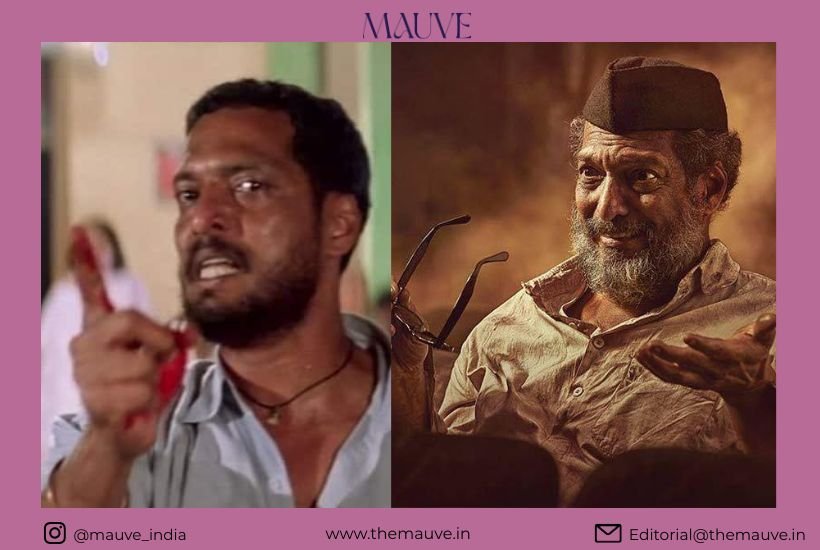
In an industry that spent decades teaching us that style meant polish, labels and spectacle, Nana Patekar offered another definition: clothes with character, faces with stories and a wardrobe that never tried too hard.
There are actors who dress well.
And then there are actors who make not dressing for attention look like a style philosophy.
Nana Patekar belonged firmly to the second category.
For almost five decades, he occupied a peculiar space in Indian cinema. He could walk into a frame in a worn shirt and command more attention than a room full of perfectly styled stars. He could wear a simple kurta, a gamcha or an old-school suit and somehow make the clothes feel secondary to the person wearing them.
Today, as we look back at his career and public persona, his aesthetic feels almost radical.
Not because it was fashionable.
Because it wasn’t trying to be.
Nana Patekar passed away on October 8, 2026, aged 75, leaving behind one of Indian cinema’s most distinctive bodies of work.
And perhaps the most fitting way to remember his visual legacy is to look at the 11 times he showed us that real style has very little to do with looking expensive.
01. The Art of Looking Like You Don’t Care
There is a particular kind of cool that cannot be styled.
It comes from someone who simply doesn’t seem interested in whether you approve.
Nana had it.
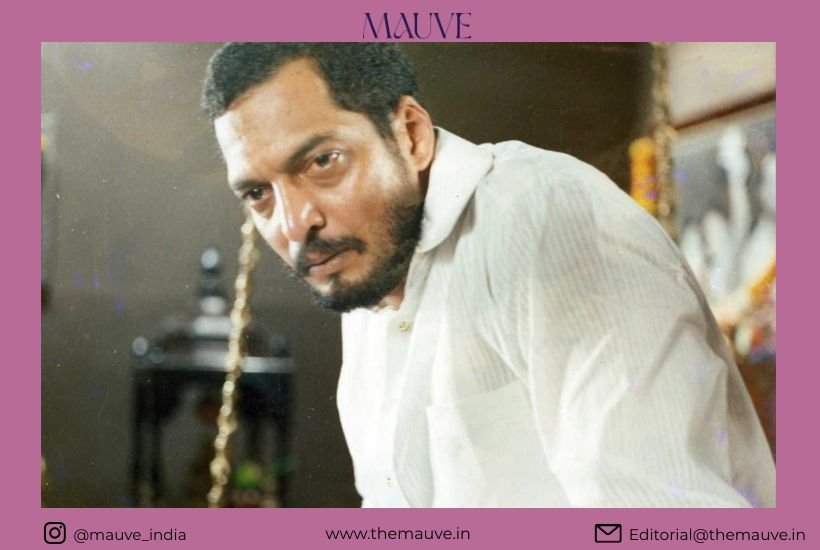
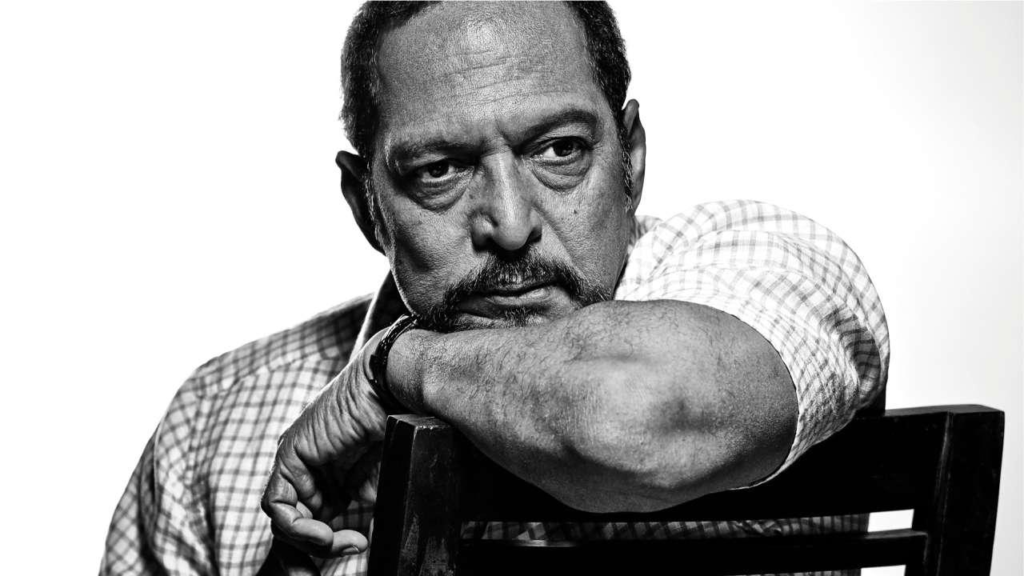
His photographs rarely feel constructed in the way contemporary celebrity portraits do. The expressions are often severe, the clothes practical, the hair uncomplicated.
And yet, somehow, the image works.
Perhaps because the aesthetic isn’t coming from the clothes.
It is coming from conviction.
02. The White Kurta Was Never Just a White Kurta
9
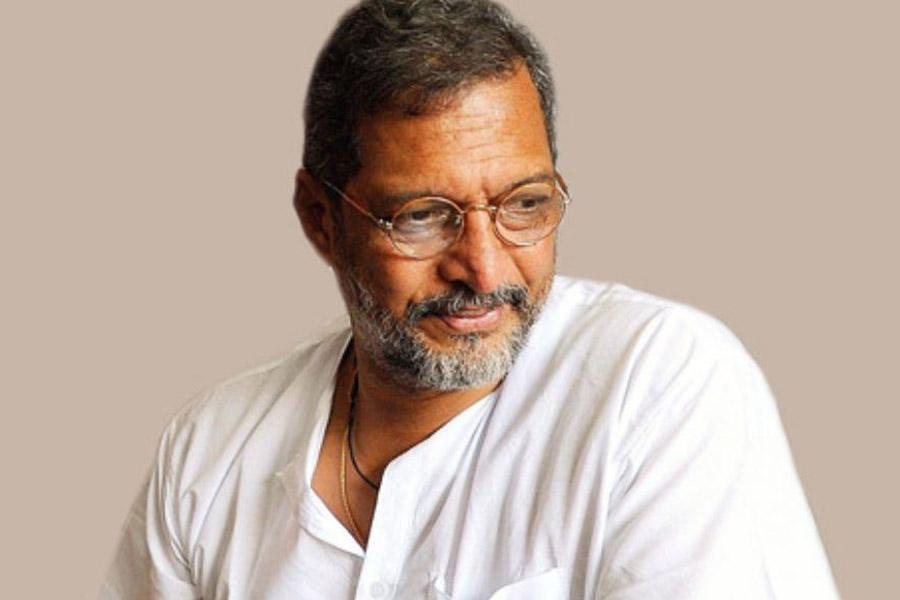
Long before quiet luxury became an Instagram vocabulary, Nana was already doing something far more authentic: wearing clothes that belonged to his life.
Khadi kurtas, simple pyjamas, earthy colours, gamchas and sandals became part of his recognisable wardrobe.
His relationship with khadi was particularly personal. He once described it as being among the most expensive clothes because of the labour involved in making and maintaining it.
That changes the way you look at the outfit.
It isn’t minimalism for the sake of aesthetics.
It is identity translated into clothing.
03. The Suit, Without the Corporate Performance
6
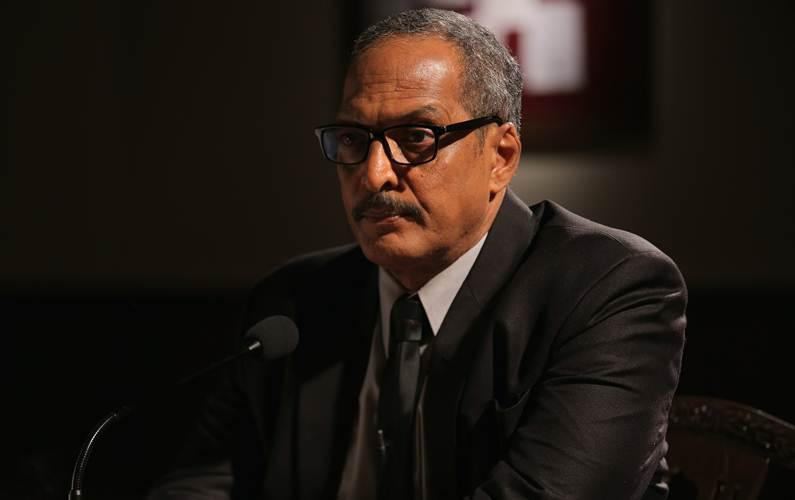
There is something wonderfully old-school about Nana in a suit.
The tailoring is often straightforward. The shirt is buttoned. The tie is understated. The glasses do the rest.
No oversized designer monogram.
No statement jewellery.
No carefully engineered “power look”.
Just a man in a suit.
And somehow, that restraint makes the photograph feel more expensive.
It is the kind of dressing that reminds us that good tailoring doesn’t need to announce itself.
04. The Face Was the Accessory
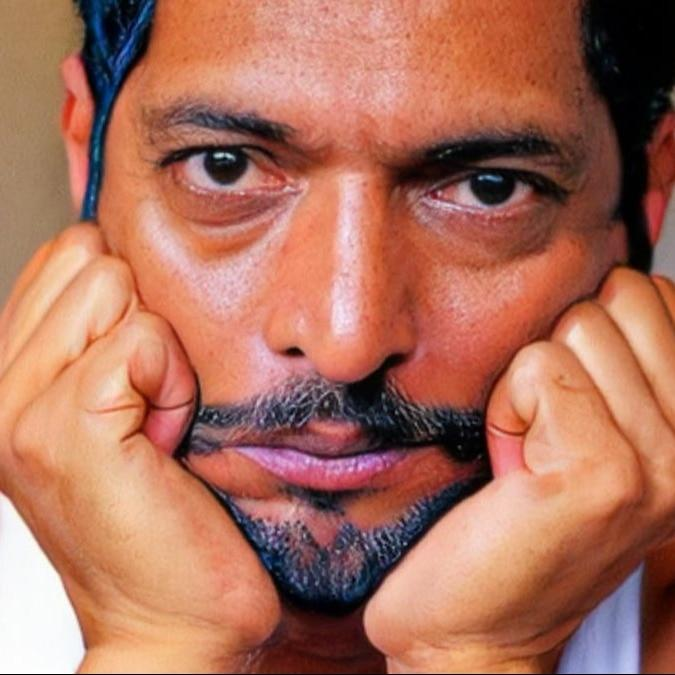
Nana understood something that fashion campaigns occasionally forget:
A strong face doesn’t need decoration.
His eyes carried anger, humour, exhaustion, suspicion and vulnerability without requiring a change of costume.
This became particularly powerful in his serious films, where his performances depended heavily on expressions, body language and pauses.
The result?
Even the simplest frame could become a portrait.
05. The Vest Wasn’t a Trend. It Was Character.
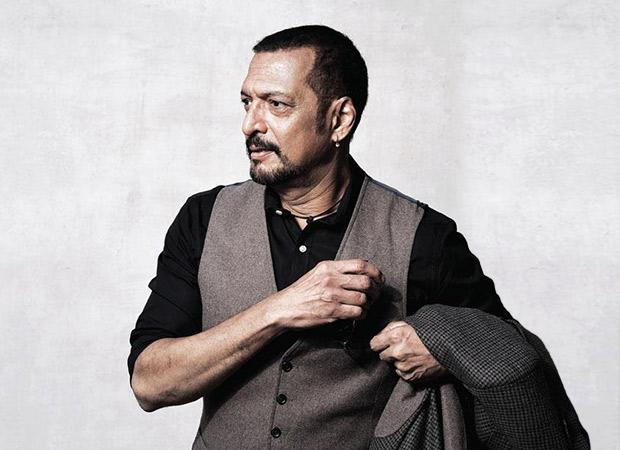
Black shirt.
Grey waistcoat.
Trousers.
A pair of glasses.
It sounds almost aggressively simple.
But on Nana, this combination became part of a visual vocabulary: rugged, intellectual, slightly intimidating and completely unbothered.
It is also proof that a recognisable personal style doesn’t require hundreds of outfits.
Sometimes you just need a uniform that feels like you.
06. The Vintage Photograph That Still Feels Current
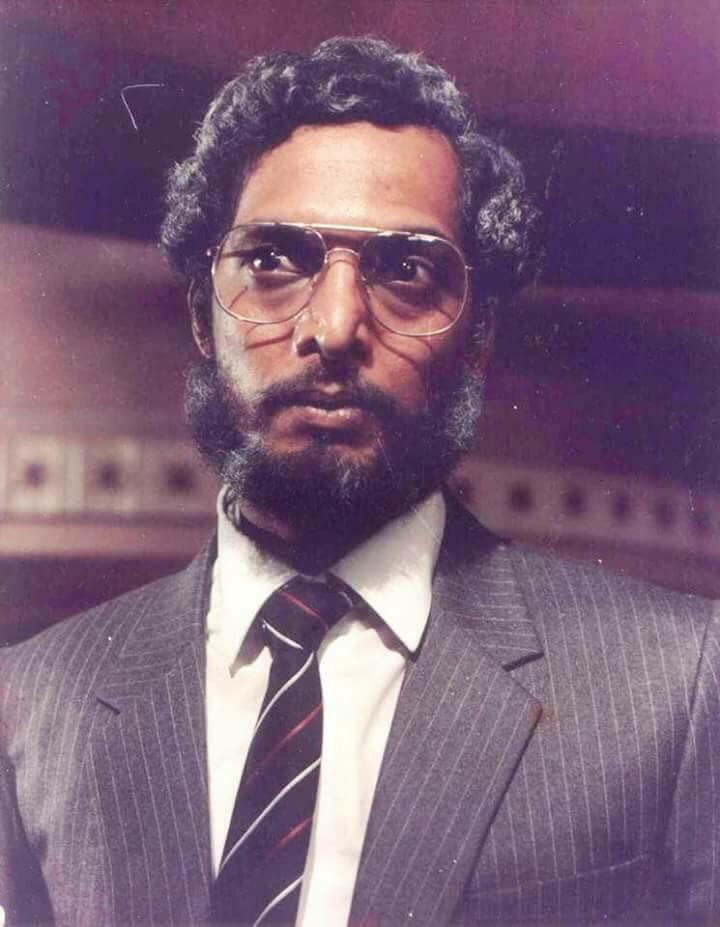
Look at young Nana and there is none of the polished celebrity machinery we associate with today’s portraits.
The hair is natural.
The clothes are ordinary.
The photographs are imperfect.
And that imperfection is precisely what makes them beautiful now.
In an era of hyper-edited faces and algorithm-approved aesthetics, old photographs of Nana have acquired something increasingly rare:
texture.
07. He Made Earthy Dressing Look Sophisticated
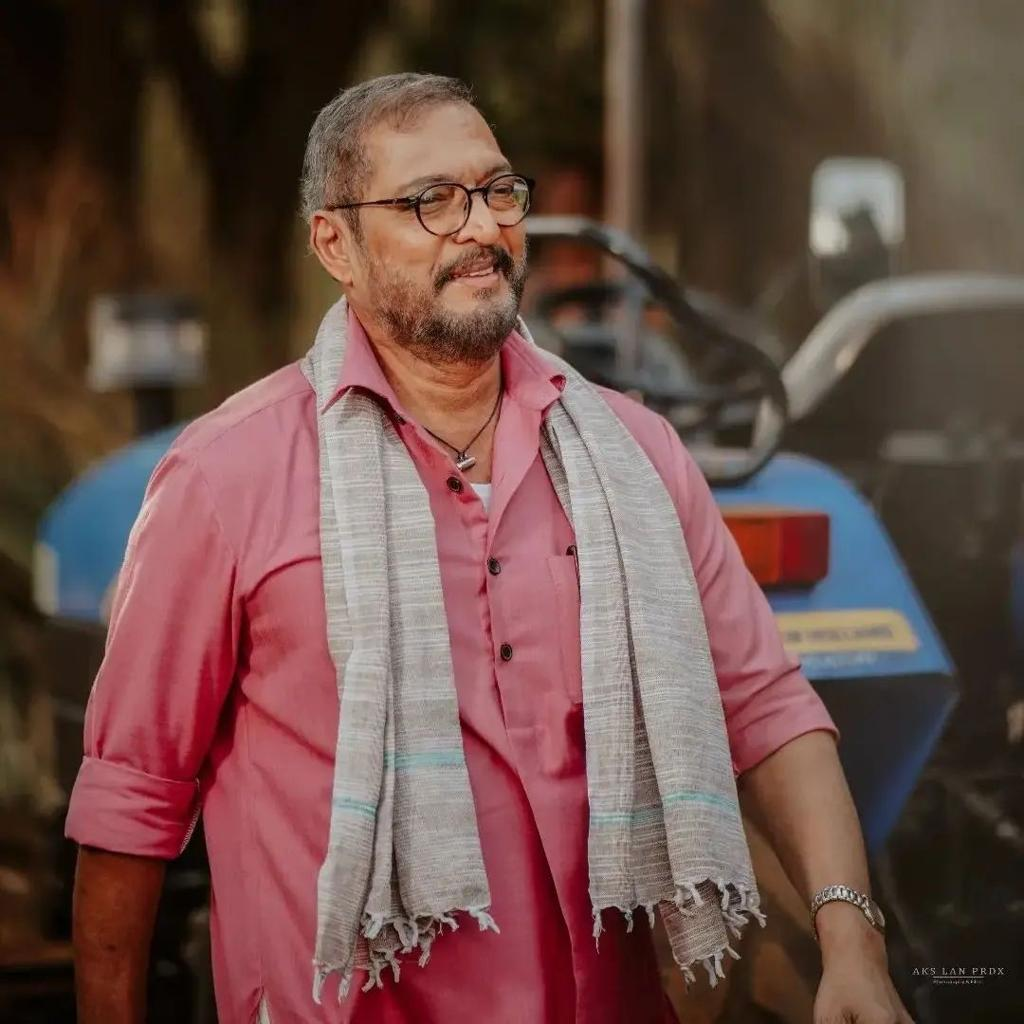
Perhaps Nana’s greatest style lesson was that earthy doesn’t mean unsophisticated.
As his connection with rural Maharashtra deepened, his wardrobe increasingly reflected that world — khadi, cotton, traditional silhouettes and the humble gamcha. His farming life was not simply an aesthetic exercise; he was deeply involved with rural communities and farmer-related work through Naam Foundation.
The clothes therefore had context.
And context is what turns an outfit into personal style.
08. The Glasses
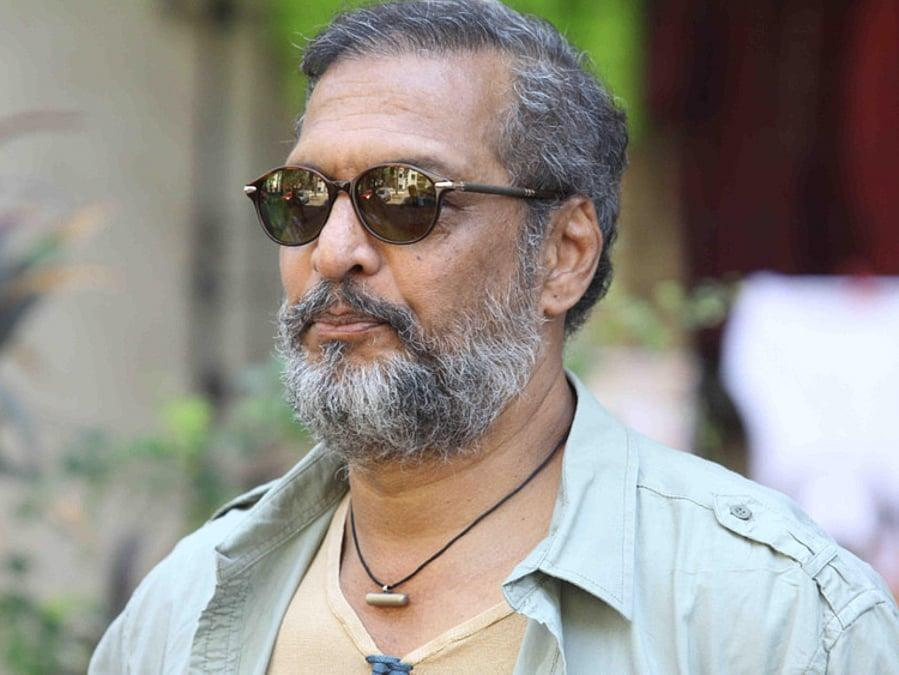
If there was ever an argument for the power of one accessory, it is Nana’s glasses.
Whether intellectual, severe, slightly eccentric or completely practical, eyewear became an extension of his face rather than a fashion statement.
He didn’t need a collection of accessories.
He needed one thing that became his.
09. The Cinema Was His Biggest Styling Exercise
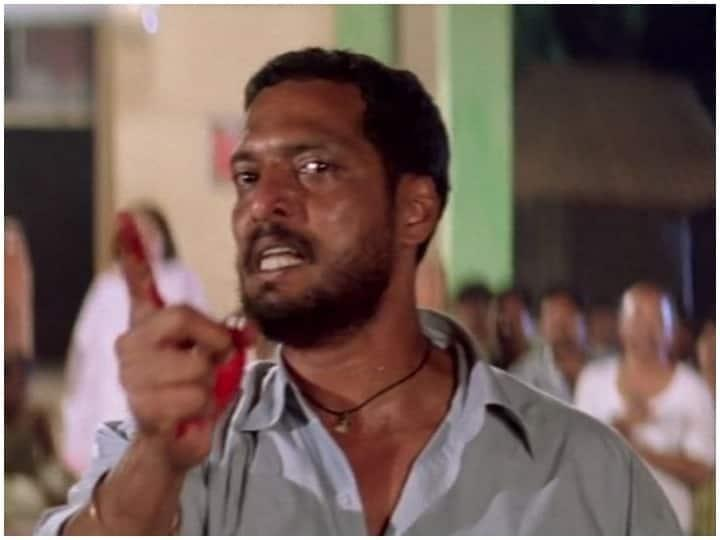
10
Perhaps the biggest misconception about Nana’s aesthetics is that they existed only off-screen.
They didn’t.
His filmography was filled with characters whose clothing was an extension of their psychology — from the chilling world of Parinda to the politically charged Krantiveer, the unsettling Agni Sakshi and the deeply emotional Natsamrat.
He won three National Film Awards across Parinda, Krantiveer and Agni Sakshi, roles that demanded radically different performances.
The clothes changed.
The presence didn’t.
10. He Made Imperfection Photogenic
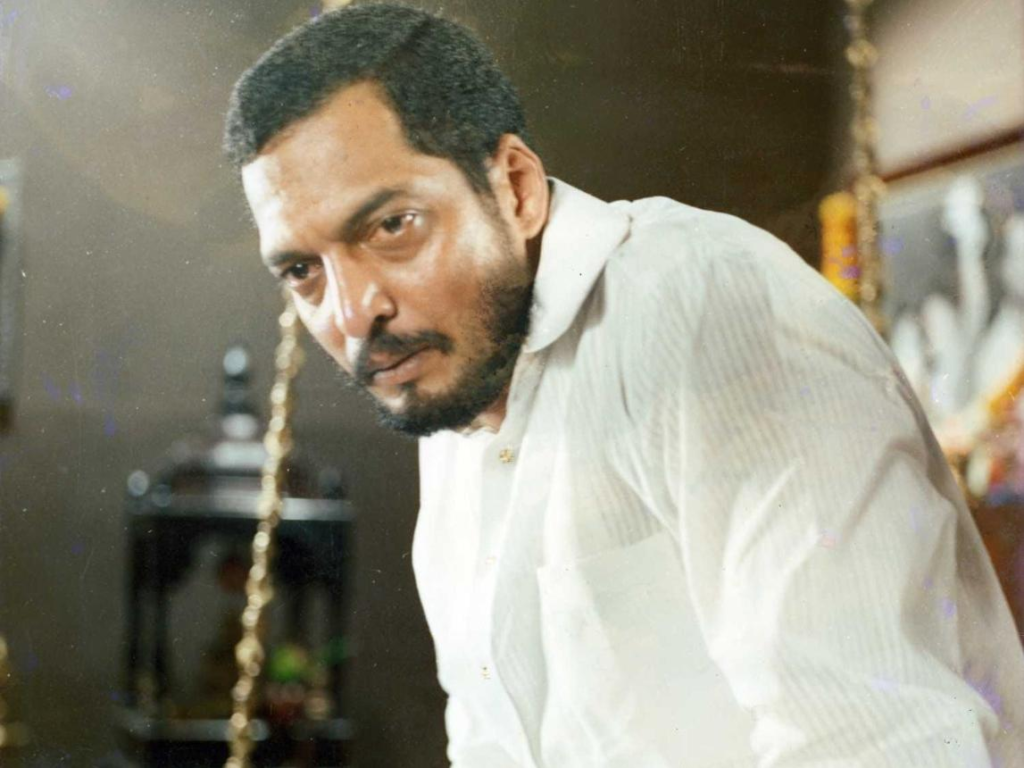
15
There is a certain rawness to Nana’s photographs.
A crease isn’t corrected.
A shirt isn’t necessarily perfectly pressed.
A beard doesn’t always look freshly groomed.
The expression doesn’t always say camera-ready.
And that is precisely why the images feel alive.
Today, when “effortless” itself has become something meticulously manufactured, Nana’s photographs offer a different kind of effortless:
the kind that happens when nobody is performing effortless.
11. The Ultimate Aesthetic: Being Completely Yourself
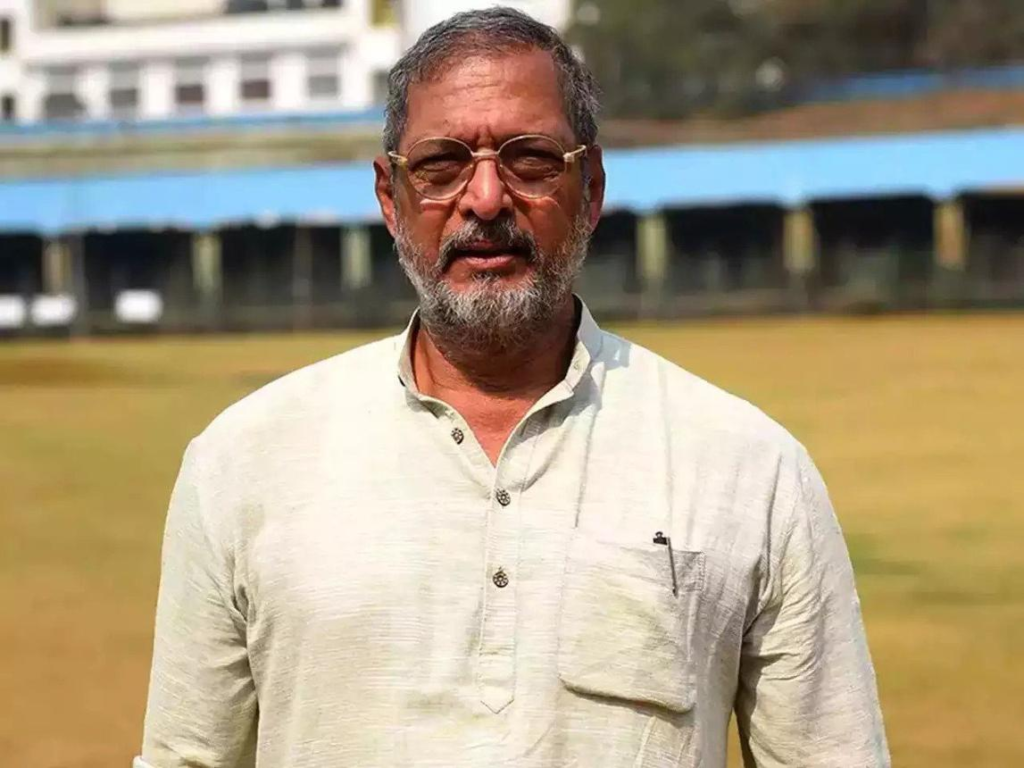
This might be the most important lesson of all.
Nana never seemed interested in becoming a fashion personality.
He became something more difficult:
a person with a recognisable visual identity.
He could wear khadi because he believed in it. He could wear a suit without turning it into a performance. He could appear in a simple shirt and trousers and still be unmistakably Nana Patekar.
His wardrobe evolved.
His face aged.
His roles changed.
But the underlying aesthetic stayed remarkably consistent: simplicity, substance and character.
And perhaps that is why, decades later, his photographs still feel relevant.
Because Real Aesthetics Were Never About Looking Expensive
The fashion industry has spent years teaching us to chase the new.
New silhouettes.
New labels.
New aesthetics.
New “cores”.
New ways to look effortless.
Nana Patekar quietly represented the opposite.
His style was not about acquiring the right things.
It was about knowing what belonged to you.
A white kurta.
A gamcha.
A pair of glasses.
A well-worn shirt.
A simple suit.
And the confidence to let the person wearing them do the talking.
That is perhaps the most enduring lesson in his aesthetic legacy:
Style isn’t always what you put on. Sometimes, it is what you refuse to perform.
And Nana Patekar never needed to dress like a star to look like one.
Mauve Take: In an era obsessed with quiet luxury, Nana’s wardrobe offers something even quieter — quiet identity.